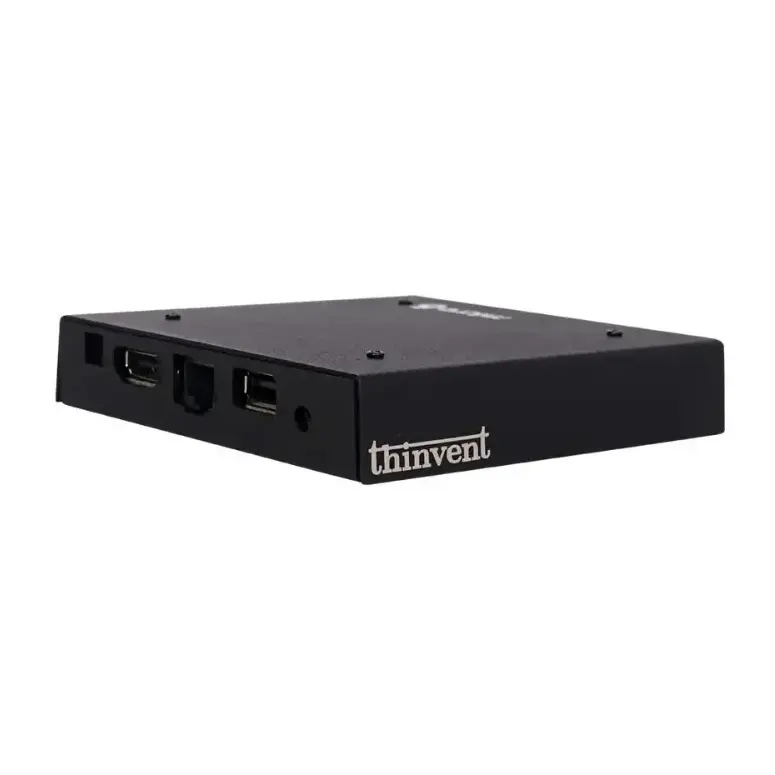
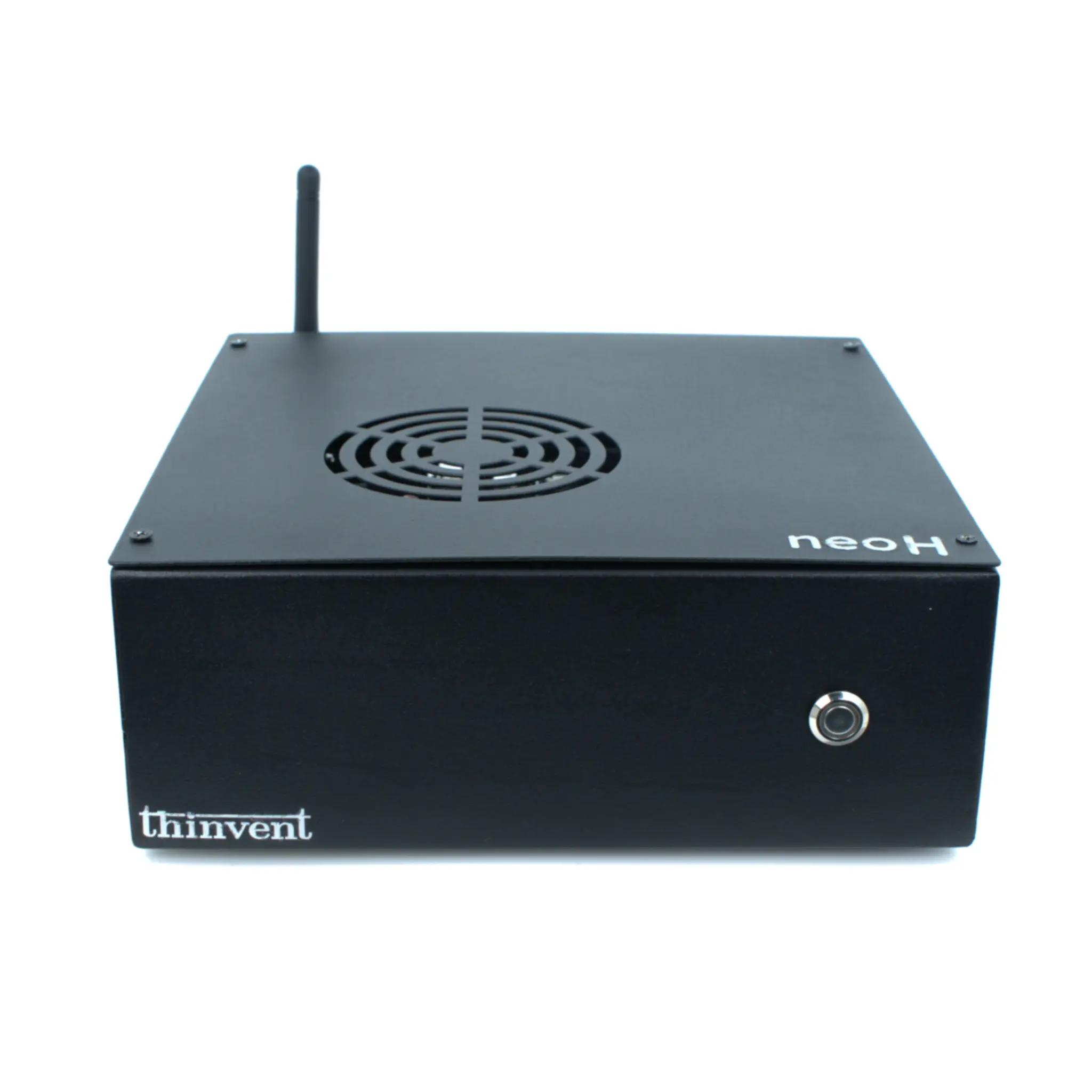
What is a Fanless Computer?
A Fanless Computer, often abbreviated as an "FP Computer," is a specialized industrial computing system designed to operate without any internal moving cooling fans. Instead, it relies on passive cooling techniques, such as advanced heat sinks and chassis designs that dissipate heat through conduction and convection. This fundamental design choice makes these systems exceptionally reliable and suitable for demanding environments where dust, debris, vibration, or noise are significant concerns.
Key Specifications and Technical Advantages
The core technical specifications of fanless computers are engineered for durability and consistent performance. They typically feature low-power, high-efficiency processors from Intel's N-series or Celeron lines, which generate minimal heat. Common configurations include 4 to 12 CPU cores, 8GB to 64GB of RAM, and solid-state storage from 128GB to 1TB. The absence of fans eliminates a common point of failure, leading to higher Mean Time Between Failures (MTBF). These systems are also characterized by wide operating temperature ranges (often from -20°C to 70°C), support for DC power input (e.g., 9-36V), and robust I/O connectivity including multiple Gigabit Ethernet ports, USB 3.2, and display outputs.
Primary Use Cases and Applications
Fanless computers are indispensable in industrial and commercial settings where reliability is paramount. Key applications include:
-
Industrial Automation: Serving as PLCs, HMIs, and machine vision controllers on factory floors.
-
Digital Signage & Kiosks: Powering displays in retail, transportation hubs, and public spaces, often in 24/7 operation.
-
Edge Computing & IoT Gateways: Collecting and processing data from sensors in field deployments like agriculture, oil & gas, and smart cities.
-
Transportation: Used in railway, maritime, and vehicle systems where vibration resistance is critical.
-
Clean Environments: Ideal for laboratories, medical facilities, and food processing plants where fan-induced contamination is unacceptable.
Comparison: Fanless vs. Traditional Fan-Cooled PCs
| Feature | Fanless Industrial Computer | Traditional Fan-Cooled Desktop |
|---|---|---|
| Cooling Method | Passive (Heat sinks, chassis) | Active (Fans) |
| Dust & Debris Resistance | Excellent (Sealed design) | Poor (Vents allow ingress) |
| Acoustic Noise | Silent (0 dB from fan) | Audible (Fan noise present) |
| Mechanical Failure Points | Fewer (No moving parts in cooling) | More (Fans can fail) |
| Typical Operating Temp Range | Wider (e.g., -20°C to 70°C) | Narrower (e.g., 5°C to 40°C) |
| Ideal Environment | Harsh, dusty, vibration-prone | Clean, climate-controlled office |
Thinvent Fanless Computer Solutions
Thinvent offers a comprehensive range of robust fanless computers designed for mission-critical operations. Our product lines, such as the Aero Mini PC series, exemplify the core principles of fanless design. They integrate efficient Intel processors, ample memory and storage options, and a variety of operating system choices—from Windows 11 and Ubuntu Linux to embedded platforms—to provide a tailored solution for any application. Built with industrial-grade components, Thinvent fanless PCs deliver the silent, reliable, and maintenance-free performance required for the most challenging deployments worldwide.