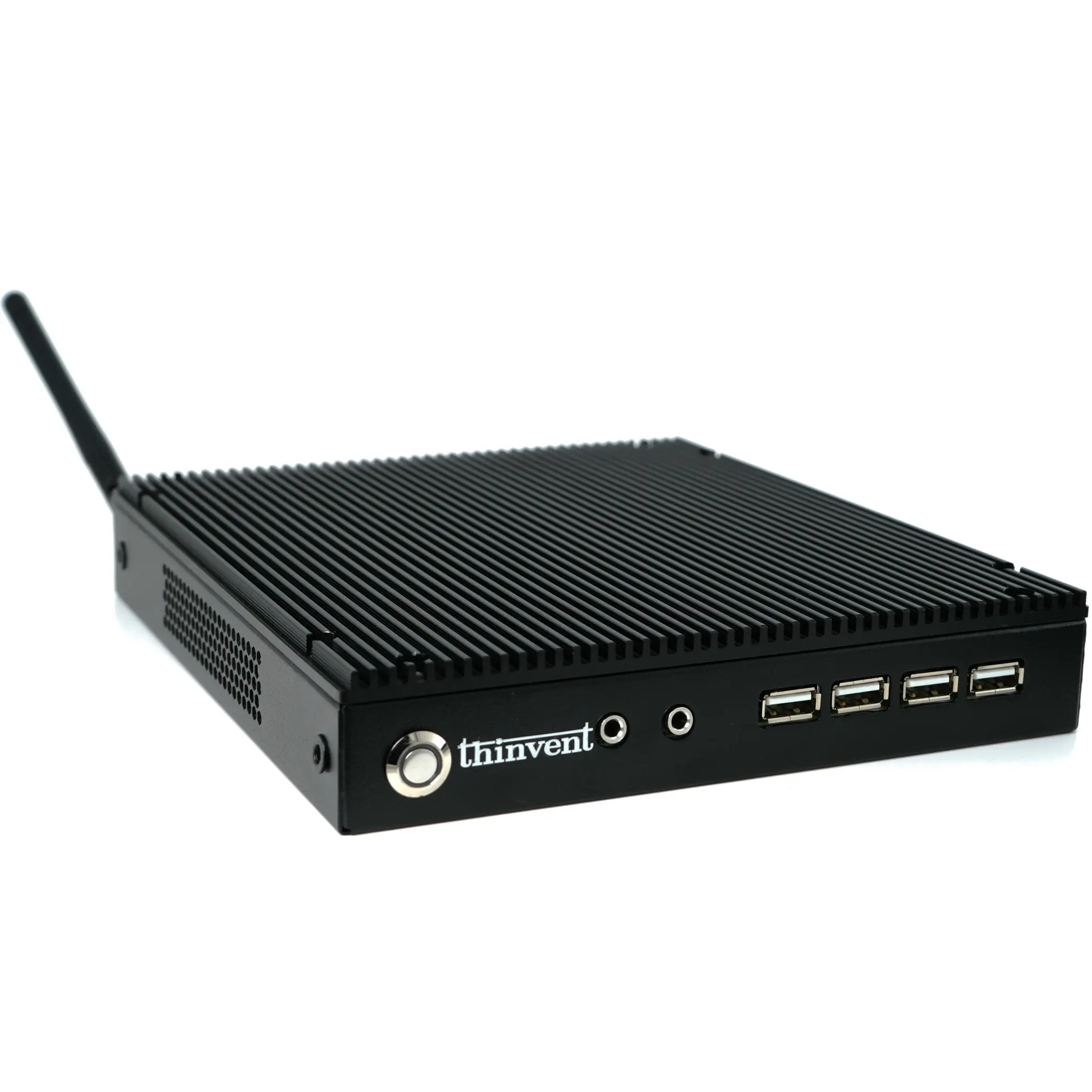
Understanding the Fujitsu ICL VME Computer
The Fujitsu ICL VME (Virtual Machine Environment) computer was a significant mainframe platform, originally developed by ICL (International Computers Limited) and later supported by Fujitsu. It was widely used in enterprise, government, and industrial applications throughout the 1980s and 1990s, known for its robust transaction processing, high reliability, and support for legacy applications. These systems typically operated in climate-controlled data centers and required substantial power and physical space.
Many organizations still depend on applications and data originally running on VME hardware. However, maintaining these aging systems becomes increasingly challenging due to spare parts scarcity, rising energy costs, and lack of modern connectivity (e.g., Ethernet, USB). Upgrading to a modern, compact, and energy-efficient platform can preserve operational continuity while dramatically reducing total cost of ownership.
Key Considerations for Replacing a Fujitsu ICL VME System
When replacing a legacy VME system, the primary requirements often include reliability, long-term availability, silent operation, and compatibility with modern peripherals. Modern mini PCs and industrial computers offer fanless designs, low power consumption (12‑15W typical), and small footprints that fit into existing racks or deskside environments. They also support a wide range of operating systems including Windows, Linux, and embedded OS options, making them suitable for re-hosting legacy applications via emulation or virtualization.
Typical specifications for a replacement unit should include a capable multi-core processor (e.g., Intel® N100, 4 cores), at least 16GB RAM for virtualized workloads, fast SSD storage, and multiple USB/Ethernet ports for connecting to legacy terminals or industrial controllers. The absence of moving parts in fanless PCs ensures dust resistance and long‑life operation, ideal for 24/7 use in factory floors or server rooms.
Use Cases for Modern Replacement
-
Legacy Application Hosting: Run VME emulators or containerized legacy software on a compact mini PC.
-
Industrial Control & Data Acquisition: Replace bulky VME cabinets with a fanless industrial
Thinvent Alternatives to Fujitsu
| Specification | Fujitsu ICL VME Computer | Thinvent Aero Mini PC |
|---|---|---|
| Processor | ICL Series 39 (proprietary) | Intel N100 (4 core, up to 3.4 GHz) |
| Cores/Threads | 1 core / 1 thread | 4 cores / 4 threads |
| RAM (max) | Up to 64 MB | 16 GB (DDR4) |
| Storage | Magnetic disk packs / tape | 128 GB SSD |
| Form Factor | Mainframe cabinet | Mini PC (12 x 12 x 4 cm) |
View these products:
The Thinvent Aero Mini PC is a modern, compact computing platform that offers a significant leap in processing power, memory, and storage density compared to the ICL VME mainframe. While the ICL VME was designed for large-scale enterprise workloads in its era, the Thinvent Mini PC delivers comparable capability in a fraction of the physical footprint, making it a strong current-day alternative for applications that no longer require dedicated mainframe hardware.