What Makes a Good Desktop for Graphic Design?
A good desktop for graphic design requires a balance of processing power, ample memory, fast storage, and reliable graphics capabilities. Unlike general-purpose computers, design workstations must handle complex vector graphics, high-resolution raster images, and multi-layered compositions without lag. Key specifications include a modern multi-core processor (Intel Core i5/i7 or equivalent), a minimum of 16GB RAM (32GB+ recommended for professional work), a fast NVMe SSD for quick file access and application loading, and robust connectivity for multiple high-resolution monitors. A dedicated GPU is often beneficial for rendering and 3D work, though modern integrated graphics from Intel's latest generations can handle 2D design tasks efficiently.
Key Specifications and Technical Requirements
For professional graphic design, prioritize these components:
-
Processor: Multi-core CPUs (6 cores or more) from Intel's Core i5, i7, or i9 series (12th Gen or newer) provide the necessary horsepower for applications like Adobe Photoshop, Illustrator, and InDesign.
-
Memory (RAM): 16GB is the baseline; 32GB or 64GB is ideal for working with large files, multiple applications, or complex compositions.
-
Storage: A 512GB or 1TB NVMe SSD ensures fast boot times, quick application launches, and snappy file operations. A secondary HDD or larger SSD can be used for asset libraries.
-
Graphics: While a dedicated GPU (discrete graphics card) accelerates 3D rendering and video effects, modern Intel Iris Xe or UHD Graphics integrated into Core processors are sufficient for most 2D design, UI/UX work, and digital illustration.
-
Connectivity: Multiple display outputs (HDMI, DisplayPort, USB-C with DP Alt Mode) are essential for a multi-monitor setup. Ample USB 3.2/Thunderbolt ports are needed for peripherals like drawing tablets and external drives.
Use Cases and Applications
The right desktop empowers various design disciplines:
-
Digital Illustration & UI/UX Design: Requires precise color accuracy, smooth brush rendering, and efficient handling of numerous artboards.
-
Print & Publication Design: Demands systems capable of managing high-resolution images and complex page layouts for magazines, brochures, and packaging.
-
Branding & Logo Design: Often involves working with vector graphics, requiring a CPU that excels in single-threaded performance for smooth manipulation of bezier curves.
-
Motion Graphics (Basic): For entry-level motion design or editing, a capable multi-core processor and sufficient RAM are key for previewing animations without dropped frames.
Recommended System Comparison
| Design Workload | Recommended CPU Series | Minimum RAM | Recommended Storage | Graphics Priority |
|---|---|---|---|---|
| Freelance / Student | Intel Core i5 | 16 GB | 512 GB SSD | Integrated (Intel UHD/Iris Xe) |
| Professional Agency | Intel Core i7 / i9 | 32 GB | 1 TB NVMe SSD | Dedicated GPU Recommended |
| Production / Heavy Multitasking | Intel Core i9 | 64 GB | 1 TB+ NVMe SSD | Dedicated GPU Required |
Thinvent Solutions for Graphic Design
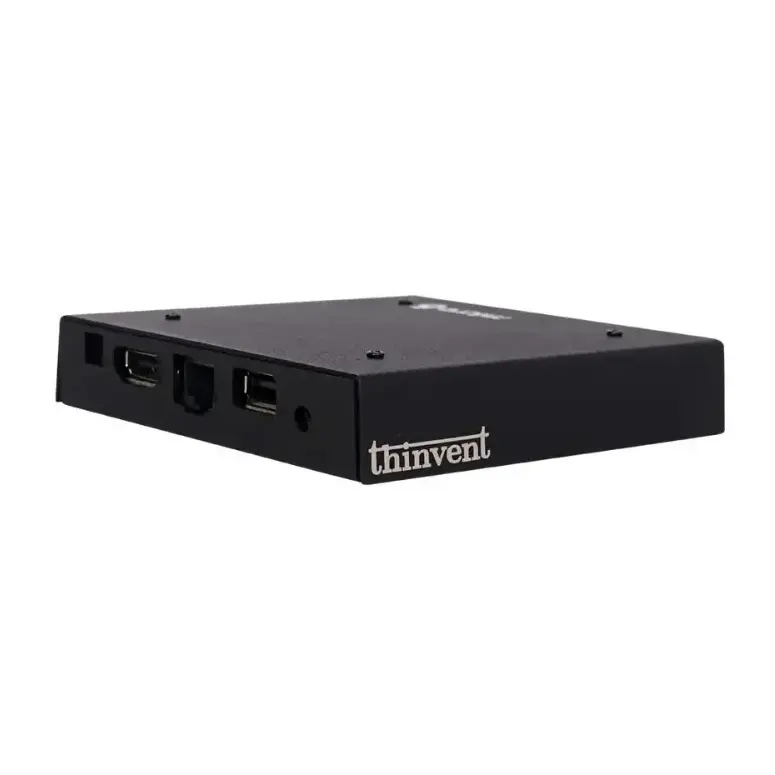
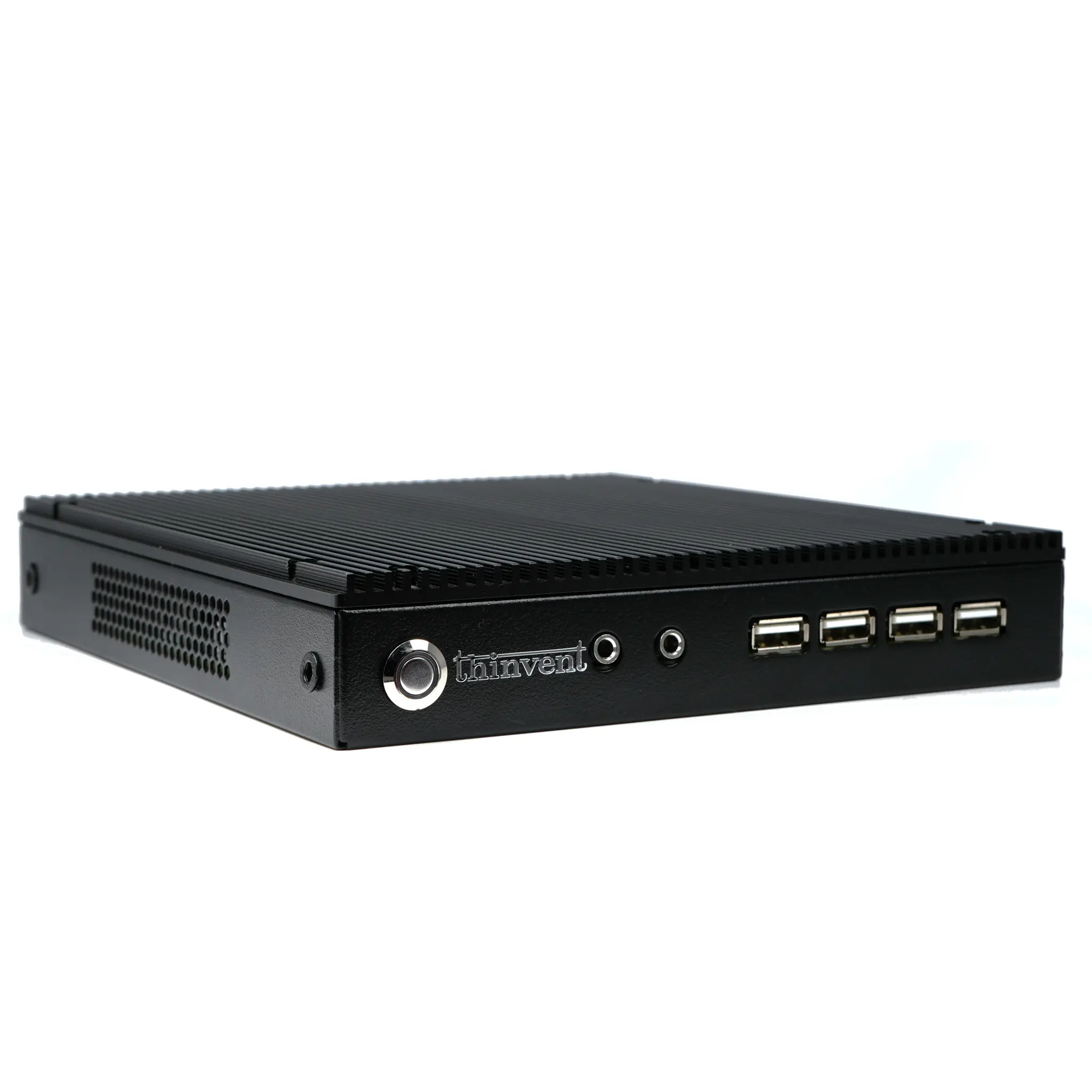
Thinvent offers a range of industrial-grade computing solutions that provide the stability and performance required for demanding creative work. Our compact and fanless industrial PCs, powered by the latest Intel Core processors, deliver reliable, silent operation perfect for focused studio environments. With configurations supporting up to 64GB of RAM and high-speed NVMe storage, Thinvent systems are engineered for longevity and consistent performance under continuous load, making them a robust choice for professional designers who value reliability alongside power. Explore our product lines to find a workstation that fits your specific creative workflow and technical requirements.