What Is a Green VDI Box?
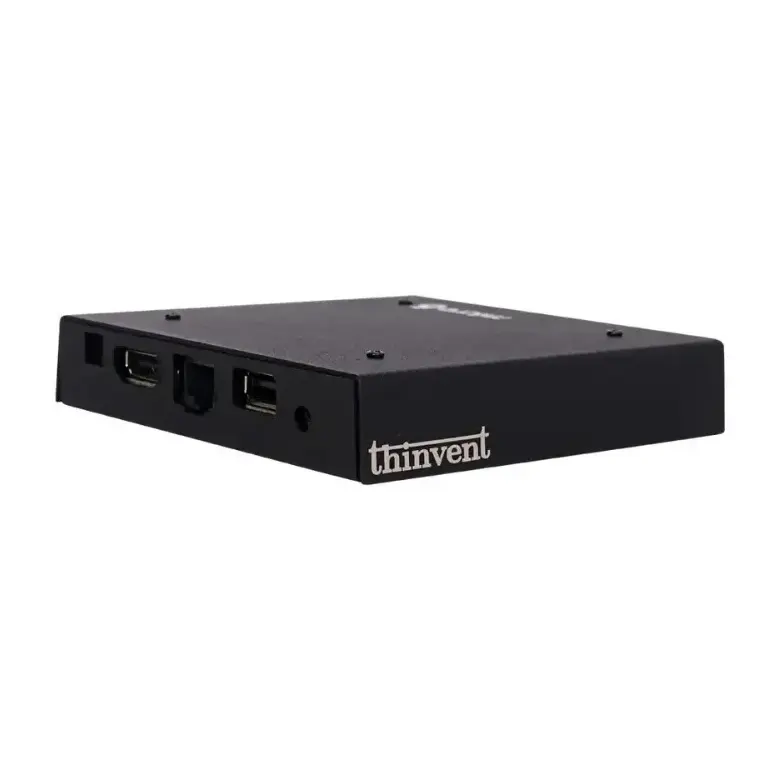
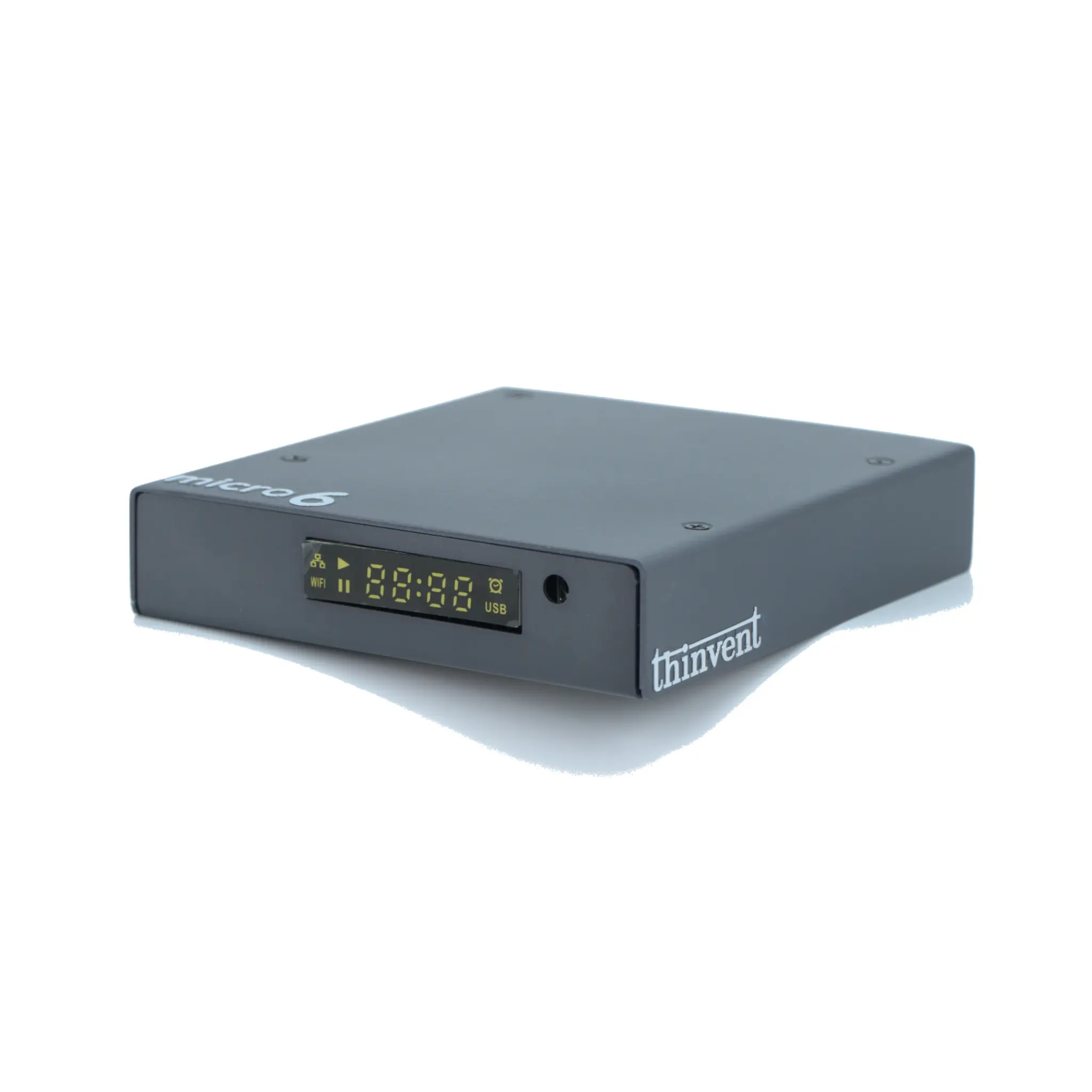
A green VDI box is an energy-efficient endpoint device built for Virtual Desktop Infrastructure (VDI) deployments. Instead of running a full operating system and applications locally on power-hungry desktop PCs, a VDI terminal connects to a centralized server or cloud environment where the actual computing happens. The endpoint simply displays the session and relays keyboard, mouse and peripheral input. Because the heavy processing lives in the data center, the desktop device itself can use a low-power processor, draw only a few watts, and run cool and silently — often with fanless cooling and no moving parts.
This architecture is what makes VDI genuinely "green." A traditional desktop PC may consume 100–200 watts per seat, while a thin VDI endpoint typically draws well under 15 watts. Across hundreds or thousands of desks, that difference compounds into substantially lower electricity bills, reduced cooling load, and a smaller carbon footprint. Fewer moving parts also mean longer service life and less electronic waste, since endpoints can often stay in service across multiple server refresh cycles.
Why Energy Efficiency Matters in VDI
Sustainability and cost efficiency now go hand in hand in enterprise IT. Data centers and office estates are under pressure to cut energy use, and endpoint power draw is a meaningful part of that equation. Green VDI terminals help in four practical ways:
-
Lower per-seat power consumption — fanless, low-wattage designs reduce both direct energy use and the air-conditioning burden.
-
Longer hardware lifespan — solid-state storage and no fans or spinning disks mean fewer failures and less frequent replacement.
-
Centralized management — IT teams patch, update and secure one server image rather than thousands of desktops, cutting travel, downtime and operational waste.
-
Reduced e-waste — thin endpoints are small, repairable and can be redeployed across generations of server hardware.
Key Specifications to Look For
A capable VDI endpoint balances modest power draw with enough performance to deliver a smooth remote session. Important considerations include the processor, memory, storage, connectivity and operating system.
| Feature | What to Look For | Why It Matters for VDI |
|---|---|---|
| Processor | Intel® Celeron®, Intel® N-series, or Intel® Core™ i3 (e.g. 1215U) | Enough performance for smooth remote sessions at low power |
| Cores | 4–6 cores | Handles multitasking and multiple remote apps |
| Memory | 8–16 GB DDR4 | Comfortable headroom for local OS plus VDI client |
| Storage | 128 GB–1 TB SSD | Fast boot, silent, no moving parts |
| Cooling | Fanless | No dust ingress, silent, lower failure rate |
| Ethernet | Gigabit (1000 Mbps), dual-port options | Stable, low-latency connection to VDI hosts |
| Display | HDMI, dual HDMI | Supports single or dual-monitor productivity |
| OS | Windows 11 Pro/IoT, Linux, or without OS | Flexibility to match your VDI client stack |
Use Cases and Applications
Green VDI boxes suit any environment where many standardized desktops are needed and centralized control is valuable:
-
Corporate offices and BPO/call centers — hundreds of identical, low-power seats managed from one image.
-
Education and computer labs — consistent software environments, easy reset between sessions.
-
Healthcare and finance — data stays in the data center, improving security and compliance.
-
Manufacturing and industrial floors — fanless, dust-tolerant endpoints near machinery.
-
Remote and branch offices — small footprint, low power, simple to deploy and support.
Thinvent's Products for Green VDI Deployments
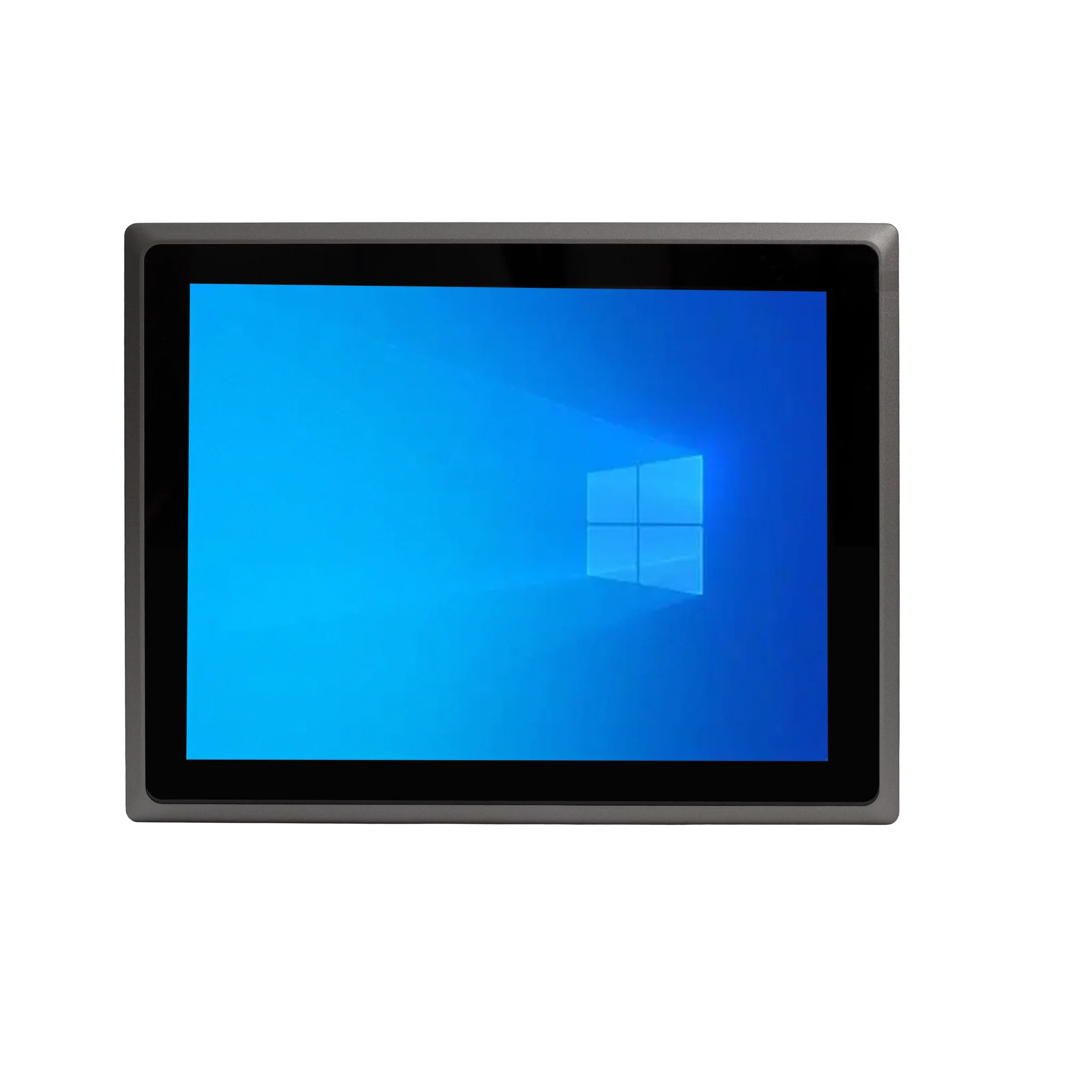
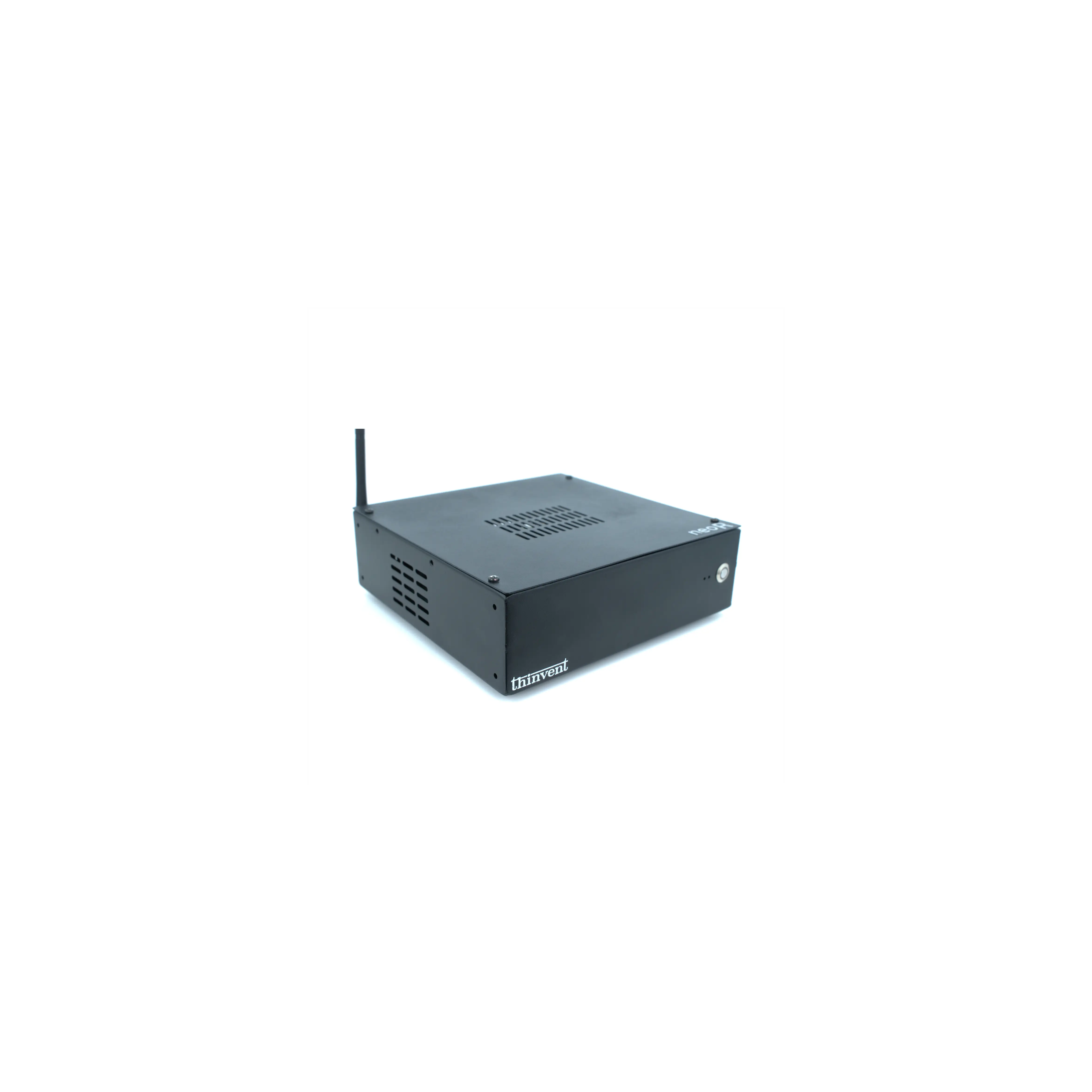
Thinvent builds a range of energy-efficient endpoints suited to VDI and centralized computing. Our thin clients are purpose-built for virtual desktop access, while our mini PCs and all-in-one PCs offer flexible form factors for different desk layouts. For tougher environments, our industrial PCs — such as models powered by the Intel® Core™ i3-1215U processor with 16 GB DDR4 RAM and up to 1 TB SSD — deliver reliable, fanless operation with options for Windows 11 Pro, Windows 11 IoT, Linux or no OS, plus dual Ethernet and multi-serial configurations. Together these products let organizations standardize on efficient endpoints, cut energy use, and simplify management across the enterprise.