What is the Cost of a Home Server?
The cost of a home server depends primarily on its intended use, performance requirements, and form factor. For basic tasks like file sharing, media streaming, or running lightweight applications, an efficient, low-power mini PC can be an excellent and affordable server solution. These compact systems offer significant advantages over repurposed old hardware or large, power-hungry towers, including lower electricity costs, silent fanless operation, and a small physical footprint.
Key Specifications for a Cost-Effective Home Server
For a reliable and economical home server, focus on these core specifications:
-
Processor: Modern, efficient Intel processors like the N-series (e.g., N100) are ideal. They offer multiple cores (4 is standard) for multitasking, have low thermal design power (TDP) for 24/7 operation, and include integrated graphics for media tasks.
-
Memory (RAM): 8GB to 16GB of DDR4 RAM is sufficient for most home server workloads, including network-attached storage (NAS), a media server (Plex/Jellyfin), or home automation software.
-
Storage: A 128GB or 256GB SSD is adequate for the host operating system and applications. For data storage, you will typically connect external drives or a dedicated NAS enclosure via USB or over the network.
-
Connectivity: Look for Gigabit Ethernet (1000) for fast network transfers. Multiple USB ports (including USB 3.2) are crucial for connecting external storage drives and peripherals.
-
Operating System: Choosing a "Without OS" or Linux-based option can reduce initial cost, allowing you to install your preferred server OS like TrueNAS, Ubuntu Server, or Proxmox.
Home Server Use Cases and Applications
A compact, industrial-grade mini PC is versatile for numerous home server applications:
-
Media Server: Stream movies, music, and photos to devices throughout your home using software like Plex, Emby, or Jellyfin.
-
File Server/NAS: Create a centralized, always-on storage location for backups, documents, and media libraries.
-
Home Automation Hub: Host platforms like Home Assistant, OpenHAB, or Node-RED to control smart home devices.
-
Game Server: Run lightweight dedicated servers for games like Minecraft, Valheim, or Terraria.
-
Development/Test Environment: Set up a local web server, database, or containerized development environment.
Thinvent Products for Your Home Server
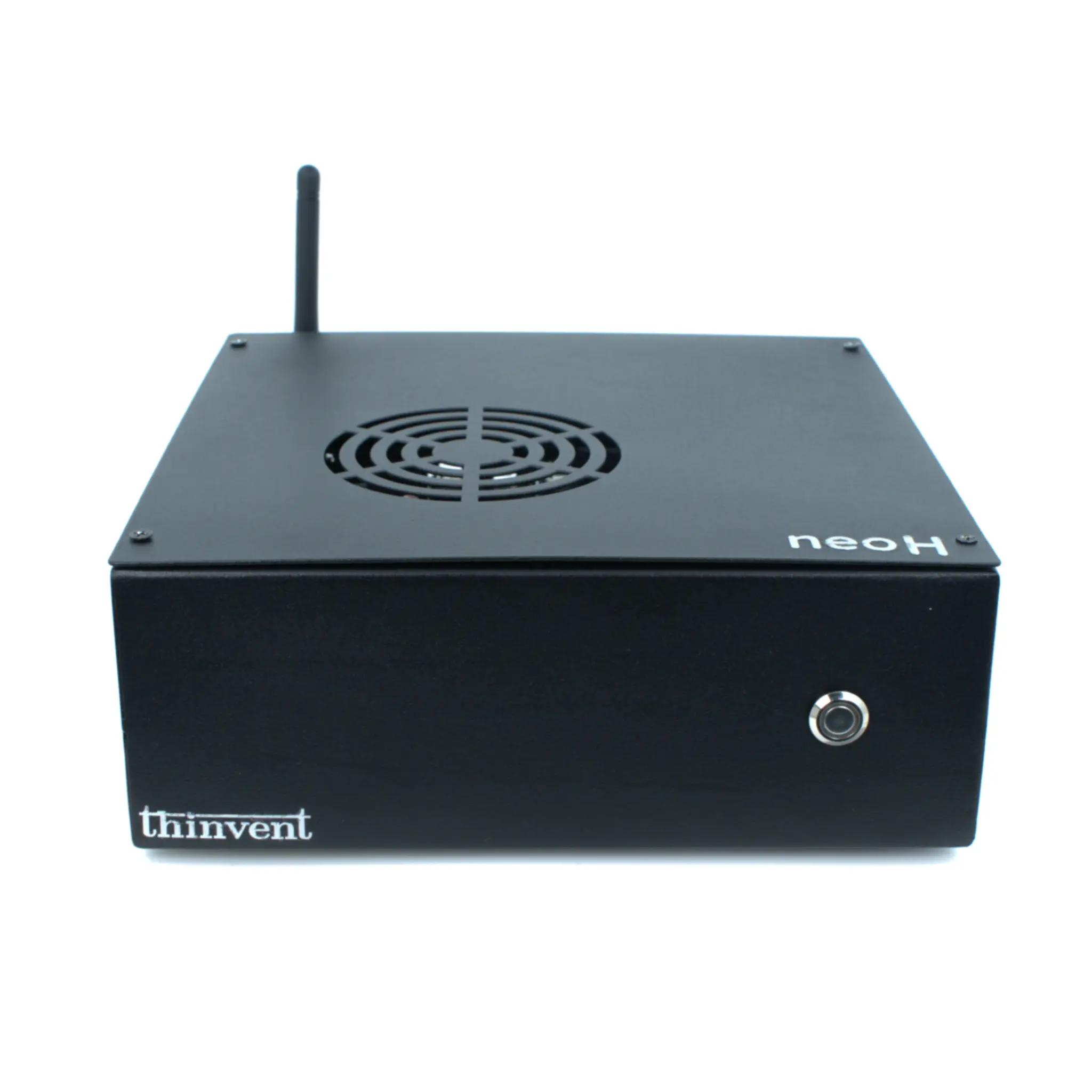
Thinvent's range of industrial mini PCs are engineered for reliability and 24/7 operation, making them perfect candidates for a robust home server. Our fanless designs ensure silent operation, while the rugged construction offers long-term stability. For example, systems powered by the Intel N100 processor provide an excellent balance of performance and power efficiency for the cost-conscious home server builder. Explore our configurable options to select the right memory, storage, and operating system to match your specific server needs and budget.