What is a Home Storage Server?
A home storage server is a dedicated, always-on computer that centralizes your digital files, media libraries, and backups for secure access from any device on your home network. Unlike consumer-grade Network Attached Storage (NAS) appliances, a PC-based server offers superior flexibility, processing power for running applications (like media transcoding or home automation), and easier expansion of storage and capabilities. It acts as the digital hub for your personal cloud, providing data redundancy and remote access.
Key Specifications for a Home Server
When selecting hardware, prioritize energy efficiency, reliable connectivity, and adequate processing power for your intended tasks. A capable home server should feature a modern, low-power processor (like Intel's N-series), sufficient RAM for smooth operation of server software (8GB minimum, 16GB recommended), and multiple drive bays or ports for connecting internal and external storage. Essential technical details include:
-
Processor: Multi-core CPUs (e.g., Intel N100, J4125) for handling background tasks and light transcoding.
-
Memory (RAM): 8GB to 32GB DDR4 to manage multiple services and caching.
-
Storage Connectivity: Support for multiple SATA drives or M.2 NVMe SSDs for the operating system and cache.
-
Networking: Gigabit Ethernet (1000) is essential for fast file transfers; additional USB or PCIe slots allow for 2.5GbE or 10GbE upgrades.
-
Form Factor: Compact, fanless Mini PCs or small-form-factor Industrial PCs are ideal for silent, 24/7 operation in living spaces.
Ideal Use Cases and Applications
A home storage server is versatile. Its primary applications include:
-
Media Library & Streaming: Hosting a Plex, Jellyfin, or Emby server to stream movies, TV shows, and music to smart TVs, phones, and tablets.
-
Automated Backups: Creating scheduled backups for all family computers and mobile devices using software like Veeam Agent or Duplicati.
-
File Sharing & Synchronization: Running Nextcloud or Syncthing to create a private, self-hosted alternative to Dropbox or Google Drive.
-
Home Automation Hub: Hosting platforms like Home Assistant or OpenHAB to control smart home devices centrally.
-
Lightweight Development & Testing: Providing a low-power environment for hosting web servers, databases, or learning containers (Docker).
Operating System Comparison
The choice of operating system defines your server's capabilities and management style.
| Operating System | Best For | Key Advantage | Consideration |
|---|---|---|---|
| Ubuntu Linux 24.04 LTS | Flexibility & Power Users | Free, open-source, vast software repository, excellent for Docker and VMs. | Requires more technical knowledge to set up and maintain. |
| Windows 11 Pro | Familiarity & Ease of Use | User-friendly GUI, broad hardware and software compatibility, easy remote desktop access. | Requires a license and has higher system overhead. |
| Without OS / FreeDOS | Custom NAS OS Installation | Allows installation of dedicated, lightweight NAS operating systems like TrueNAS Core or UnRAID. | Requires technical knowledge to install and configure the desired OS. |
Thinvent Solutions for Home Storage Servers
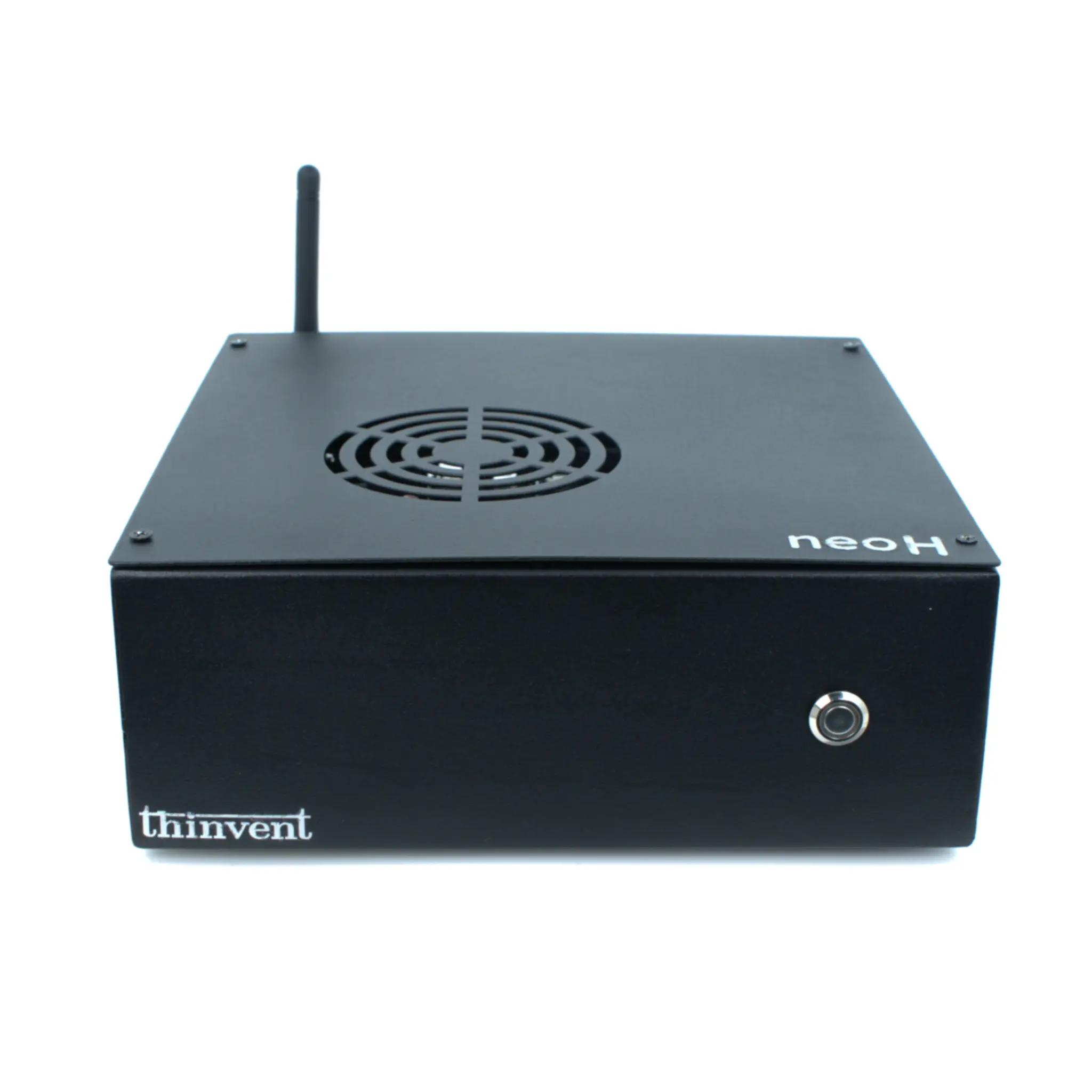
Thinvent's range of compact, industrial-grade computers are perfectly suited for building a robust and silent home storage server. Our fanless Aero Mini PCs, powered by efficient Intel processors like the N100, offer the perfect blend of low power consumption, silent operation, and reliable performance for 24/7 duty. Their small form factor allows them to be discreetly placed anywhere in the home, while their robust construction ensures long-term reliability. With multiple configuration options for RAM, storage, and operating systems (including Ubuntu Linux and Windows 11 Pro), you can select the ideal platform to host your preferred server software and scale your storage needs with connected external drives or network-attached enclosures.