What is a Homelab and Why Use a Mini PC?
A homelab is a personal computing environment, typically a small server setup, used for learning, development, testing, and running self-hosted services. It allows enthusiasts and IT professionals to experiment with networking, virtualization, containerization, and server applications in a controlled, low-cost setting. Compact, fanless mini PCs are an ideal foundation for a homelab due to their small footprint, silent operation, low power consumption, and sufficient processing power for most lab workloads.
Key Specifications for a Homelab Mini PC
When selecting a mini PC for your homelab, several technical specifications are crucial. A modern, efficient multi-core processor (like Intel's N-series) provides the necessary compute for virtual machines and containers. Adequate RAM (16GB or more) is essential for multitasking and running multiple services simultaneously. Fast SSD storage (256GB+) ensures quick application load times and responsive virtual machines. Reliable Gigabit Ethernet is a must for network services, and multiple USB ports facilitate connecting additional storage or peripherals. A fanless, ventless design ensures 24/7 silent operation without dust intrusion.
Ideal Homelab Use Cases and Applications
A mini PC homelab is versatile. Common applications include:
-
Virtualization & Containers: Running hypervisors like Proxmox VE or ESXi to host multiple virtual machines, or using Docker/Podman for containerized applications.
-
Home Server: Hosting a media server (Plex, Jellyfin), file server (Nextcloud, TrueNAS), ad-blocker (Pi-hole), or home automation hub (Home Assistant).
-
Development & Testing: Creating isolated environments for software development, web hosting, or practicing network and cybersecurity skills.
-
Network Services: Setting up a firewall/router (OPNsense/pfSense), VPN server, or DNS server.
| Workload Type | Recommended Minimum Specs | Notes |
|---|---|---|
| Lightweight Services (Pi-hole, Home Assistant) | 4-core CPU, 8GB RAM, 128GB SSD | Low power, always-on tasks. |
| Media & File Server | 4-core CPU, 16GB RAM, 512GB+ SSD | Requires storage for media libraries. |
| Virtualization Lab (2-3 VMs) | 4-core CPU, 16-32GB RAM, 512GB SSD | Good for learning hypervisors. |
| Development & Container Host | 4-6 core CPU, 32GB+ RAM, 1TB SSD | Needs resources for multiple containers/IDEs. |
Thinvent Mini PCs for Your Homelab
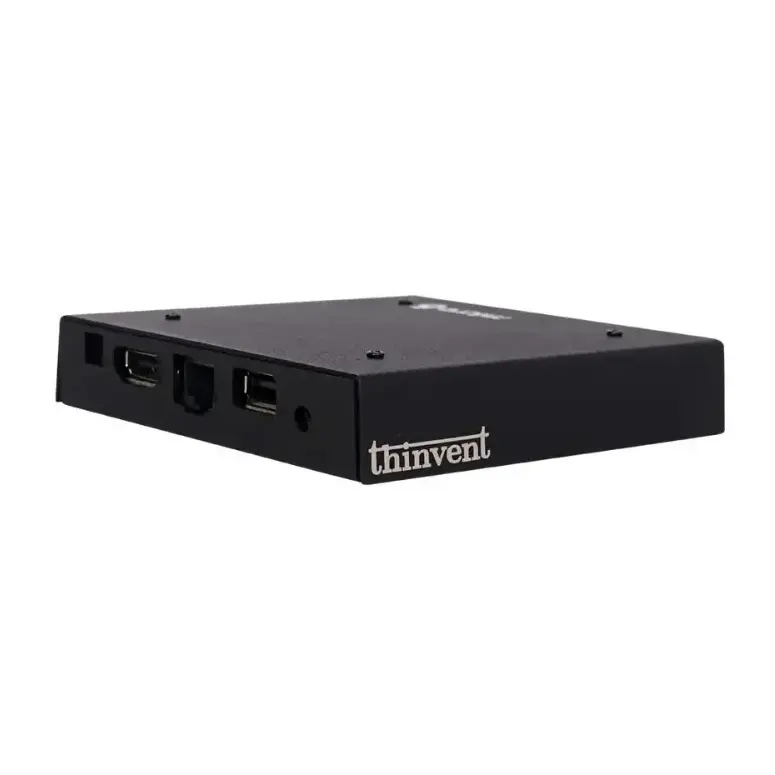
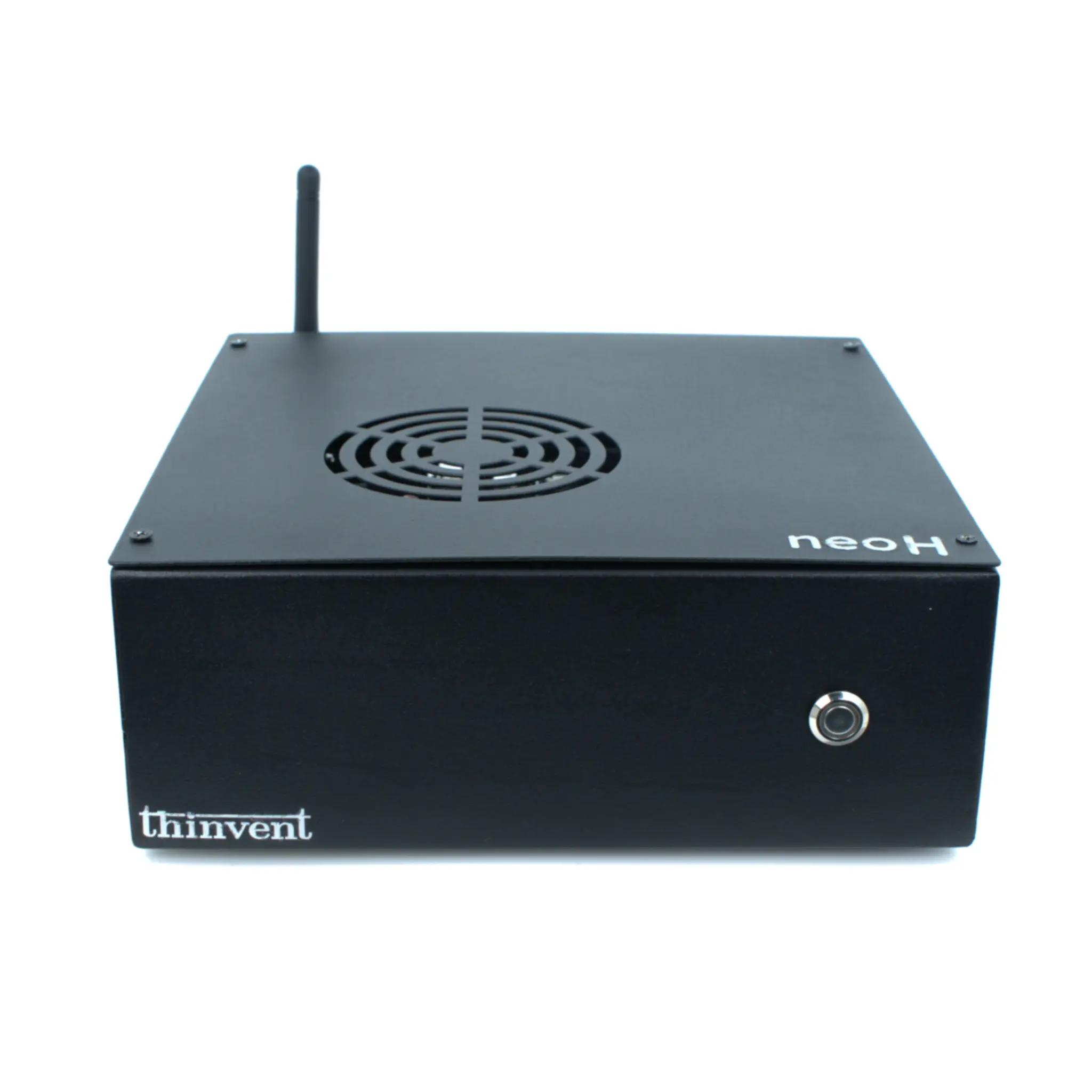
Thinvent's range of industrial-grade mini PCs are perfectly suited to build a robust and reliable homelab. Our fanless Aero Mini PC series, for example, features efficient Intel processors, generous DDR4 RAM, and fast SSD storage in a compact, silent chassis designed for continuous operation. These systems offer excellent connectivity with Gigabit Ethernet and multiple USB ports, supporting a wide array of homelab expansions. Available with various operating systems including Windows 11 Pro, Ubuntu Linux, or without an OS for maximum flexibility, Thinvent mini PCs provide a stable, professional-grade platform for all your homelab projects, from simple home servers to complex virtualization environments.