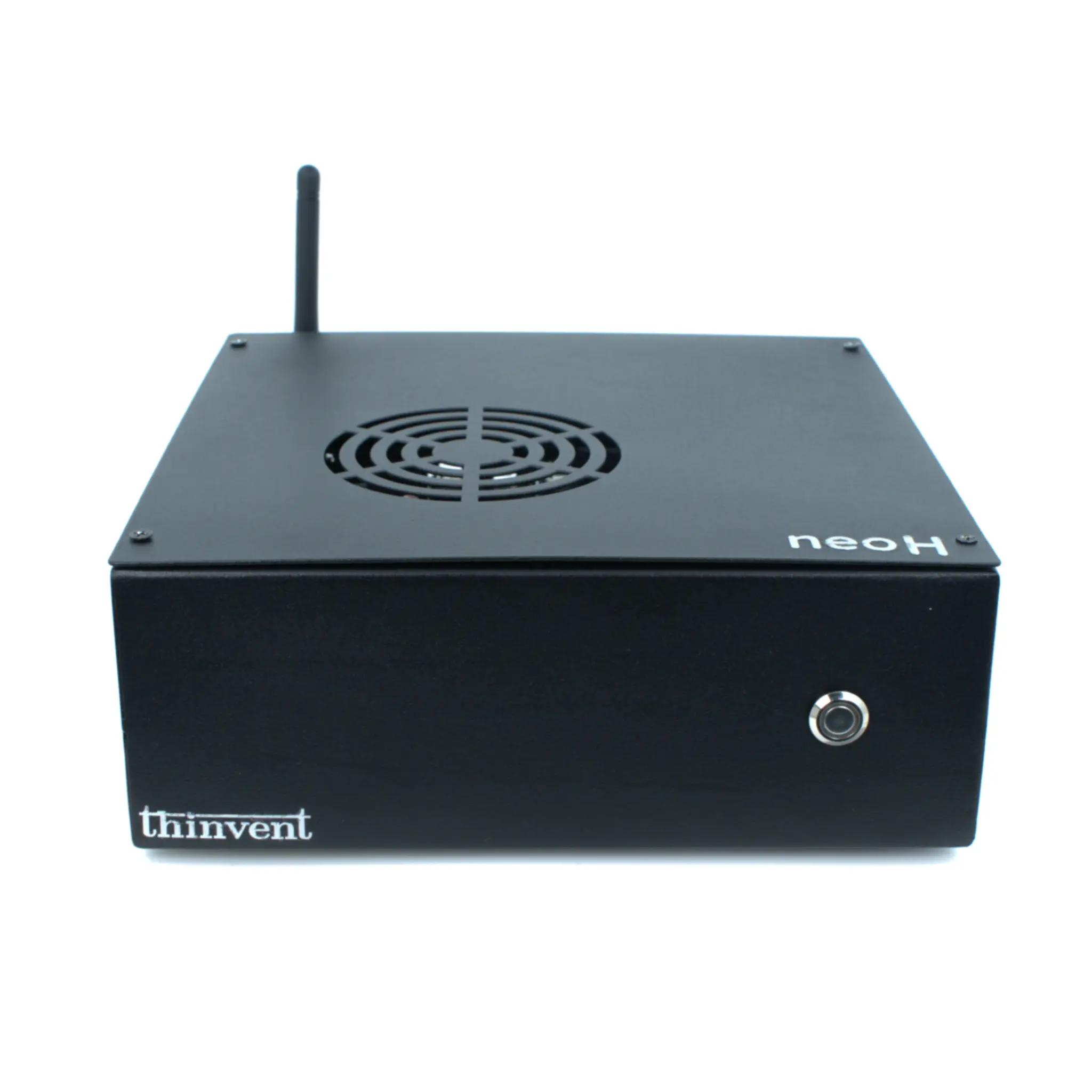
When searching for an industrial computer, the central processing unit (CPU) is a critical component that defines performance, power efficiency, and suitability for specific tasks. The price of an industrial PC is heavily influenced by its processor, alongside other factors like memory, storage, and ruggedization features. This guide explains the key CPU options and their impact on value and application.
Key Processor Specifications
Industrial PCs are powered by two primary processor architectures: Intel x86 and ARM. Intel processors, ranging from efficient N-series chips to powerful Core i-series models, offer high performance for demanding applications like machine vision, data processing, and industrial automation. ARM-based processors, like the Cortex-A series, are renowned for their ultra-low power consumption and thermal efficiency, making them ideal for fanless, always-on operations in digital signage, kiosks, and thin client environments.
Use Cases and Applications
The choice of CPU directly dictates the computer's role. For basic terminal operations, web kiosks, or lightweight Linux applications, an ARM-based system provides excellent value and reliability. For more intensive workloads—such as running complex SCADA software, edge computing analytics, or multiple virtual machines—an Intel Core i3, i5, or the latest Core Ultra processor is necessary. Understanding your software requirements and environmental conditions (temperature, dust, vibration) is essential for selecting the right balance of CPU performance and system cost.
Thinvent's Industrial Computing Solutions
Thinvent offers a comprehensive range of industrial computers designed with specific CPUs to meet diverse global needs. Our product lines include fanless Mini PCs powered by Intel N-series processors for space-constrained, silent operations, and robust Industrial PCs with high-performance Intel Core processors for factory floor automation. For ultra-efficient, embedded applications, our ARM-based Thin Clients and Micro PCs deliver reliable connectivity and management. Each system is built for durability and long-term deployment in commercial and industrial settings.