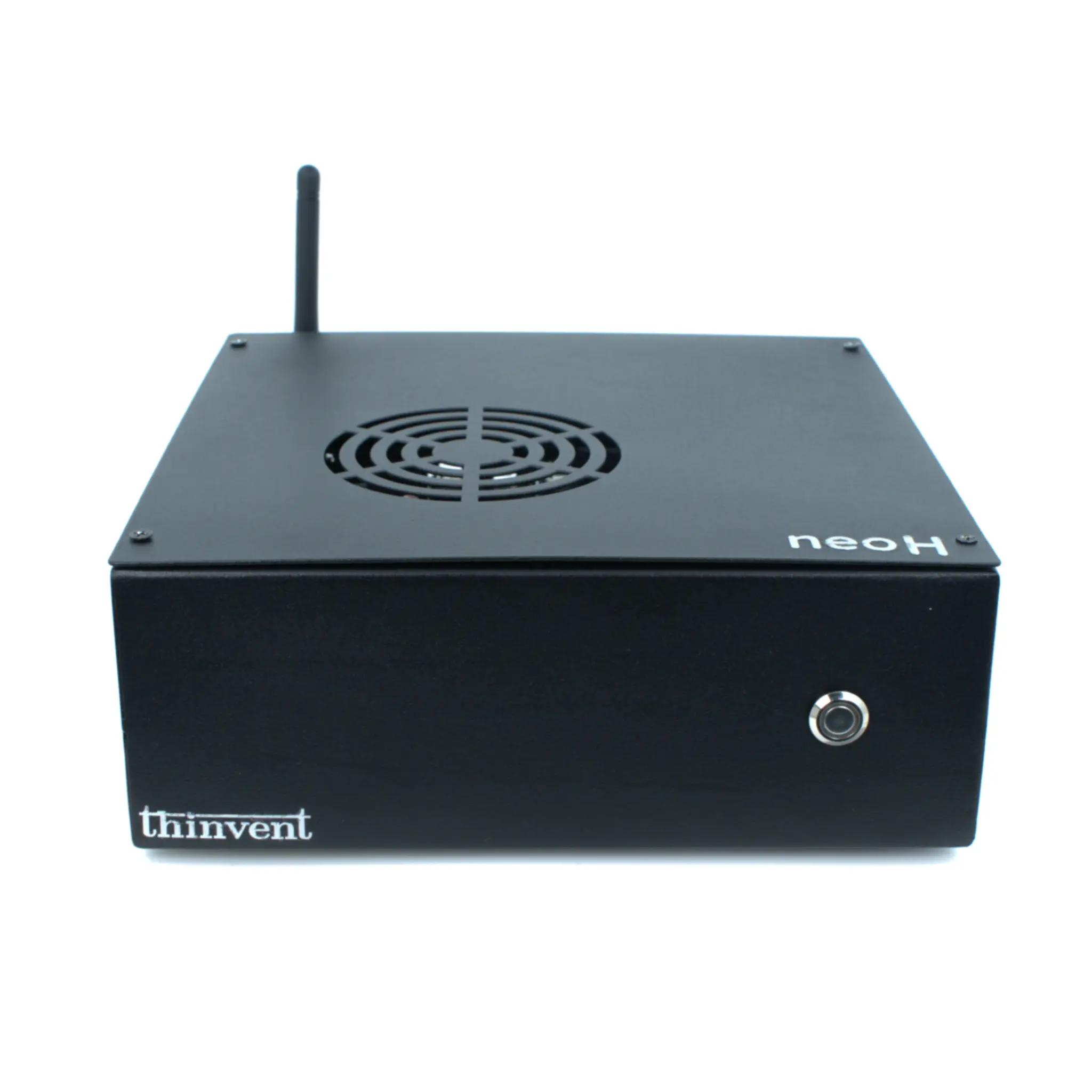
Desktop Computers: Performance, Reliability, and Versatility
Desktop computers remain the backbone of modern computing, offering unmatched performance, upgradeability, and reliability for both business and home environments. Unlike laptops or mobile devices, desktops provide greater processing power, better thermal management, and longer operational lifespans, making them ideal for demanding tasks such as data processing, software development, graphic design, and industrial automation. Modern desktop computers come in various form factors, including traditional towers, compact mini PCs, and all-in-one systems, each tailored to specific use cases and space constraints.
Key Specifications and Technical Details
When selecting a desktop computer, several critical specifications determine its performance and suitability for different applications. The processor (CPU) is the brain of the system, with options ranging from energy-efficient Intel N-series processors (like the N100 or N95) for basic tasks to powerful Intel Core i3, i5, and i7 processors for multitasking and intensive workloads. Memory (RAM) typically ranges from 4GB to 64GB, with 8GB being the minimum for smooth Windows operation and 16GB or more recommended for professional applications. Storage options include fast SSDs (128GB to 1TB) for quick boot times and application loading, while traditional HDDs offer larger capacities at lower costs. Connectivity features such as USB 3.2, HDMI, DisplayPort, and Gigabit Ethernet ensure seamless integration with peripherals and networks.
Use Cases and Applications
Desktop computers serve diverse purposes across industries. In business environments, they power office productivity suites, customer relationship management (CRM) systems, and enterprise resource planning (ERP) software. For creative professionals, high-performance desktops handle video editing, 3D rendering, and graphic design with ease. In industrial settings, ruggedized desktop computers control machinery, monitor production lines, and process real-time data. Home users benefit from desktops for gaming, streaming, education, and general computing tasks. The flexibility to upgrade components like RAM, storage, and graphics cards makes desktops a cost-effective long-term investment.
Desktop Comparison Overview
| Feature | Entry-Level Desktop | Mid-Range Desktop | High-Performance Desktop |
|---|---|---|---|
| Processor | Intel N100/N95 | Intel Core i3-1215U | Intel Core i5-1240P/120U |
| Cores/Threads | 4 cores / 4 threads | 6 cores / 8 threads | 10-12 cores / 12-16 threads |
| RAM | 4GB - 8GB | 8GB - 16GB | 16GB - 64GB |
| Storage | 128GB SSD | 256GB SSD | 512GB - 1TB SSD |
| Typical Use | Office, browsing, education | Business apps, light creative | Heavy multitasking, content creation |
Thinvent's Desktop Computer Solutions
Thinvent offers a comprehensive range of desktop computers designed for reliability and performance in various environments. Our product lineup includes the Aero Mini PC series with Intel Core i3 and i5 processors for demanding business applications, the Treo Mini PC series featuring energy-efficient Intel N-series processors for cost-effective computing, and the Industrial PC series built for harsh environments with robust construction and extended temperature support. Each system is available with Windows 11 Pro, Ubuntu Linux, or without an operating system, and can be customized with specific RAM, storage, and connectivity options to meet your exact requirements. Thinvent desktops undergo rigorous testing to ensure 24/7 reliability, making them suitable for mission-critical applications in offices, factories, retail stores, and digital signage deployments.