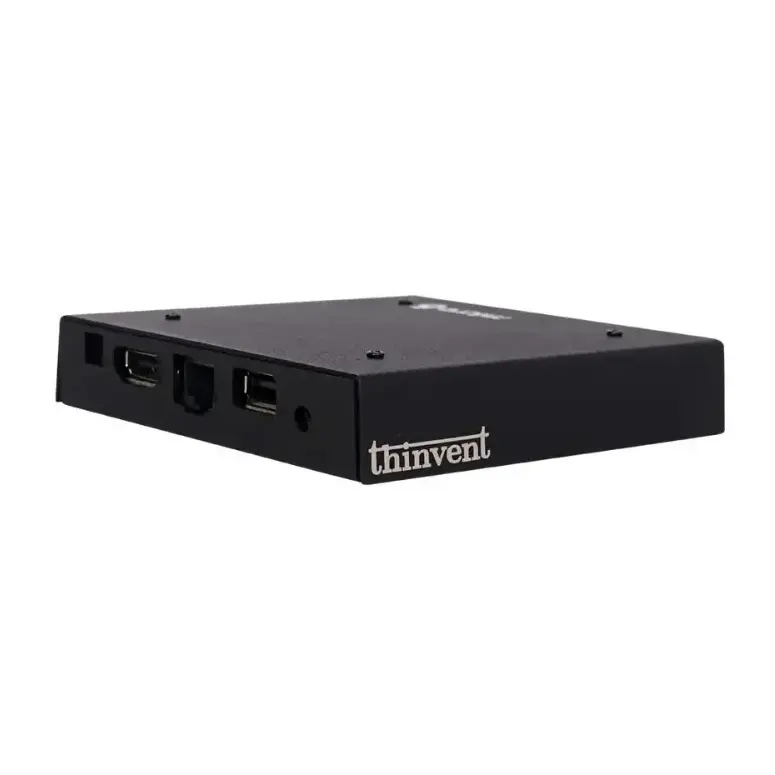
What Are Compact Industrial Computers?
Compact industrial computers, often called "const computers" or embedded PCs, are small-form-factor computing systems designed for integration into larger machinery, digital signage, kiosks, and automation systems. They prioritize reliability, low power consumption, and fanless operation for use in space-constrained or harsh environments where traditional desktop PCs are unsuitable. These systems typically feature industrial-grade components, wide operating temperature ranges, and multiple mounting options for versatile deployment.
Key Specifications and Technical Details
Modern compact industrial computers are built around efficient, low-power processors like the Intel® N-series (e.g., N100). Key specifications include:
-
Form Factor: Mini PC, panel PC, or box PC designs.
-
Processor: Intel or ARM-based CPUs with 4 or more cores, often fanless for silent operation.
-
Memory: Typically 4GB to 16GB of DDR4 RAM for smooth multitasking.
-
Storage: Solid-state drives (SSD) from 128GB to 1TB for fast boot times and data access.
-
Connectivity: Multiple Gigabit Ethernet ports, USB 3.2, HDMI/DisplayPort outputs, and optional Wi-Fi.
-
Power: Low-voltage DC input (e.g., 12V), enhancing energy efficiency and compatibility with industrial power systems.
-
Operating System: Support for Windows IoT, Linux distributions (Ubuntu, Thinux™), or headless/embedded OS for specialized applications.
Common Use Cases and Applications
These computers are ideal for embedded applications requiring a small footprint and robust performance:
-
Digital Signage & Kiosks: Powering interactive displays in retail, hospitality, and public spaces.
-
Industrial Automation: Acting as a controller for PLCs, HMIs, and machine vision systems on the factory floor.
-
Thin Clients & VDI: Providing secure, centralized desktop access in corporate and educational environments.
-
Edge Computing: Processing data locally in IoT networks for smart cities, transportation, and energy management.
-
Medical & Laboratory Equipment: Integrating into diagnostic devices and monitoring systems where reliability is critical.
Comparison of Common Compact Computer Types
| Feature | Fanless Mini PC | Thin Client | Industrial Panel PC |
|---|---|---|---|
| Primary Use | General embedded computing | Virtual Desktop Infrastructure (VDI) | Human-Machine Interface (HMI) |
| Processing Power | Moderate to High (Intel i3/i5) | Low to Moderate (ARM, Intel Celeron/N-series) | Moderate (varies by model) |
| Key Advantage | Silent, reliable, no moving parts | Secure, easy to manage, low cost | Integrated display and touchscreen |
| Typical Environment | Office, retail, light industrial | Office, call center, classroom | Factory floor, medical, harsh environments |
| OS Flexibility | High (Windows, Linux) | Medium (often locked to VDI client) | High (Windows, Linux) |
Thinvent's Range of Compact Industrial Computers
Thinvent specializes in high-reliability, fanless compact computers designed for 24/7 operation. Our Aero Mini PC series, featuring the efficient Intel® N100 processor, exemplifies this category. These systems come pre-configured with robust memory and storage options (like 16GB RAM and 128GB SSD) and support a wide array of operating systems, including Windows 11 IoT/Pro, Ubuntu Linux, and our proprietary Thinux™ Embedded Linux. Built for global deployment, Thinvent computers offer the durability and performance needed for demanding embedded applications, from digital signage and kiosks to industrial automation and edge computing nodes.