What Does "i9 7" Mean?
"i9 7" refers to Intel's 7th Generation Core i9 processor family — the first generation to introduce the Core i9 brand. Launched in 2017 on the Skylake-X architecture, these chips target high-end desktop, workstation and enthusiast platforms rather than mainstream office machines. They use the LGA 2066 socket, are paired with Intel X299 chipsets, and are typically found in heavy compute environments such as CAD, 3D rendering, simulation and content production.
Key Technical Details
7th Gen Core i9 processors are high core-count, high-TDP parts. Typical characteristics include:
| Attribute | Typical 7th Gen Core i9 |
|---|---|
| Architecture | Skylake-X |
| Socket | LGA 2066 |
| Chipset | Intel X299 |
| Cores / Threads | 6–18 cores, up to 36 threads |
| Cache | Up to ~24.75 MB L3 |
| Memory Support | Quad-channel DDR4 |
| PCIe Lanes | Up to 44 |
| TDP | 140 W and above |
Because of the high TDP and the need for dedicated cooling, these processors are almost always found in large tower workstations or rack systems — not in fanless mini PCs, thin clients or compact all-in-ones. For compact, sealed, dust-tolerant industrial enclosures, low-TDP mobile and embedded-class processors (Celeron, Intel N-series, Core i3/i5 U-series) are the practical choice.
Where 7th Gen Core i9 Systems Are Used
Typical deployments include 3D modelling and rendering workstations, video editing and post-production suites, engineering simulation, scientific computing and virtualisation hosts. These workloads value many cores, large cache and quad-channel memory bandwidth more than compactness. If your application needs a small, silent, long-life industrial computer instead, the workload profile is usually very different — data acquisition, HMI, kiosk, digital signage, edge gateway, POS or machine control — and is better served by a low-power platform.
Choosing the Right Platform
Match the processor class to the physical environment. A 140 W workstation CPU needs airflow, space and regular maintenance; a sealed fanless industrial PC with a 6 W–15 W processor runs quietly for years in dusty or hot locations. If you are replacing or supplementing an older high-end workstation with compact industrial hardware, confirm your software's CPU requirements first — many industrial and control applications run comfortably on modern 6-core U-series or N-series processors while consuming a fraction of the power.
Thinvent Products Featuring This Technology
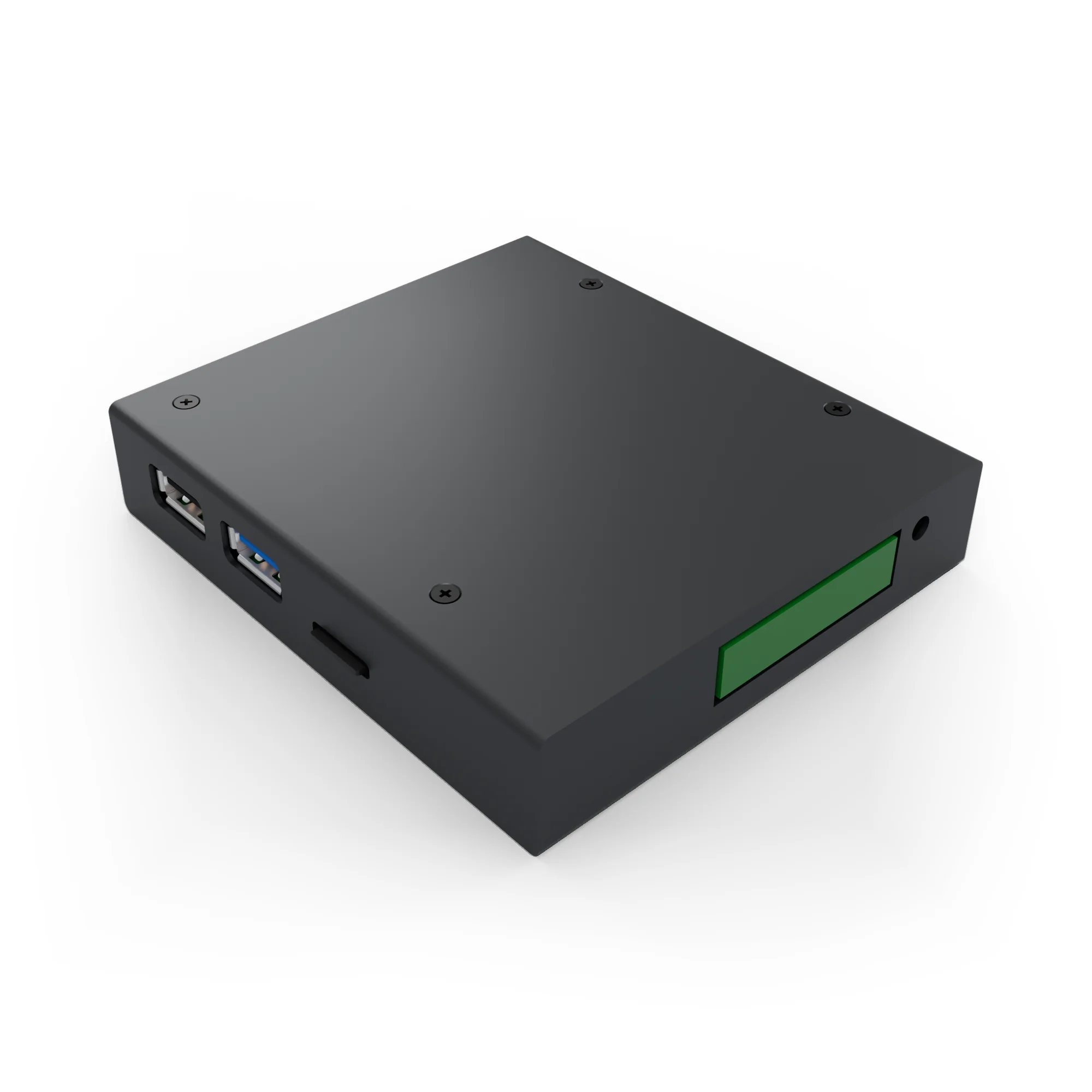
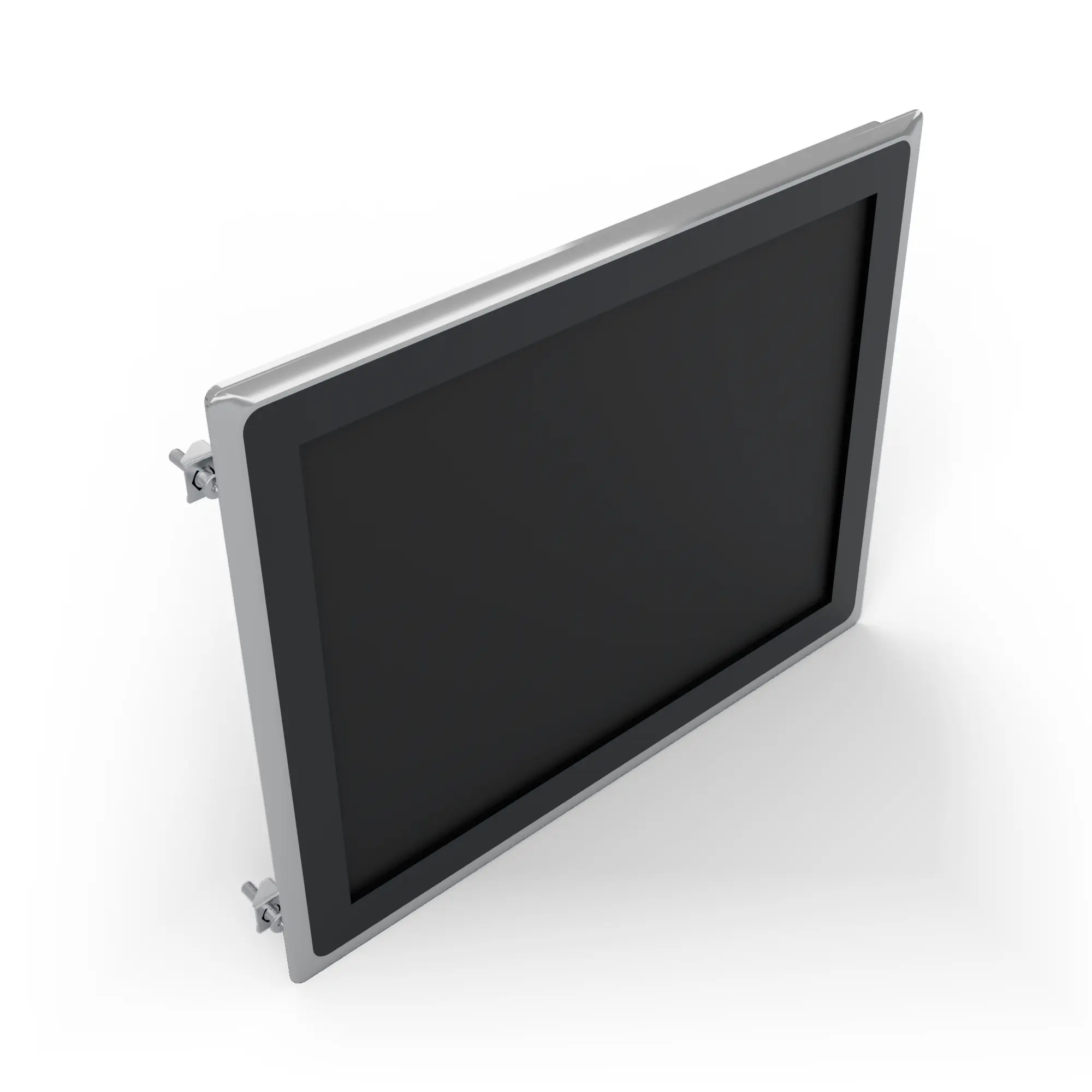
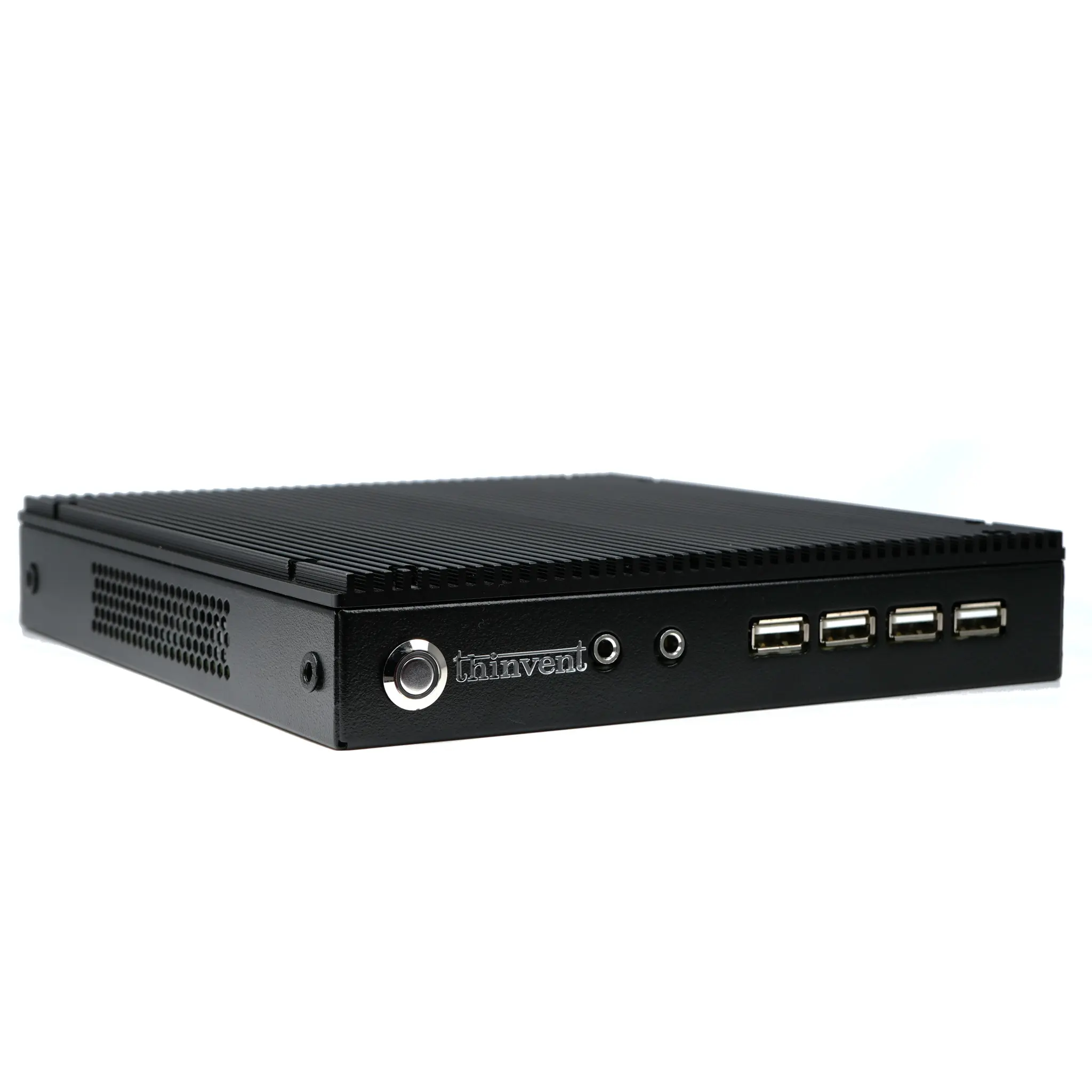
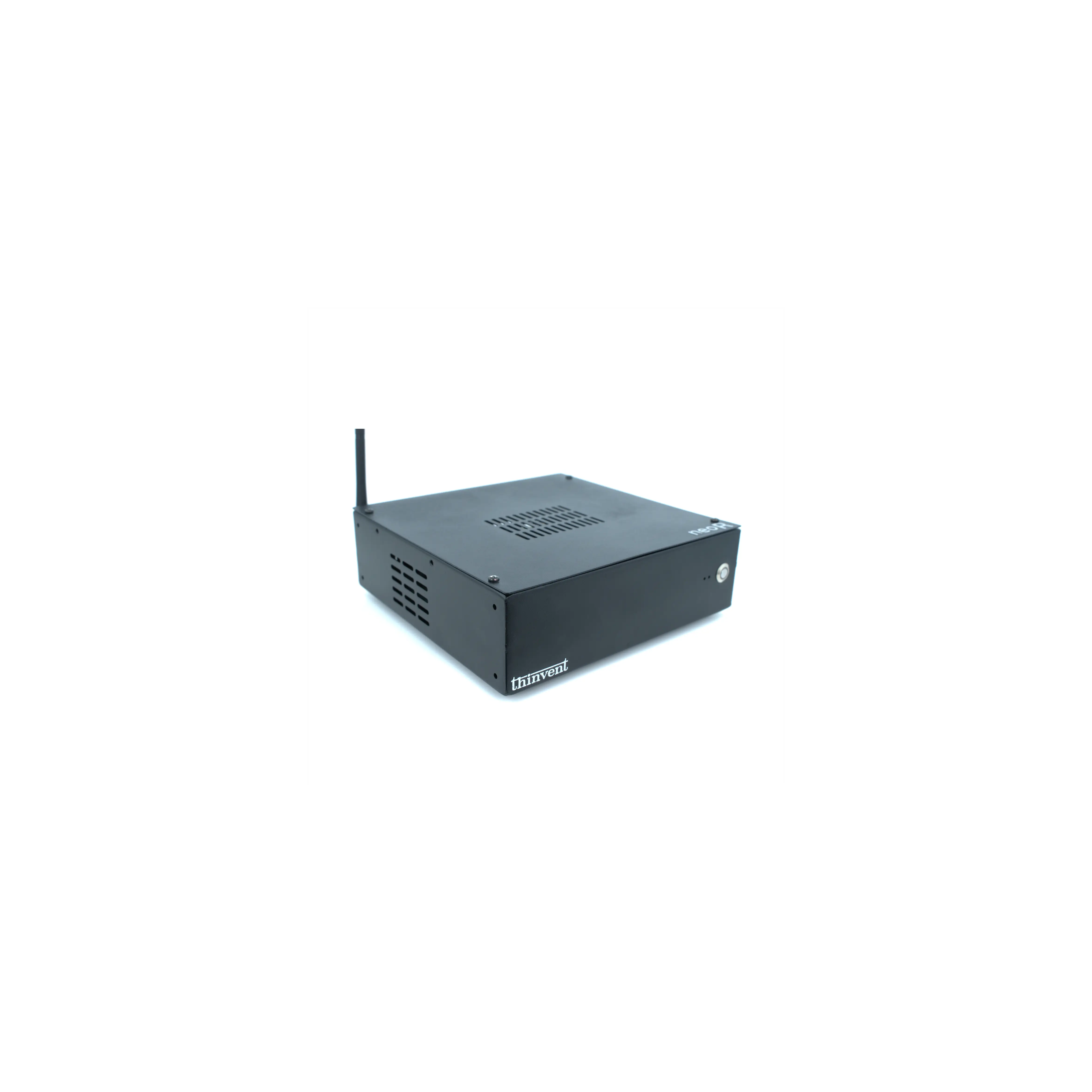
Thinvent manufactures industrial computers, mini PCs, thin clients and all-in-one PCs built around modern, power-efficient Intel and ARM platforms. Our industrial PC range — including the IPC3 series with Intel Core i3-1215U (6 cores, up to 4.4 GHz, 10 MB cache), up to 16 GB DDR4 and 1 TB SSD — delivers reliable, fanless-capable operation for factory floors, kiosks, control rooms and edge deployments. For organisations migrating from bulky 7th Gen Core i9 workstations to compact industrial hardware, Thinvent systems offer long-life availability, wide OS choice (Windows 11 Pro, Windows 11 IoT, Linux, DOS) and serial/industrial I/O options suited to real production environments.