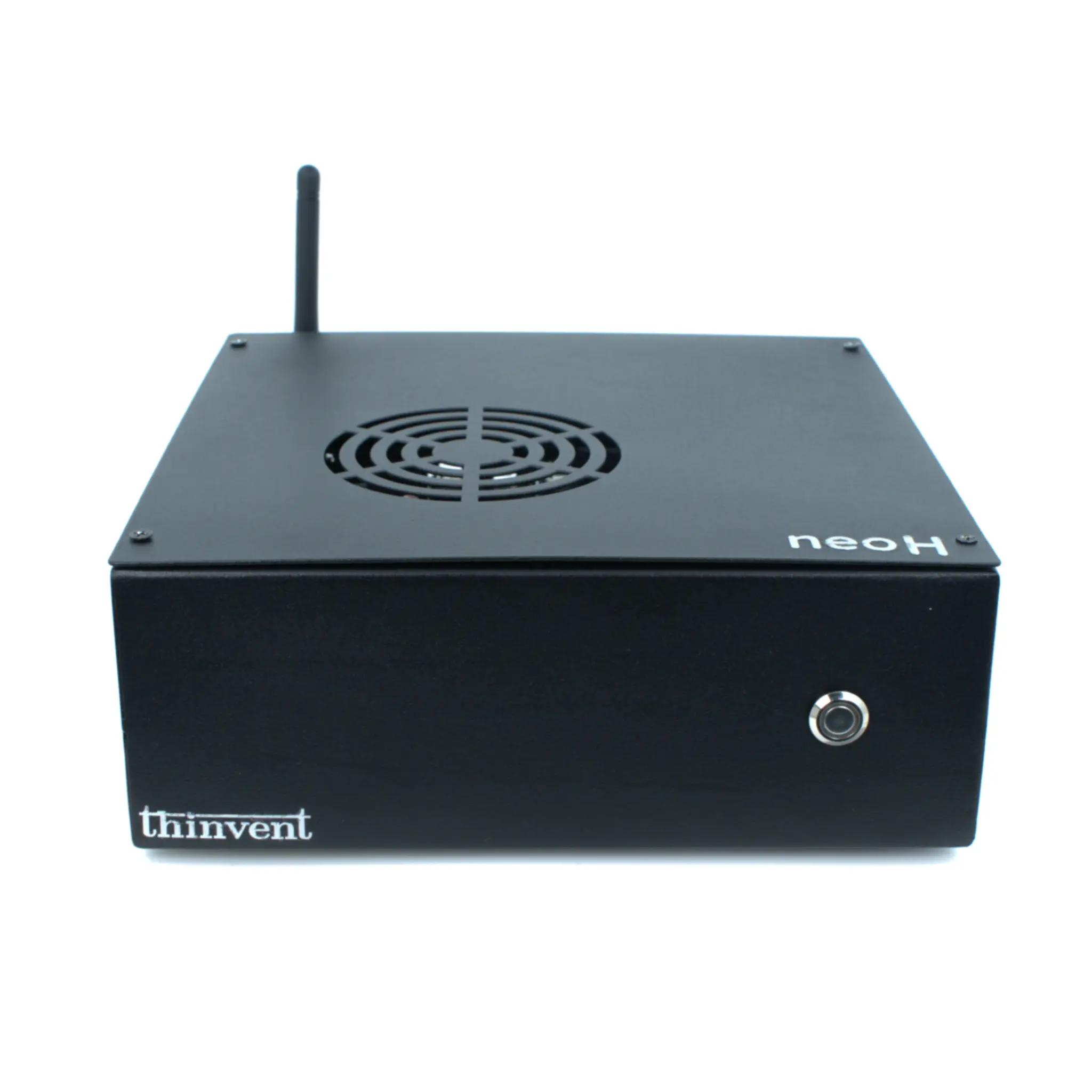
What is an i9 Computer?
An i9 computer is a high-performance system built around Intel's Core i9 processor, the flagship of the Intel Core series. These processors are designed for maximum performance, featuring a high core count, high clock speeds, and large cache sizes. They are engineered to handle the most demanding computational workloads, making them ideal for industrial applications where processing power, reliability, and speed are non-negotiable.
Key Specifications and Technical Details
Intel Core i9 processors are characterized by their exceptional multi-core and single-threaded performance. Key specifications typically include:
-
High Core Count: Modern i9 processors feature a high number of performance cores (P-cores) and efficiency cores (E-cores), often totaling 16, 20, or 24 cores.
-
High Clock Speeds: Base frequencies start high, with turbo boost speeds reaching up to 5.8 GHz on certain models, ensuring rapid task execution.
-
Large Cache: Substantial L2 and L3 cache (often 30MB or more) minimizes data latency and improves performance for complex calculations.
-
Advanced Technologies: Support for PCIe 5.0, Thunderbolt 4, Intel vPro® for manageability, and Intel® Thermal Velocity Boost.
-
High Power Envelope: Designed for robust cooling solutions, often requiring more advanced thermal management in industrial enclosures.
Use Cases and Applications
i9 computers are deployed in scenarios where standard computing power is insufficient. Common industrial and professional applications include:
-
Industrial Automation & Control: Running complex simulation software, real-time analytics, and managing high-throughput production lines.
-
Digital Signage & Media Servers: Driving multiple 4K/8K displays or processing high-resolution video content in public spaces, control rooms, or broadcast environments.
-
Edge AI and Machine Learning: Performing on-device inferencing for quality inspection, predictive maintenance, and robotics.
-
Engineering Workstations: Used for CAD/CAM, 3D rendering, finite element analysis (FEA), and scientific computing.
-
High-Frequency Trading (HFT) Systems: Where microsecond latency and maximum processing throughput are critical.
Comparison: i9 vs. Other Intel Series
| Feature | Core i9 (Flagship) | Core i7 (Performance) | Core i5 (Mainstream) | Celeron/N-Series (Entry-Level) |
|---|---|---|---|---|
| Primary Use | Extreme performance, heavy workloads | High performance, demanding tasks | Balanced performance for everyday tasks | Basic computing, lightweight applications |
| Typical Core Count | Very High (16-24+) | High (10-16) | Moderate (6-10) | Low (4) |
| Clock Speed | Highest Turbo Boost | High Turbo Boost | Good Turbo Boost | Moderate |
| Cache Size | Largest | Large | Moderate | Small |
| Ideal For | AI, rendering, simulations, data science | Professional design, development, gaming | Office productivity, general business apps | Digital signage, kiosks, thin clients |
Thinvent's Range of High-Performance Industrial Computers
While the sample products on this page feature efficient, fanless N-Series processors for reliable, low-power operation, Thinvent's broader portfolio includes robust solutions designed to accommodate high-performance Intel Core i9 processors. Our industrial-grade chassis are built with superior thermal management to handle the sustained loads of an i9 CPU, ensuring stability in harsh environments. We offer customizable configurations with high-capacity DDR5 memory, fast NVMe SSD storage, and extensive I/O options to match the demanding requirements of edge computing, automation, and AI applications. Contact our team to discuss a tailored i9-powered system for your most challenging industrial computing needs.