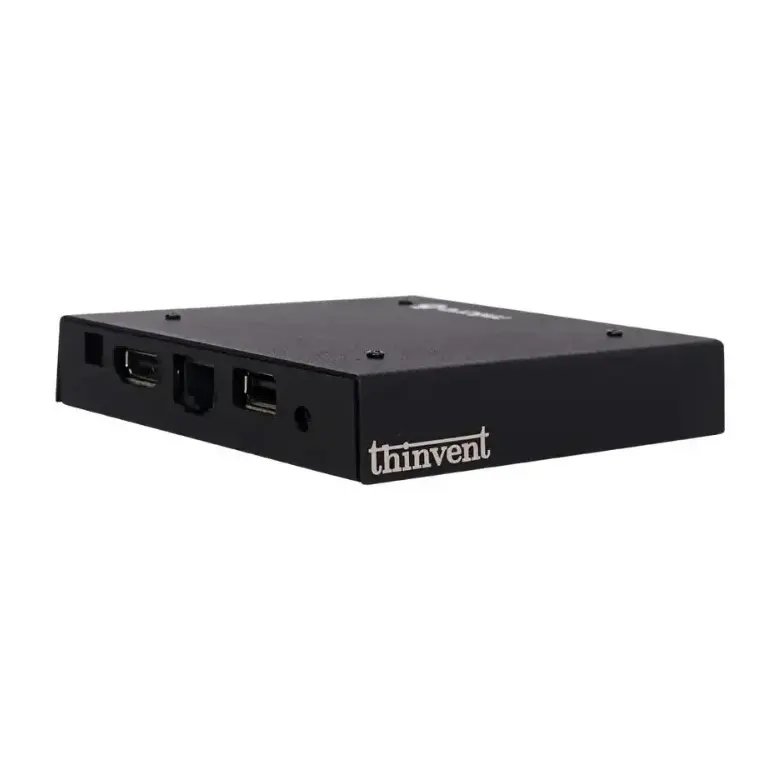
An "Icer Computer" typically refers to a rugged, fanless industrial computer designed for operation in harsh, cold, or demanding environments. These systems prioritize reliability and durability over raw performance, using passive cooling to eliminate moving parts that can fail due to dust, moisture, or extreme temperatures. The core technology enabling this is a fanless design, where the entire chassis acts as a heat sink to dissipate thermal energy from low-power, efficient processors.
Key Specifications and Design
The defining feature of an icer computer is its sealed, fanless enclosure. This is achieved through the use of processors with a low Thermal Design Power (TDP), such as Intel's N-series or certain Celeron chips. These CPUs generate minimal heat, allowing for effective passive cooling. Key specifications for these systems include:
-
Processor: Energy-efficient Intel processors (e.g., N100, N95, J4125).
-
Cooling: 100% fanless, ventless design for dust and particulate immunity.
-
Construction: Heavy-duty metal chassis (often aluminum) for structural integrity and heat dissipation.
-
Operating Temperature: A wide range, typically from -20°C to 60°C or beyond.
-
Power Supply: Wide-range DC input (e.g., 9-36V DC) for vehicle or industrial power compatibility.
-
Expansion: Often includes multiple Ethernet ports, serial COM ports, and digital I/O for industrial connectivity.
Applications and Use Cases
Icer computers are essential where standard commercial PCs would fail. Their ruggedness makes them ideal for:
-
Industrial Automation: PLCs, HMIs, and machine vision on factory floors.
-
Outdoor & Transportation: Digital signage, kiosks, and infotainment systems in buses, trains, and maritime vessels.
-
Cold Storage & Food Processing: Monitoring and control systems in freezers and refrigerated warehouses.
-
Edge Computing: Deploying AI inference or data aggregation in remote, unprotected locations.
-
Thin Client & VDI: Durable endpoints for virtual desktop infrastructure in schools, hospitals, and call centers.
Comparison: Fanless vs. Traditional Industrial PCs
| Feature | Fanless Icer Computer | Traditional Fan-Cooled Industrial PC |
|---|---|---|
| Cooling Method | Passive (Chassis as heatsink) | Active (Internal fans) |
| Dust/Water Resistance | Excellent (IP40/IP65 possible) | Limited (requires filtered vents) |
| Acoustic Noise | Silent | Audible fan noise |
| Mean Time Between Failure (MTBF) | Very High (No moving parts) | Lower (Fans are a common point of failure) |
| Performance Profile | Optimized for efficiency & reliability | Can support higher-performance, hotter CPUs |
| Typical Environment | Harsh, dirty, wide-temperature | Controlled, indoor settings |
Thinvent's Rugged Fanless Solutions
Thinvent specializes in high-reliability, fanless industrial computers perfect for demanding "icer" applications. Our product lines, such as the Aero Mini PC series, are engineered from the ground up for durability. They feature robust all-metal enclosures, wide operating temperature ranges, and support for a variety of operating systems including Windows IoT, Linux, and Ubuntu. Built with industrial-grade components, Thinvent systems are designed for 24/7 operation in challenging conditions, providing a stable and silent computing platform for critical automation, digital signage, and edge computing tasks worldwide.