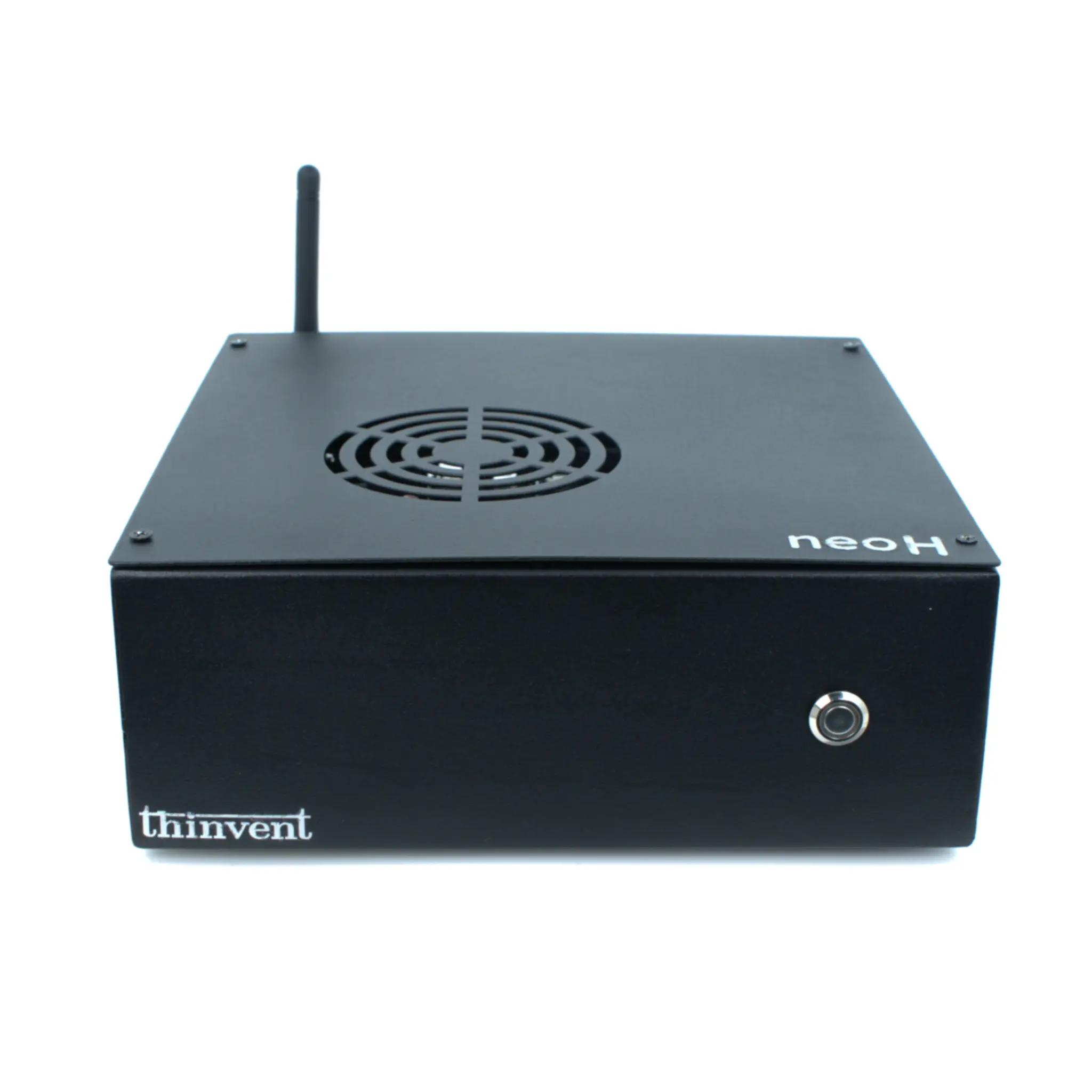
Compact industrial computers are specialized computing devices designed for integration into larger systems or machinery, where space is limited and reliability is paramount. Unlike standard desktop PCs, these systems are built to withstand harsh environments, including extreme temperatures, dust, vibration, and continuous 24/7 operation. They are the backbone of modern embedded systems, providing the processing power for dedicated functions without the bulk or fragility of consumer-grade hardware.
Key specifications for these computers focus on durability and form factor. They typically feature fanless, sealed designs for silent operation and protection against contaminants. Power efficiency is critical, often utilizing low-voltage Intel or ARM processors. Connectivity is robust, with multiple Ethernet ports (often Gigabit), serial ports (RS-232/485), and wide-range DC power inputs (9-36V) for industrial power supplies. Expansion is handled via Mini-PCIe or M.2 slots for adding cellular modems, additional storage, or specialized I/O cards.
Primary Use Cases and Applications:
-
Industrial Automation: Machine control, PLC supervision, and Human-Machine Interface (HMI) terminals on factory floors.
-
Digital Signage & Kiosks: Driving displays in retail, transportation hubs, and public information points.
-
IoT Gateways: Aggregating and processing data from sensors in smart city, agricultural, and energy management systems.
-
Transportation & Logistics: In-vehicle computing for fleet management, surveillance, and ticketing systems.
-
Medical Devices: Powering diagnostic equipment, patient monitoring systems, and imaging devices where reliability is non-negotiable.
Choosing the Right Platform: Intel vs. ARM
| Feature | Intel-Based Industrial PCs | ARM-Based Industrial PCs |
|---|---|---|
| Processing Power | High performance; suitable for complex tasks, Windows OS, and x86 software. | Power-efficient; ideal for lightweight, dedicated applications running Linux. |
| Thermal Design | Often require careful thermal management, though modern low-power chips enable fanless designs. | Inherently low-power, enabling ultra-compact, completely fanless form factors. |
| Software Ecosystem | Broad compatibility with Windows, Linux, and legacy industrial x86 software. | Typically runs Linux or real-time operating systems (RTOS); excellent for containerized apps. |
| Typical Use Case | Advanced HMIs, edge AI inference, vision systems, data acquisition. | IoT gateways, thin clients, digital signage players, simple control systems. |
Thinvent's Range of Compact Industrial Computers
Thinvent offers a comprehensive portfolio of compact industrial computers tailored for embedded applications. Our product lines cater to diverse performance and connectivity needs. For ultimate power efficiency and simplicity in space-constrained environments, our Micro Series thin clients utilize ARM processors with onboard memory and storage. For balanced performance and versatility, the Treo and Aero Mini PC series feature efficient Intel processors like the N100 and Core i3, perfect for digital signage and kiosks. For demanding industrial automation and edge computing tasks, our Industrial PC (IPC) series delivers robust performance with Intel Core i5 and i7 processors, extensive I/O, and ruggedized designs for challenging environments. All Thinvent systems are engineered for reliability, with fanless cooling options and support for a wide range of operating systems, including Windows IoT, Ubuntu Linux, and our own Thinux™ Embedded Linux.