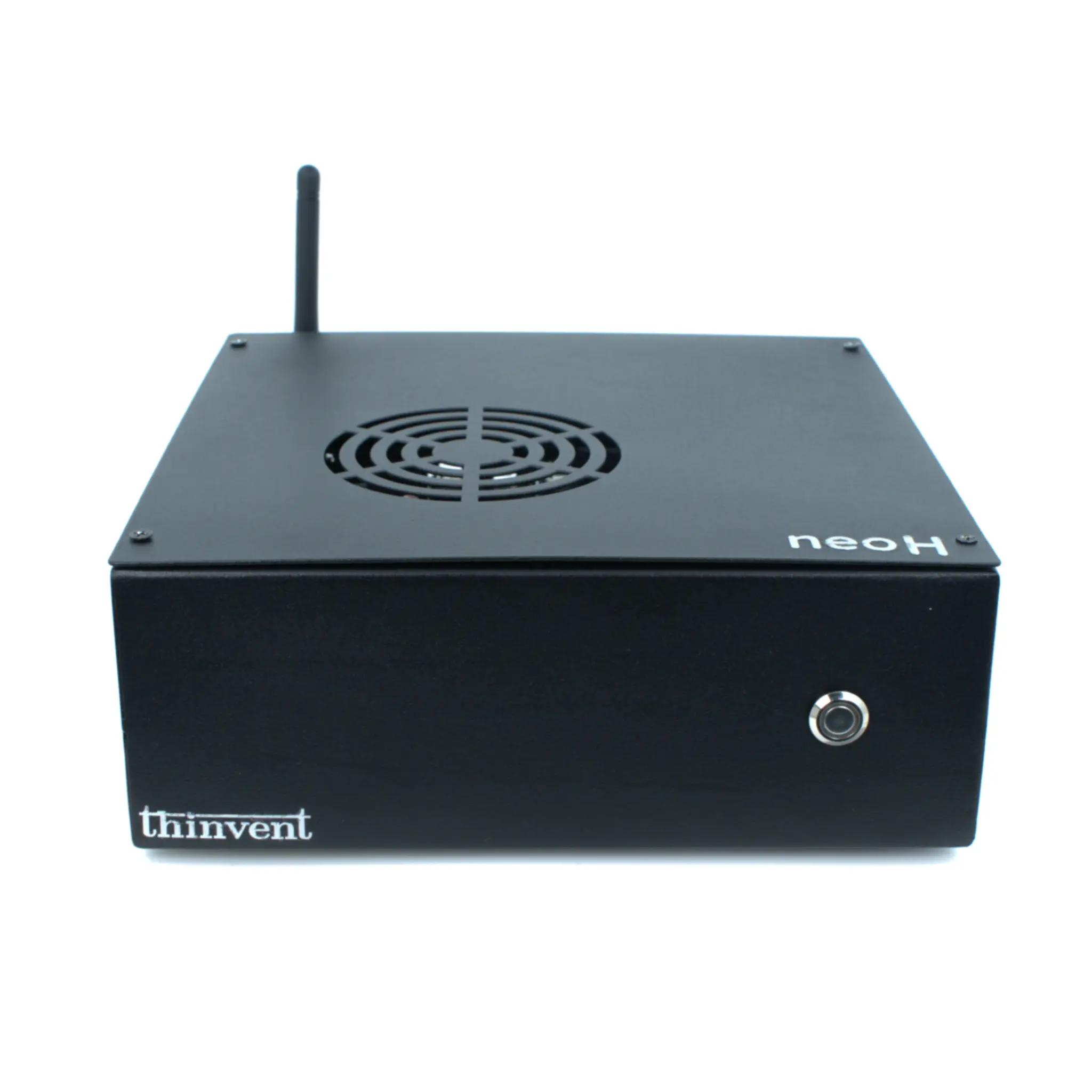
The term "Internet Gadgets" broadly refers to compact, connected computing devices designed for specialized tasks within the Internet of Things (IoT) ecosystem. These are not consumer gadgets but robust, industrial-grade computers built for reliability, low power consumption, and seamless integration into digital environments. They serve as the silent, intelligent backbone for modern automation, data acquisition, and edge computing.
Key Specifications and Technical Details
Industrial Internet Gadgets prioritize efficiency and durability. Common specifications include fanless, compact form factors for silent and dust-resistant operation in confined spaces. They are powered by efficient processors like Intel's N-series, which offer a balance of performance and low thermal design power (TDP). Standard configurations feature DDR4 RAM, solid-state storage (SSD), and multiple connectivity options including Gigabit Ethernet, USB ports, and often support for multiple displays. Their power requirements are minimal, often running on a simple 12V DC adapter, making them ideal for 24/7 operation.
Use Cases and Applications
These devices are deployed in scenarios where a standard desktop PC is impractical. Primary applications include:
-
Digital Signage & Kiosks: Driving displays in retail, hospitality, and public information systems.
-
Thin Clients & VDI: Providing secure, centralized desktop access in corporate and educational environments.
-
Edge Computing Gateways: Collecting, processing, and transmitting data from sensors in manufacturing, agriculture, and smart city infrastructure.
-
Embedded Systems: Serving as the core controller in automation, medical devices, and point-of-sale (POS) systems.
Comparison of Common IoT Device Types
| Feature | Fanless Mini PC | Thin Client | Industrial Panel PC |
|---|---|---|---|
| Primary Use | General-purpose edge computing, kiosks | Virtual Desktop Infrastructure (VDI) | Human-Machine Interface (HMI), control panels |
| Processing | Local processing (Intel Celeron/N-series, Core i3/i5) | Minimal local processing; relies on server | Local processing, often with touchscreen |
| Typical OS | Windows IoT, Linux, Windows 11 Pro | ThinOS, Linux, Windows IoT | Windows IoT, Linux |
| Key Advantage | Versatility, compact size, no moving parts | Security, centralized management, low cost | Integrated display, rugged design |
Thinvent Solutions for IoT and Edge Computing
Thinvent offers a comprehensive range of industrial-grade computing solutions perfect for "Internet Gadget" applications. Our product lines, such as the Aero Mini PC series, exemplify the ideal balance of performance, reliability, and compact design. These fanless systems are built with robust components to withstand continuous operation in diverse environments. From efficient Intel N-series processors for basic tasks to more powerful Intel Core configurations for demanding edge analytics, Thinvent provides scalable options. Our devices come with a choice of operating systems—including Windows 11 IoT, Ubuntu Linux, and our own Thinux™ Embedded Linux—to match your specific software requirements, ensuring a seamless fit for your digital signage, thin client, or embedded automation project.