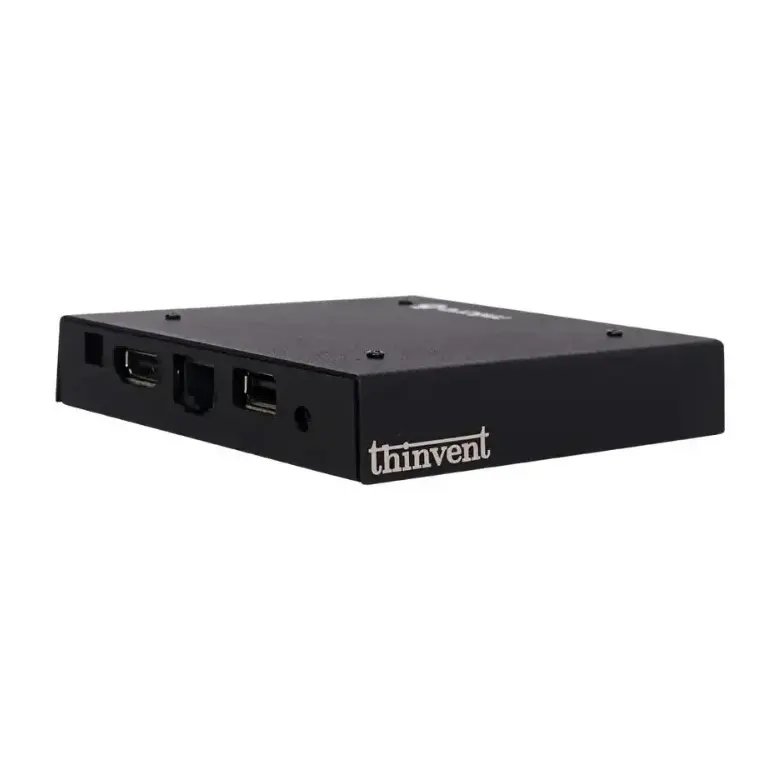
What Are Compact Mini PCs?
Compact Mini PCs, often referred to as small form factor (SFF) computers, are powerful computing devices engineered into a significantly reduced physical footprint. They deliver the essential performance of a traditional desktop tower but in a space-saving design, typically using low-power, efficient processors. These systems are ideal for environments where space is at a premium, energy efficiency is critical, and reliable, silent operation is required due to their common fanless or ultra-quiet cooling designs.
Key Specifications and Technical Details
Modern compact Mini PCs are built around efficient processor architectures like Intel's N-series (e.g., N100) or low-power Core series. Key specifications to consider include:
-
Processor: Multi-core CPUs (e.g., 4-core Intel N100) with integrated graphics, balancing performance and power consumption.
-
Memory (RAM): Typically configurable from 8GB to 16GB or more of DDR4/DDR5 RAM for smooth multitasking.
-
Storage: Utilizes fast Solid State Drives (SSDs) in capacities from 128GB to 1TB or more for the operating system and applications.
-
Connectivity: Equipped with multiple USB ports (including USB 3.2 and Type-C), HDMI/DisplayPort outputs for dual displays, Gigabit Ethernet, and often Wi-Fi and Bluetooth.
-
Power: Operates on low-voltage DC power (e.g., 12V), making them energy-efficient and easy to deploy.
Use Cases and Applications
Their versatility makes them suitable for a wide range of applications:
-
Digital Signage & Kiosks: Perfect for driving displays in retail, hospitality, and public information points due to their small size and reliability.
-
Office Productivity: An excellent choice for general office work, web browsing, and communication software, freeing up desk space.
-
Industrial Automation: Used as a controller or HMI in manufacturing and logistics, benefiting from fanless, rugged designs that resist dust and vibrations.
-
Thin Client & VDI: Ideal as endpoints for virtual desktop infrastructure, providing secure access to centralized computing resources.
-
Home Entertainment: Can serve as a compact media center or home server for streaming content.
Comparison: Mini PC vs. Traditional Desktop
| Feature | Compact Mini PC | Traditional Desktop Tower |
|---|---|---|
| Size/Footprint | Extremely small (often palm-sized) | Large, requires significant space |
| Power Consumption | Very low (10W-30W typical) | Moderate to High (65W-500W+) |
| Noise Level | Silent (fanless) or very quiet | Audible fan noise under load |
| Upgradeability | Limited (often RAM & SSD only) | Highly upgradeable (GPU, RAM, storage, etc.) |
| Deployment | Easy to mount/hide; highly portable | Stationary; difficult to relocate |
| Ideal For | Space-constrained, embedded, and efficient computing | High-performance gaming, workstations, extensive upgrades |
Thinvent Compact Mini PC Solutions
Thinvent offers a robust range of compact Mini PCs designed for industrial and commercial reliability. Our Aero Mini PC series, for example, features efficient Intel processors like the N100, paired with ample DDR4 RAM and SSD storage. These systems are built for 24/7 operation in diverse environments, from office desks to factory floors. Available with multiple operating system options including Windows 11, Ubuntu Linux, or our own Thinux™ Embedded Linux, Thinvent Mini PCs provide a versatile, power-efficient, and dependable computing foundation for your specific application needs.