What’s New in 2024 for Industrial Computers and Mini PCs?
The landscape of industrial computing and mini PCs in 2024 is defined by a push toward higher efficiency, compact design, and robust performance. Key trends include the adoption of 12th and 14th Gen Intel processors (like the N100 and Core i5-120U), which offer significant improvements in power efficiency and multi-core performance compared to older generations. ARM-based solutions also remain popular for low-power, fanless applications, particularly in embedded systems and thin clients. This year, we see a strong emphasis on DDR4/DDR5 memory compatibility, faster NVMe SSD storage, and enhanced I/O options like dual Ethernet ports and USB-C connectivity.
Key Specifications and Technical Details
When evaluating the latest hardware, consider these critical specs:
-
Processors: Intel’s Alder Lake (12th Gen) and Raptor Lake (14th Gen) series dominate, with models like the N100 (4 cores, up to 3.4 GHz) for energy-efficient tasks and the Core i5-1240P (12 cores, up to 4.4 GHz) for demanding workloads. ARM Cortex-A55/A53 chips (4 cores, up to 2.0 GHz) are ideal for ultra-low-power environments.
-
Memory: Modern mini PCs and industrial computers support 4GB to 32GB of DDR4 RAM, with some models offering up to 64GB for intensive applications.
-
Storage: NVMe SSDs (128GB to 1TB) are standard, providing fast boot times and data access.
-
Connectivity: Look for dual-band WiFi, Bluetooth 5.0+, multiple USB 3.2 ports, HDMI 2.0 (supporting 4K output), and Gigabit Ethernet. Industrial models often include RS232/RS485 ports for legacy equipment integration.
-
Form Factors: Fanless designs are common for reliability in dusty or vibration-prone environments. Mini PCs typically measure under 150mm x 150mm, while industrial PCs may feature ruggedized chassis with DIN-rail mounting.
Use Cases and Applications
The latest hardware is versatile across sectors:
-
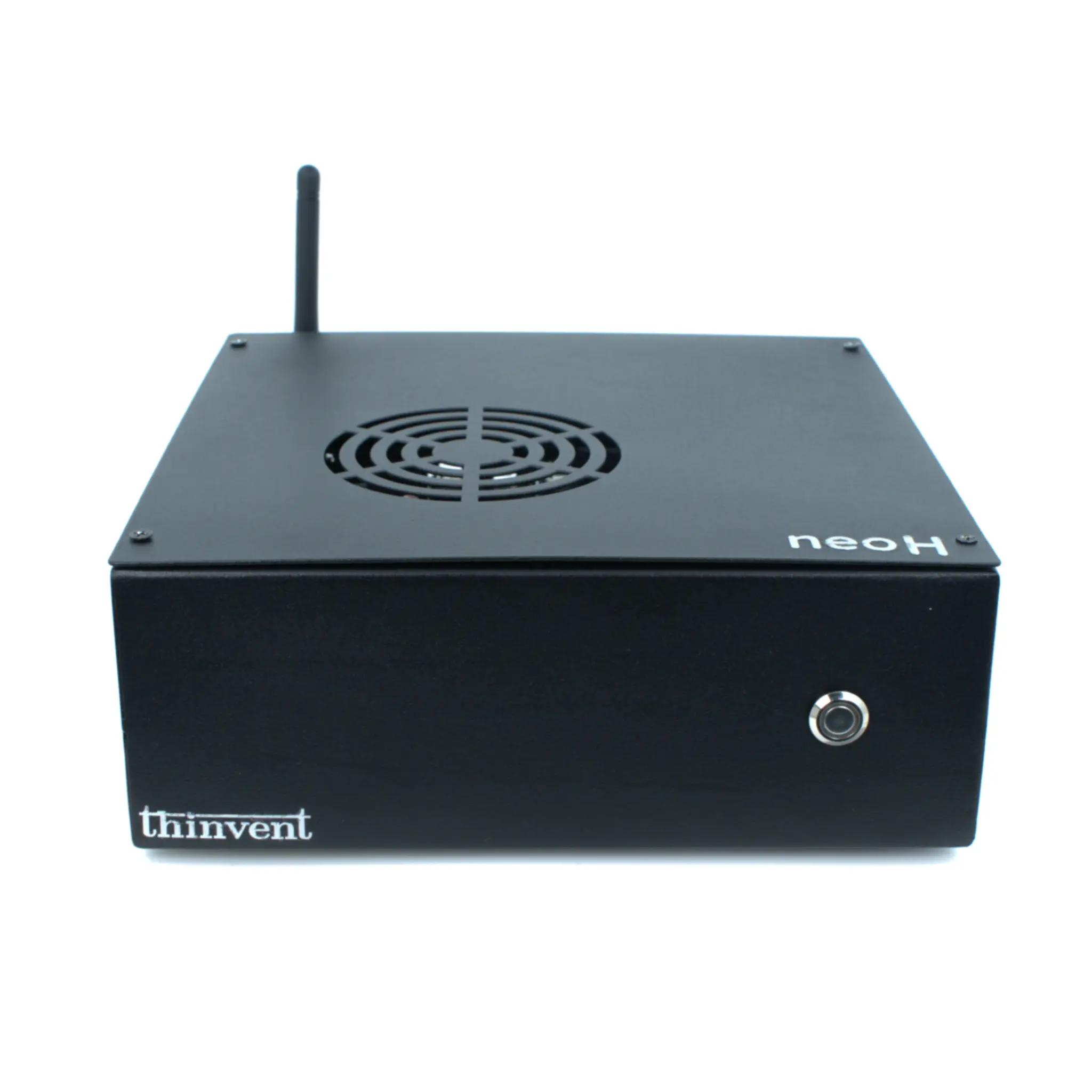
Industrial Automation: Fanless industrial PCs (e.g., IPC5 with i5-1240P) control machinery, monitor production lines, and run SCADA software. Their rugged design ensures uptime in factories.
-
Digital Signage and Kiosks: Compact mini PCs (e.g., Aero series with N100) power interactive displays and point-of-sale (POS) systems, offering silent operation and low heat output.
-
Edge Computing: For IoT gateways and data processing at the network edge, ARM-based thin clients (e.g., Micro 6 Pro) provide low-power, always-on performance.
-
Healthcare and Retail: Thin clients with embedded Linux (Thinux™) are used for secure, centralized computing in hospitals and retail stores, reducing IT maintenance.
Comparison Table: 2024 Industrial PCs vs. Mini PCs
| Feature | Industrial PC (IPC5) | Mini PC (Aero N100) |
|---|---|---|
| Processor | Intel Core i5-1240P (12 cores) | Intel N100 (4 cores) |
| RAM | 16GB DDR4 | 4GB–32GB DDR4 |
| Storage | 512GB NVMe SSD | 128GB–512GB NVMe SSD |
| Cooling | Active (fan) | Fanless |
| Typical Use | Factory automation, heavy workloads | Digital signage, office tasks |
| Power Consumption | ~12V 7A | ~12V 5A |
| OS | Windows 11 IoT | Ubuntu, Windows 11 Pro, or Without OS |
Thinvent’s 2024 Product Range
Thinvent offers a comprehensive lineup for 2024, covering both industrial and commercial needs. Our Industrial PC series (IPC1, IPC3, IPC5) features Intel N100, i3-1215U, and i5-1240P processors with rugged enclosures, ideal for 24/7 operation in harsh environments. For energy-efficient applications, the Micro series thin clients (Micro 5, Micro 6 Pro) leverage ARM Cortex processors and Thinux™ Embedded Linux, perfect for secure, low-power deployments. The Aero and Treo Mini PCs provide flexible options for desktop computing, digital signage, and edge IoT, supporting Windows 11 Pro or Ubuntu Linux. All models are designed for reliability, with fanless cooling, wide temperature tolerance, and compact footprints to fit any workspace.