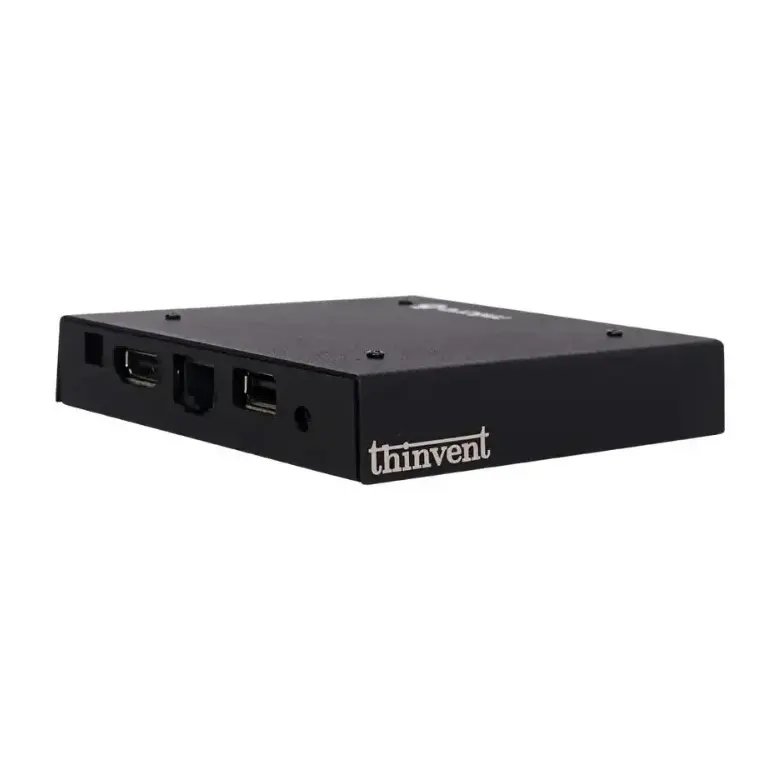
What Are Little Computers?
A "little computer" typically refers to a compact, space-saving desktop PC, most commonly a Mini PC. These devices pack the essential computing components of a traditional tower into a significantly smaller form factor, often no larger than a book. They are designed for environments where space is at a premium, power consumption must be low, and silent, fanless operation is desired. Unlike bulky desktops, these systems offer a minimalist footprint without sacrificing core functionality for everyday tasks, digital signage, and light industrial applications.
Key Specifications and Technical Details
Modern compact computers are built around efficient, low-power processors from Intel's N-series (like the N100) or Celeron series. They typically feature soldered RAM (often 8GB or 16GB DDR4) and fast SSD storage (128GB to 512GB) for quick boot times and responsive performance. A hallmark of these systems is their fanless, ventless design, which uses passive cooling through the metal chassis for completely silent and dust-proof operation. Standard connectivity includes multiple USB ports (including USB-C), HDMI outputs for dual displays, Gigabit Ethernet, and optional Wi-Fi/Bluetooth modules. They are powered via an external DC adapter, further reducing internal heat and size.
Ideal Use Cases and Applications
The small size and robust build of these computers make them exceptionally versatile. They are perfect as discreet office workstations, home theater PCs (HTPCs), or point-of-sale (POS) terminals in retail. In industrial and commercial settings, their fanless design allows reliable operation in harsh environments with dust or particulates, making them suitable for digital signage, kiosks, and light automation control. They are also excellent for thin client setups, remote monitoring stations, and as dedicated servers for lightweight applications like network firewalls or print servers.
Comparison of Compact Computer Types
| Feature | Mini PC (Fanless) | Traditional Desktop Tower | Thin Client |
|---|---|---|---|
| Size | Extremely compact (e.g., 150 x 150 x 40 mm) | Large and bulky | Very compact, often wall-mountable |
| Cooling | Passive (silent, no moving parts) | Active (fans required) | Typically passive or low-speed fan |
| Power Use | Very low (10W-25W) | High (65W-300W+) | Very low (5W-15W) |
| Upgradability | Limited (often RAM/SSD only) | High (full component access) | Very limited or none |
| Primary Use | General computing, embedded apps | High-performance tasks, gaming | Virtual desktop access, terminal services |
Thinvent's Range of Compact Computing Solutions
Thinvent specializes in robust, industrial-grade compact computers designed for 24/7 operation. Our product lines, such as the Aero Mini PC series, exemplify the "little computer" concept with their ultra-compact, fanless aluminum chassis. They are powered by efficient Intel processors, offer a range of memory and storage configurations, and support multiple operating systems including Windows, Linux, and our own Thinux™ Embedded Linux. Built for reliability in demanding environments, Thinvent's mini PCs are ideal solutions for digital signage, automation, kiosks, and space-constrained office setups where silent, dependable performance is critical.