What Are Fanless Computers?
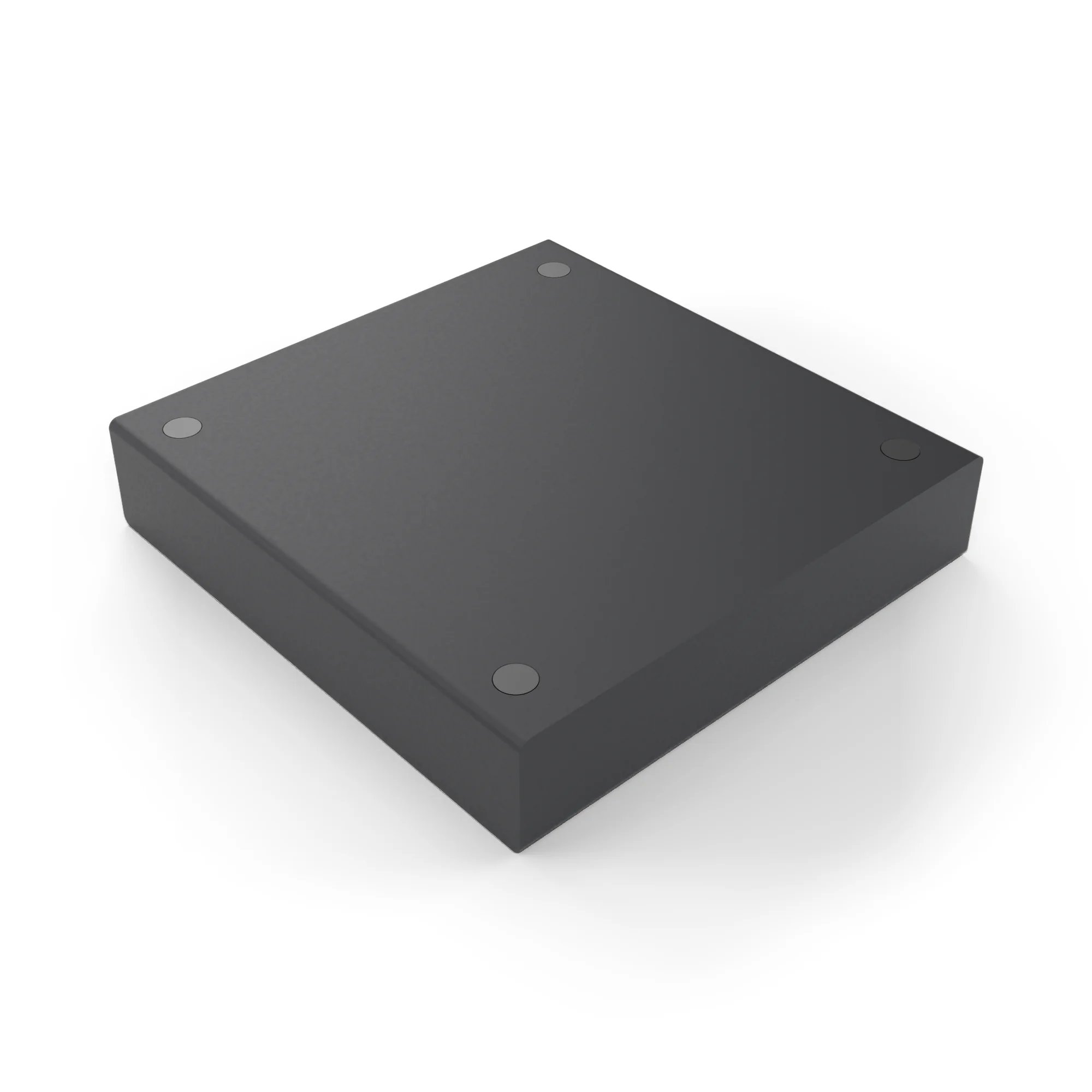
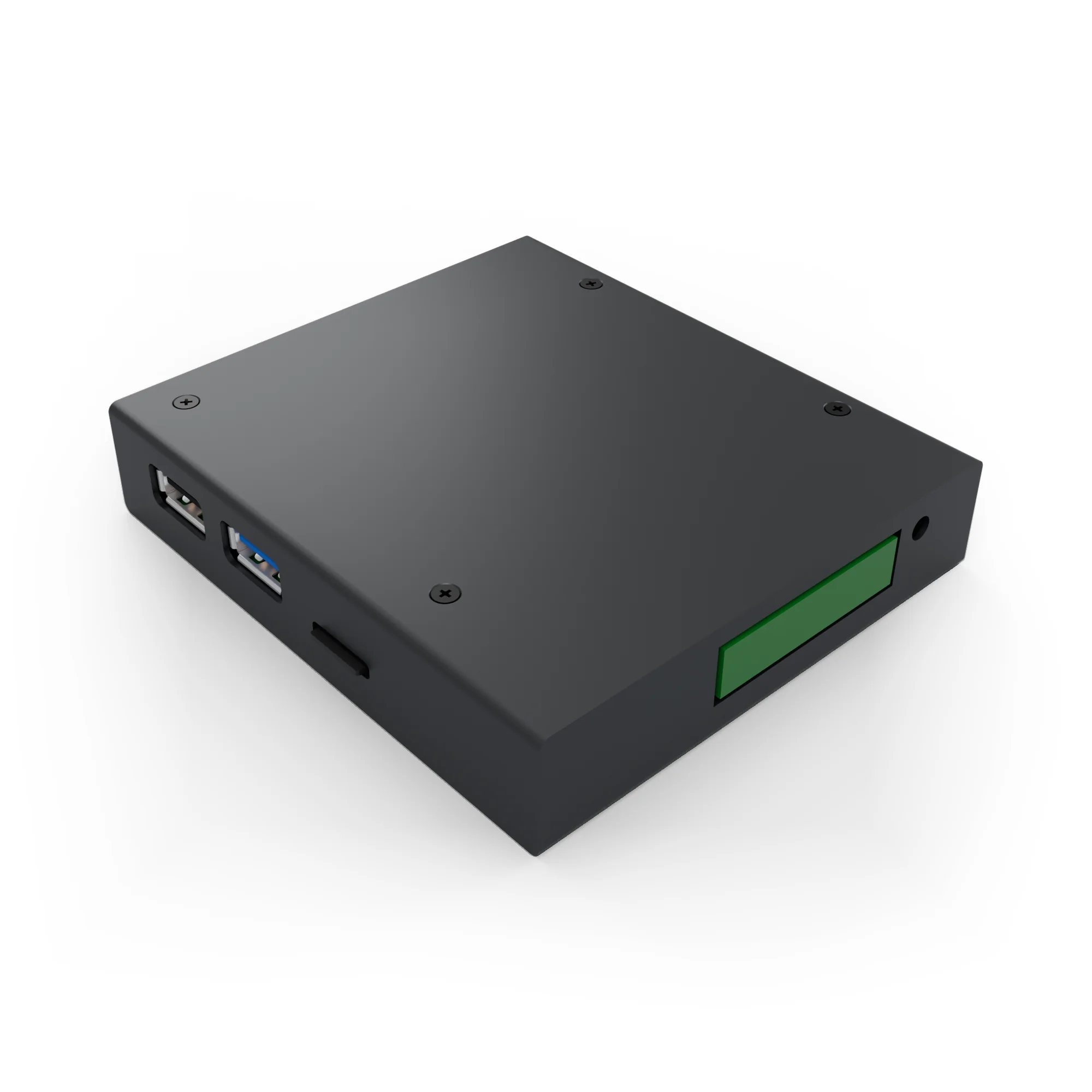
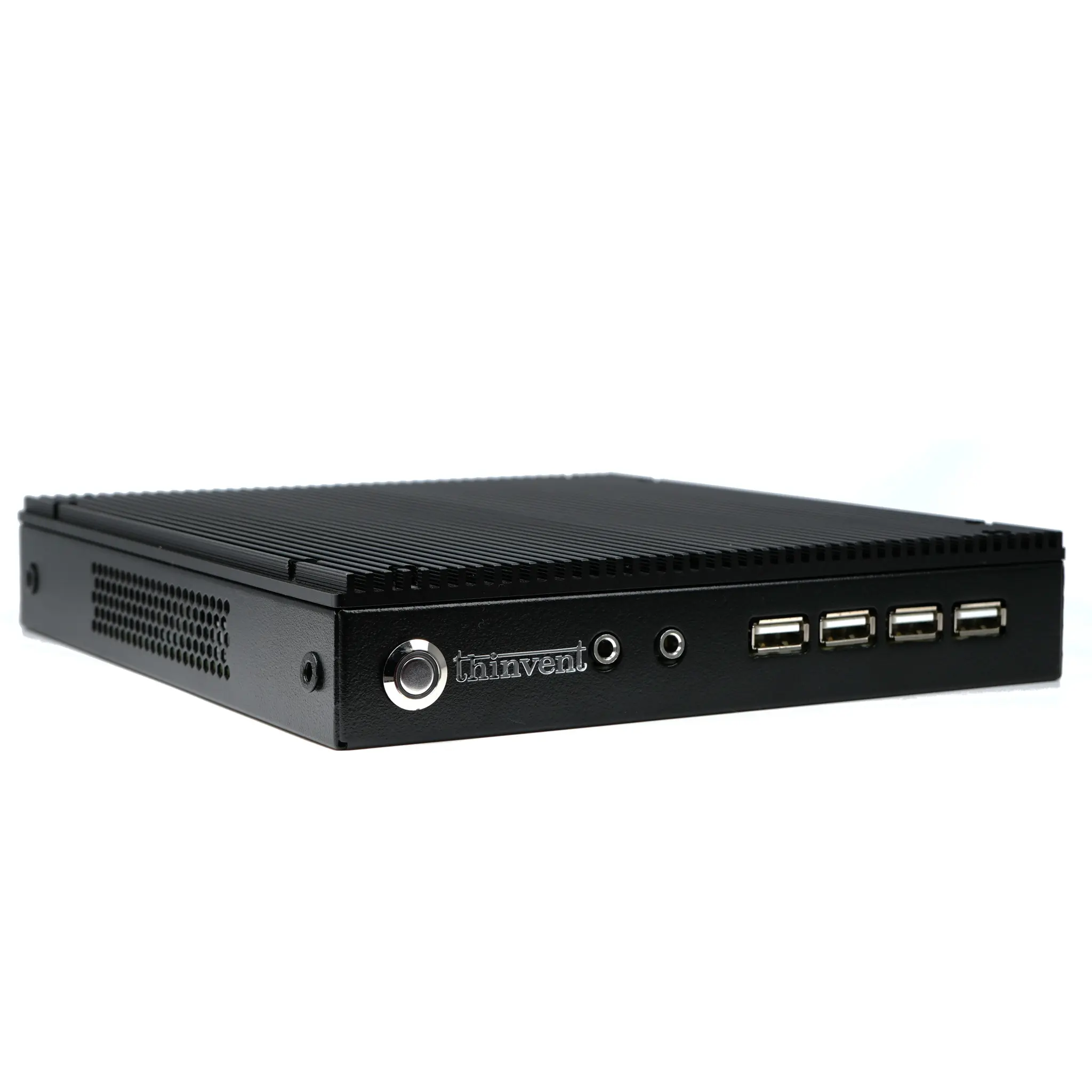
Fanless computers are industrial-grade systems designed to operate without any internal moving cooling parts, such as fans. Instead, they rely on passive cooling techniques, typically using advanced heat sinks and chassis designs to dissipate heat. This fundamental design choice eliminates common points of failure, making them exceptionally reliable for continuous operation in demanding environments.
Key Specifications and Technical Advantages
The core technical principle involves using low-power, high-efficiency processors and a meticulously engineered thermal solution. The entire chassis often acts as a large heat sink. Key specifications that enable fanless operation include:
-
Low-TDP Processors: Utilizing processors with a low Thermal Design Power (TDP), such as Intel's N-series or certain U-series CPUs, which generate minimal heat.
-
Rugged Construction: Typically housed in all-metal, unibody enclosures for superior heat conduction and physical durability.
-
Wide Temperature Range: Engineered to operate reliably in extended temperature ranges, often from -20°C to 60°C or beyond.
-
Silent Operation: Produces 0 dB of noise from cooling, enabling deployment in noise-sensitive areas.
-
Dust and Debris Resistance: The sealed design prevents dust ingress, a common cause of system failure in industrial settings.
Ideal Use Cases and Applications
The reliability and silence of fanless computers make them ideal for a wide range of applications where traditional PCs would fail or be disruptive.
-
Industrial Automation: On factory floors for machine control, HMI (Human-Machine Interface), and PLC supervision.
-
Digital Signage & Kiosks: In retail, hospitality, and public transportation for 24/7 media playback.
-
Healthcare & Laboratories: For medical imaging stations and diagnostic equipment where silence and cleanliness are critical.
-
Embedded & IoT Gateways: In smart city infrastructure, agricultural monitoring, and energy management systems exposed to the elements.
-
Quiet Office Environments: In libraries, recording studios, or control rooms where ambient noise must be minimized.
Comparison: Fanless vs. Traditional Active Cooling
| Feature | Fanless Industrial PC | Traditional Fan-Cooled PC |
|---|---|---|
| Noise Level | 0 dB (Silent) | Audible fan noise (20-40 dB+) |
| Reliability | Very High (No moving parts to fail) | Lower (Fans are a common failure point) |
| Dust Resistance | Excellent (Sealed enclosure) | Poor (Fans draw in dust and debris) |
| Maintenance | Minimal to none | Requires periodic fan cleaning/replacement |
| Operating Temp Range | Wide (e.g., -20°C to 60°C) | Narrow (typically 5°C to 35°C) |
| Form Factor | Often compact, robust metal design | Varies, often includes vents and grilles |
| Typical Use Case | Harsh, dirty, or silent environments | Standard office/controlled environments |
Thinvent Fanless Computing Solutions
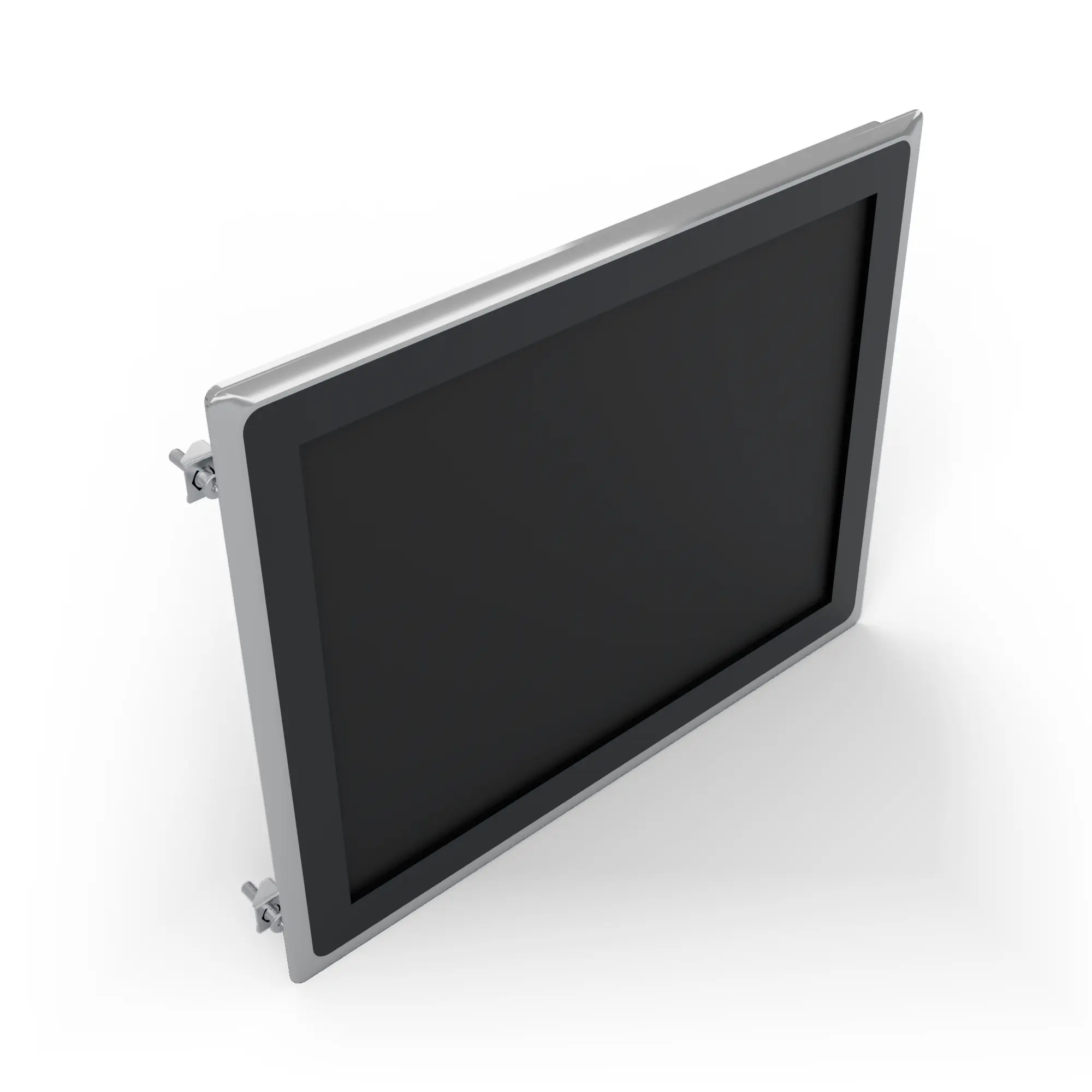
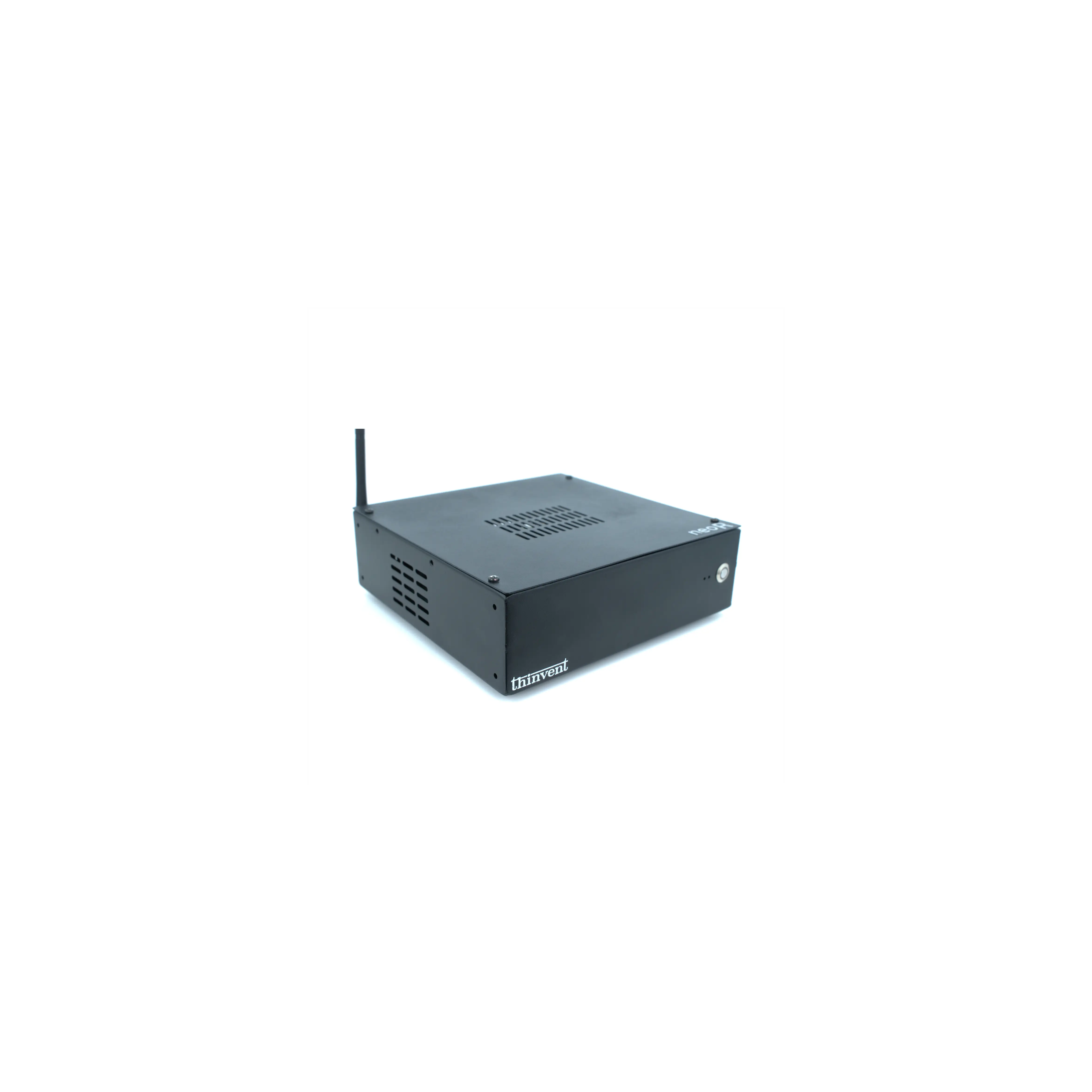
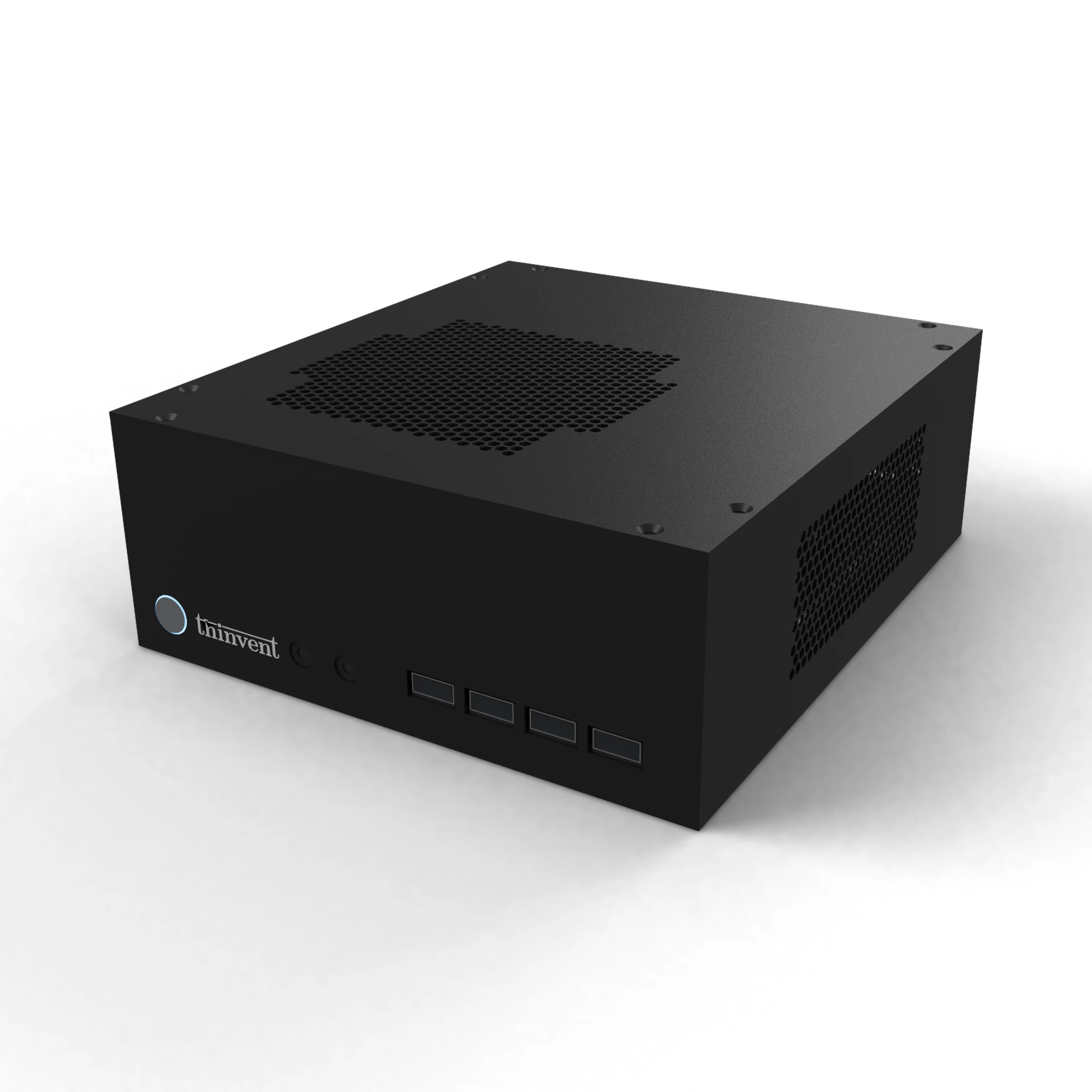
Thinvent specializes in robust, fanless industrial computers built for mission-critical applications. Our product range includes compact Fanless Mini PCs and Fanless Industrial PCs that leverage efficient Intel processors and passive cooling technology. These systems are pre-configured with industrial-grade components, wide-range power inputs, and multiple I/O options to ensure seamless integration into your project. From the energy-efficient Intel N-series for basic control and digital signage to more powerful Core i-series processors for advanced edge computing, Thinvent offers a reliable, silent computing solution for any challenging environment.