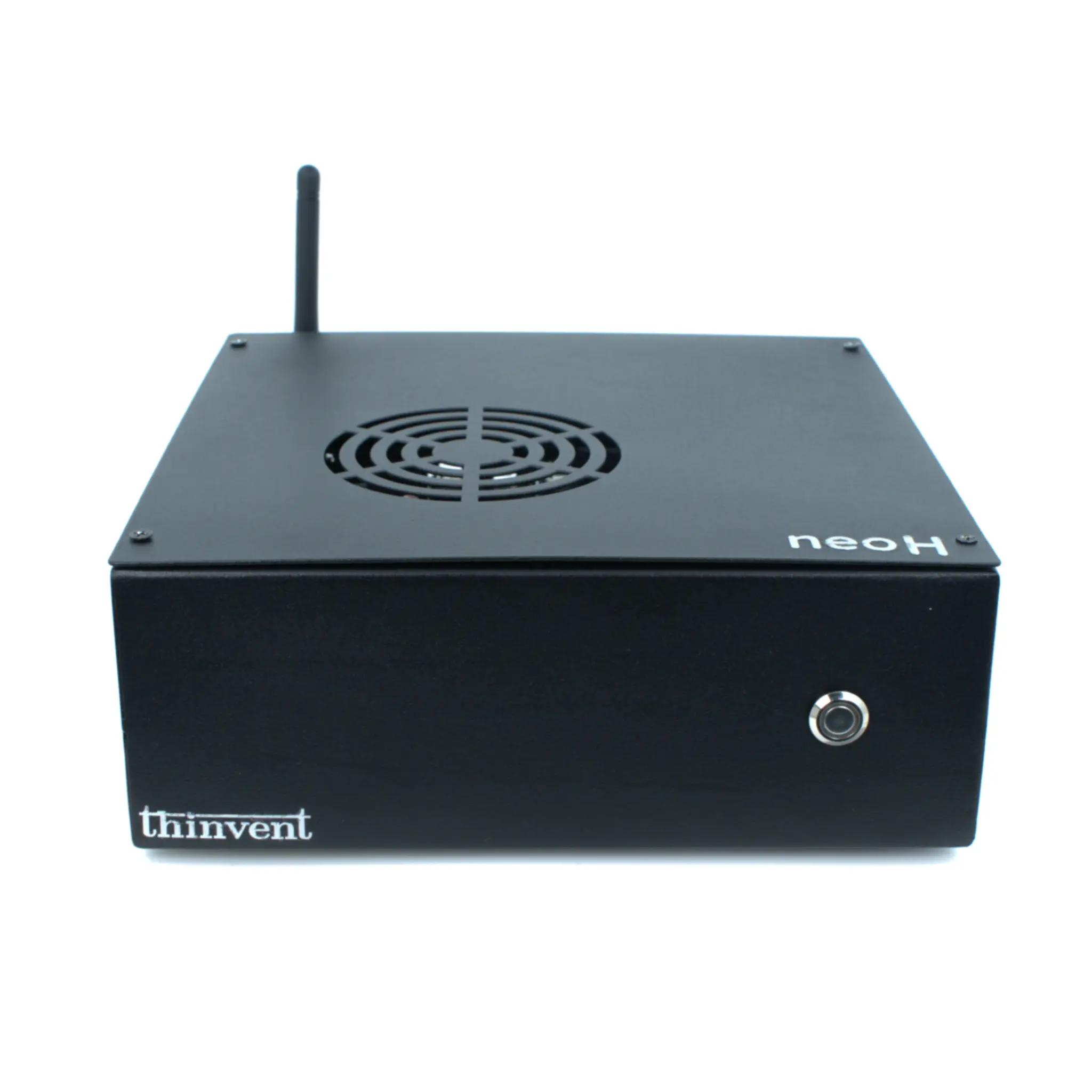
What is a Microsoft NUC?
The term "Microsoft NUC" is a common misnomer for a category of compact, low-power computing devices. It likely refers to the Next Unit of Computing (NUC) form factor, a small-form-factor (SFF) PC standard originally pioneered by Intel. These systems are characterized by their extremely compact size, often fanless or passively cooled designs, and low power consumption. They are not a specific product from Microsoft but represent a versatile hardware platform ideal for embedded and industrial computing tasks where space, reliability, and efficiency are paramount.
Key Specifications and Technical Details
Modern compact PCs in this category typically feature efficient Intel processors from the N-series (like the N100) or low-power U-series CPUs. Key specifications include:
-
Form Factor: Ultra-compact, often measuring just a few inches in each dimension.
-
Cooling: Fanless, passive cooling is standard, eliminating moving parts for silent operation and higher reliability in dusty environments.
-
Processors: Energy-efficient Intel CPUs (e.g., Celeron, Pentium Silver, Core i3) with integrated graphics.
-
Memory & Storage: Support for SODIMM RAM (typically 4GB to 32GB) and M.2 or 2.5" SATA SSDs.
-
Connectivity: Multiple USB ports (including USB-C), HDMI/DisplayPort outputs, and Gigabit Ethernet. Many models offer optional Wi-Fi and Bluetooth.
-
Power: Low-voltage DC input (e.g., 12V), making them suitable for vehicle or kiosk installations.
Use Cases and Applications
These robust mini PCs are engineered for 24/7 operation in demanding environments. Common applications include:
-
Digital Signage & Kiosks: Driving displays in retail, hospitality, and public information systems.
-
Industrial Automation: Acting as a controller or HMI (Human-Machine Interface) on the factory floor.
-
Thin Clients & VDI: Providing secure, centralized desktop access for office and call center environments.
-
Edge Computing: Processing data locally in IoT networks, transportation, and smart city infrastructure.
-
Embedded Systems: Integrated into medical devices, point-of-sale systems, and telecommunications equipment.
Comparison: Key Features for Industrial Use
| Feature | Industrial Compact PC | Standard Desktop PC |
|---|---|---|
| Form Factor | Ultra-compact, wall/VESA-mountable | Large tower or mid-tower |
| Cooling | Fanless, passive heat dissipation | Active cooling with fans |
| Power Consumption | Very low (10W-30W typical) | High (65W-250W+) |
| Operating Temperature | Wide range (often -20°C to 60°C+) | Narrow range (office environment) |
| Shock & Vibration Resistance | Designed and tested for durability | Not typically rated |
| I/O Flexibility | Often includes serial, GPIO, dual LAN | Standard consumer ports |
Thinvent's Industrial-Grade Compact PCs
Thinvent specializes in manufacturing robust, fanless mini PCs that embody the reliability and compactness associated with the NUC form factor, tailored for industrial use. Our Aero series, for example, features the efficient Intel processor N100 in a rugged, fanless chassis designed for continuous operation. These systems come with a variety of operating system options, including Windows 11 IoT/Pro, Ubuntu Linux, and our own Thinux™ Embedded Linux, providing flexibility for different project requirements. Built for global deployment, Thinvent's compact PCs offer the durability, connectivity, and silent operation needed for embedded applications worldwide.