Powerful Mini PCs Featuring Intel Core i7 Processors
Mini PCs equipped with Intel Core i7 processors offer a significant leap in computing power, making them ideal for demanding applications that require robust performance. These compact systems leverage the advanced architecture of Intel's Core i7 series to deliver exceptional speed, multitasking capabilities, and efficient power management. Whether you're running complex simulations, handling large datasets, or requiring smooth multimedia playback, an Intel Core i7-powered mini PC provides the muscle to get the job done without the bulk of a traditional desktop.
Key specifications typically found in these high-performance mini PCs include the Intel Core i7 processor itself, often featuring multiple cores and high clock speeds for rapid processing. They are usually paired with ample amounts of DDR4 or DDR5 RAM (often 16GB or more) to support seamless multitasking and demanding software. Storage solutions typically include fast Solid State Drives (SSDs) for quick boot times and application loading. Connectivity is also a strong suit, with multiple USB ports, high-speed Ethernet, and often support for multiple display outputs.
The versatility of Intel Core i7 mini PCs makes them suitable for a wide array of use cases. They excel in professional environments such as graphic design, video editing, CAD software, and software development. In business settings, they can power interactive kiosks, digital signage, and high-density virtual desktop infrastructure (VDI) environments. For enthusiasts, they serve as powerful home theater PCs, gaming rigs (depending on integrated graphics capabilities), or compact workstations that minimize desk space.
Thinvent Mini PCs with Intel Core i7
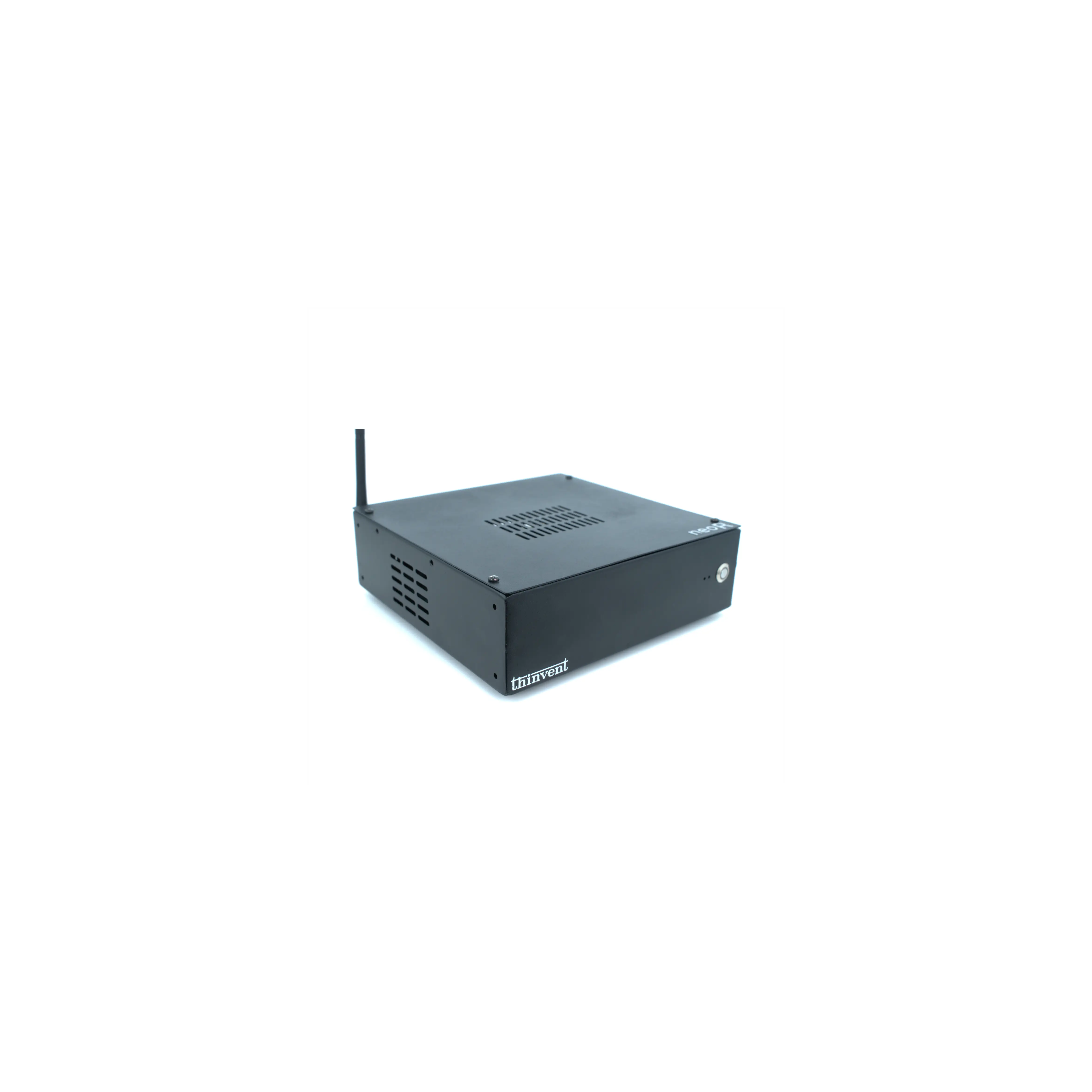
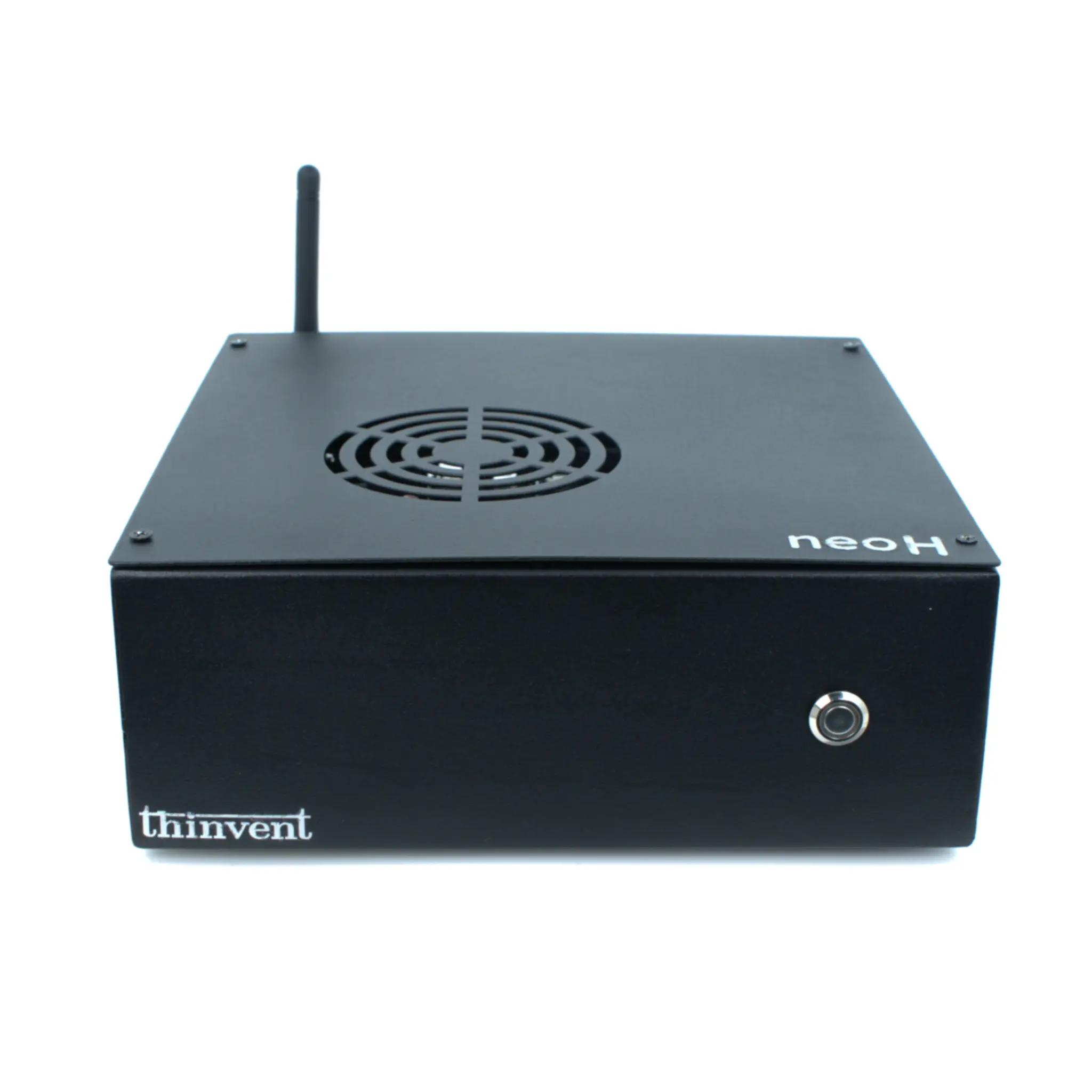
Thinvent offers a range of Mini PCs that integrate the power of Intel Core i7 processors, providing global customers with compact yet potent computing solutions. These models are engineered for reliability and performance, featuring the latest Intel Core i7 CPUs to handle intensive workloads. With ample RAM and fast SSD storage, Thinvent's Core i7 Mini PCs are designed to meet the needs of professionals and power users seeking high performance in a small form factor.
Thinvent Alternatives to Hp
| Hp Mini Desktop I7 (Source 1) | Thinvent Aero Mini PC | |
|---|---|---|
| Processor | Intel® Core™ Ultra 7 265 | Intel® Core™ i7-1255U |
| Cores/Threads | 20 cores, 20 threads | 10 cores (up to 4.7 GHz) |
| RAM (max) | 64 GB | 16 GB |
| Storage | 512 GB SSD | 128 GB |
| Form Factor | Mini Desktop | Mini PC |
View these products:
The Thinvent Aero Mini PC offers a comparable mini desktop form factor and an Intel i7 processor, providing a strong alternative. While the searched HP product features a higher core count and potentially more RAM capacity, the Thinvent Aero Mini PC presents a modern, efficient option for users seeking a compact and capable computing solution.