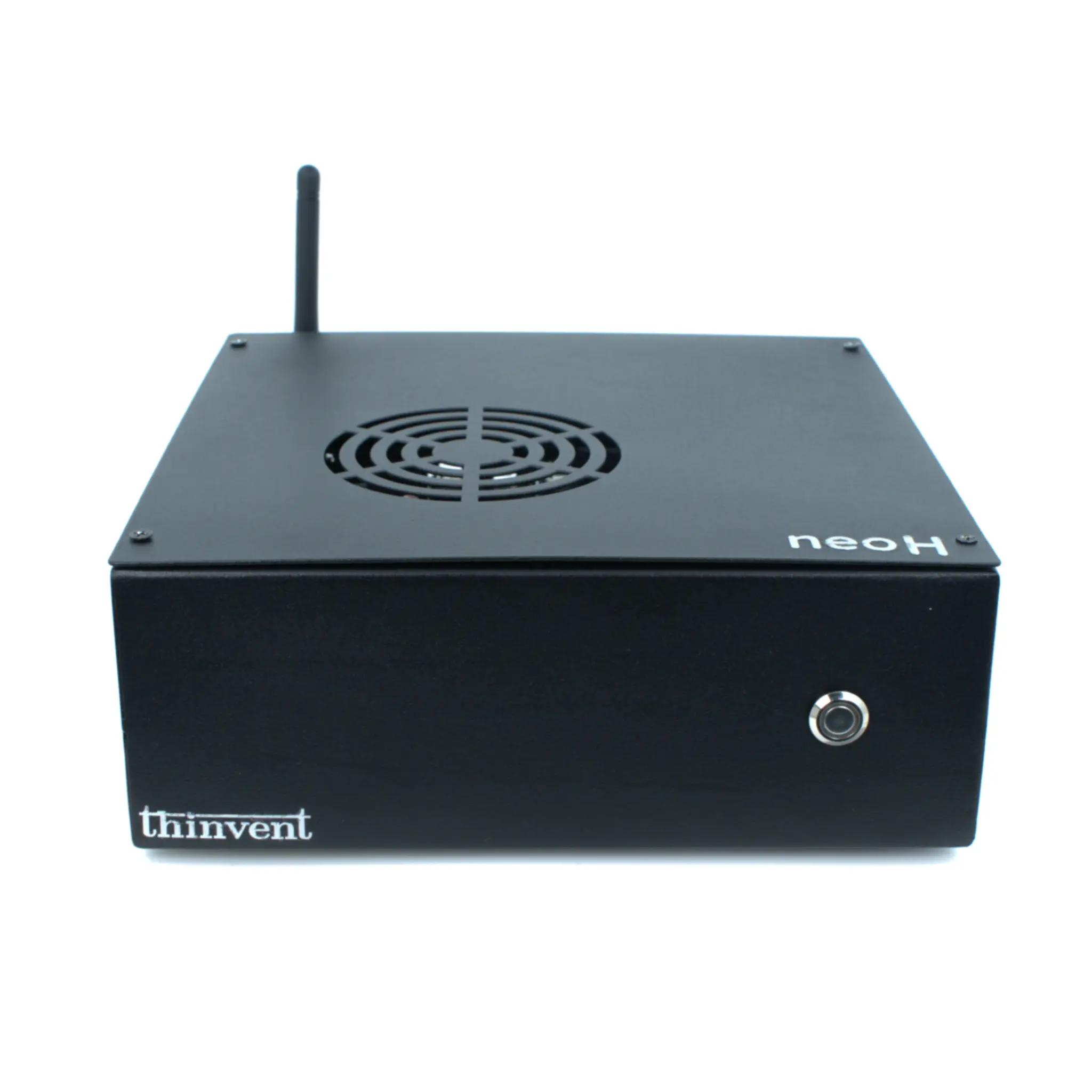
What Are Mini PCs?
A Mini PC is a compact, space-saving desktop computer that provides full computing functionality in a significantly smaller form factor than a traditional tower. These devices are designed for efficiency, often featuring low-power processors, fanless cooling for silent operation, and versatile connectivity options. They are ideal for environments where space is limited, noise must be minimized, or where a reliable, dedicated computing solution is needed for specific tasks.
Key Specifications and Technical Details
Modern Mini PCs, like those powered by Intel's N-series processors, balance performance with energy efficiency. Common specifications include quad-core processors with clock speeds up to 3.4 GHz, integrated Intel UHD Graphics, and support for DDR4 or DDR5 memory. Storage typically involves M.2 SSDs for fast boot times and application loading. A hallmark of industrial-grade Mini PCs is their rugged, fanless design, which eliminates moving parts for greater reliability in harsh environments. Standard connectivity includes multiple USB ports (including USB-C), HDMI/DisplayPort outputs for dual displays, Gigabit Ethernet, and optional Wi-Fi/Bluetooth modules.
Use Cases and Applications
The compact and versatile nature of Mini PCs makes them suitable for a wide range of commercial and industrial applications.
-
Digital Signage & Kiosks: Their small size allows for discreet mounting behind monitors, powering interactive displays, menus, and information points.
-
Office Productivity: Perfect as a primary workstation for general office tasks, web browsing, and document processing, freeing up desk space.
-
Edge Computing & IoT Gateways: The fanless, rugged build allows deployment in factories, retail stores, or outdoor locations to collect and process data locally.
-
Thin Client & VDI: Can be configured as a secure endpoint for accessing virtualized desktop environments in corporate or educational settings.
-
Home Entertainment: Serves as a compact media center for streaming content, thanks to quiet operation and multimedia support.
Comparison: Mini PC vs. Traditional Desktop
| Feature | Mini PC | Traditional Desktop Tower |
|---|---|---|
| Form Factor | Extremely compact (often palm-sized) | Large, requires significant space |
| Power Consumption | Low (typically 10W-65W TDP) | High (65W+ TDP for CPU alone) |
| Noise Level | Silent (fanless models) or very quiet | Audible fan noise under load |
| Upgradability | Limited (often RAM & SSD only) | Highly upgradable (GPU, RAM, storage, etc.) |
| Deployment | Easy to mount/hide; ideal for fixed-function | Stationary, best for dedicated desk setups |
| Typical Use Case | Space-constrained, embedded, commercial | High-performance gaming, workstations |
Thinvent Mini PC Solutions
Thinvent offers a robust lineup of industrial-grade Mini PCs designed for reliability and continuous operation. Our Aero series, for example, features efficient Intel processors like the N100, housed in a durable, fanless chassis. These systems come pre-configured with ample DDR4 RAM and fast SSD storage, supporting a variety of operating systems including Windows 11 IoT, Windows 11 Pro, and Linux distributions like Ubuntu. Built for global deployment, Thinvent Mini PCs are engineered to deliver consistent performance in digital signage, office automation, and edge computing applications worldwide.