What Is Network Attached Storage (NAS)?
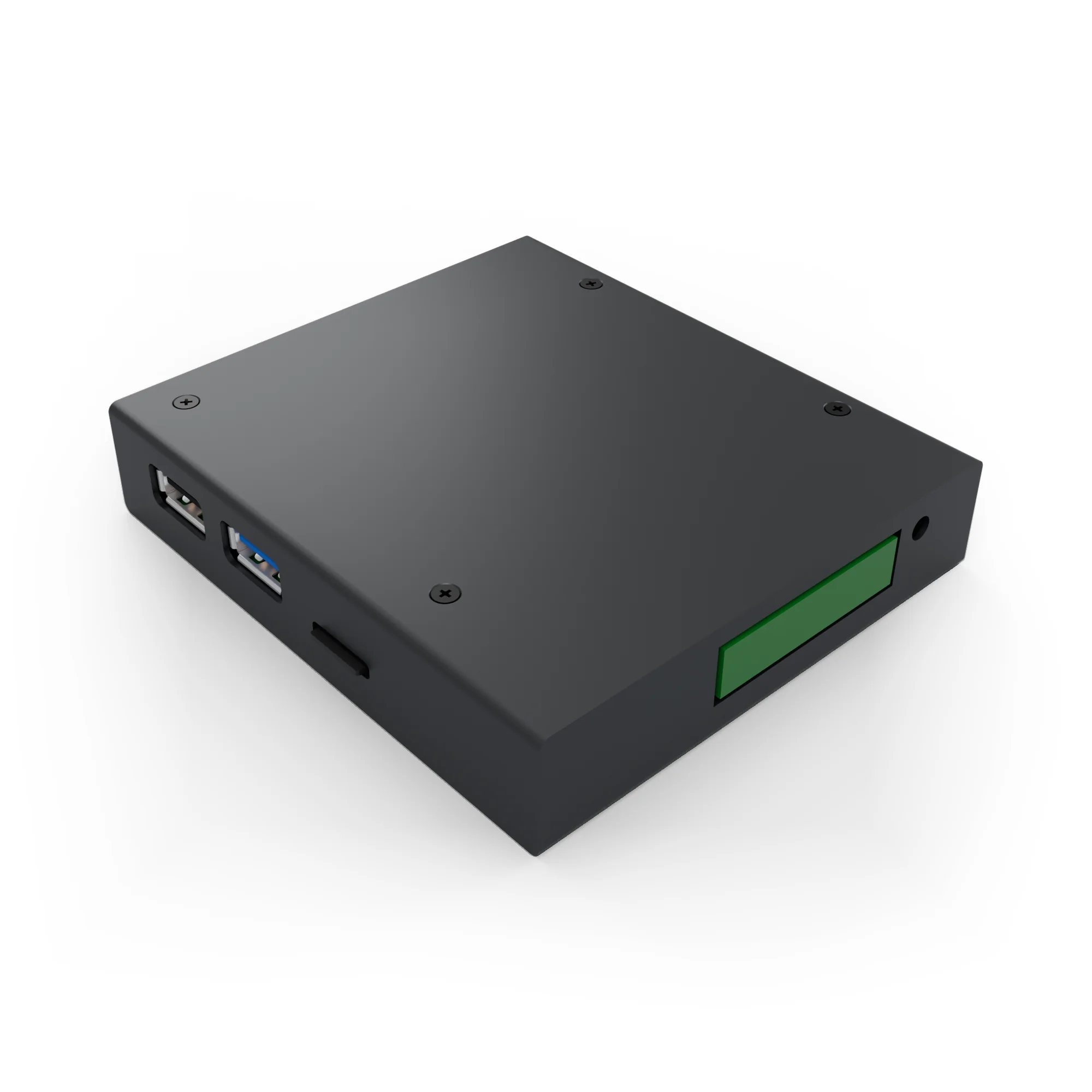
Network Attached Storage (NAS) is a dedicated file-level data storage device connected to a network that provides data access to a heterogeneous group of clients. Unlike direct-attached storage, a NAS appliance runs its own lightweight operating system and serves files over standard network protocols such as SMB/CIFS, NFS, and AFP. A compact, integrated NAS combines the storage drives, the controller, and the network interface into a single self-contained unit — making shared storage simple to deploy in offices, labs, and industrial environments without a separate server room.
Key Specifications and Technical Details
When evaluating a compact NAS or a NAS-capable industrial computer, these are the specifications that matter most:
| Specification | Typical Range | Why It Matters |
|---|---|---|
| Processor | Intel Celeron, N-series, or Core i3 | Handles file serving, RAID parity, and concurrent clients |
| Memory | 8–32 GB DDR4 | Caching and multi-user throughput |
| Storage | 256 GB – multiple TB SSD | Capacity and read/write speed |
| Network | Gigabit Ethernet, dual ports | Throughput and link redundancy |
| Cooling | Fanless or active | Dust tolerance and silent operation |
| OS | Linux, Windows, or embedded OS | Protocol support and management tools |
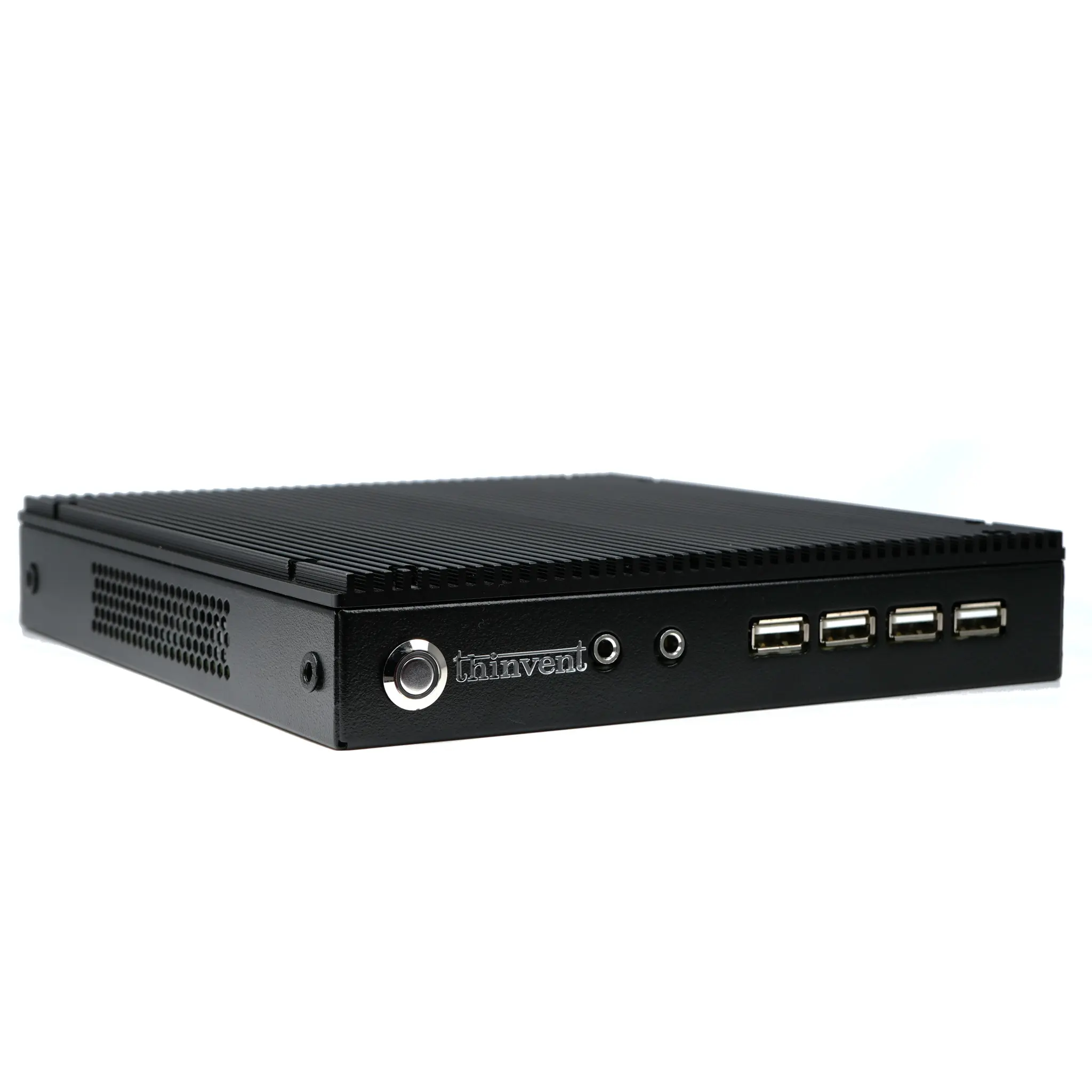
A reliable NAS should offer redundant networking, support for RAID or software-defined storage, and an operating system that can be managed remotely. Fanless designs are especially valued in dusty or high-temperature settings because they eliminate moving parts that draw in contaminants.
Use Cases and Applications
Compact, integrated NAS systems serve a wide range of roles: centralized file sharing for small and medium businesses, backup targets for workstations and servers, media libraries, surveillance video archiving, and edge data collection in industrial settings. In manufacturing and utility environments, a rugged NAS-class device can log sensor data, host configuration files for PLCs, and provide a shared repository that survives power interruptions and vibration. Because these units consume little power and need no dedicated cooling infrastructure, they can be deployed on a DIN rail, in a control cabinet, or on a shop-floor shelf.
Choosing Between a Dedicated NAS and a NAS-Capable Industrial PC
Dedicated consumer NAS boxes are convenient but often limited in expansion, I/O, and environmental tolerance. A NAS-capable industrial computer offers the flexibility of a general-purpose platform: you choose the operating system, install the storage software of your choice (such as OpenMediaVault, TrueNAS, or Samba on Linux), and gain serial ports, dual Ethernet, and wide-temperature operation. This approach is ideal when the storage node must also run other services — a database, an MQTT broker, or a local web dashboard — alongside file sharing.
Thinvent's Products for Network Storage and Edge Server Roles
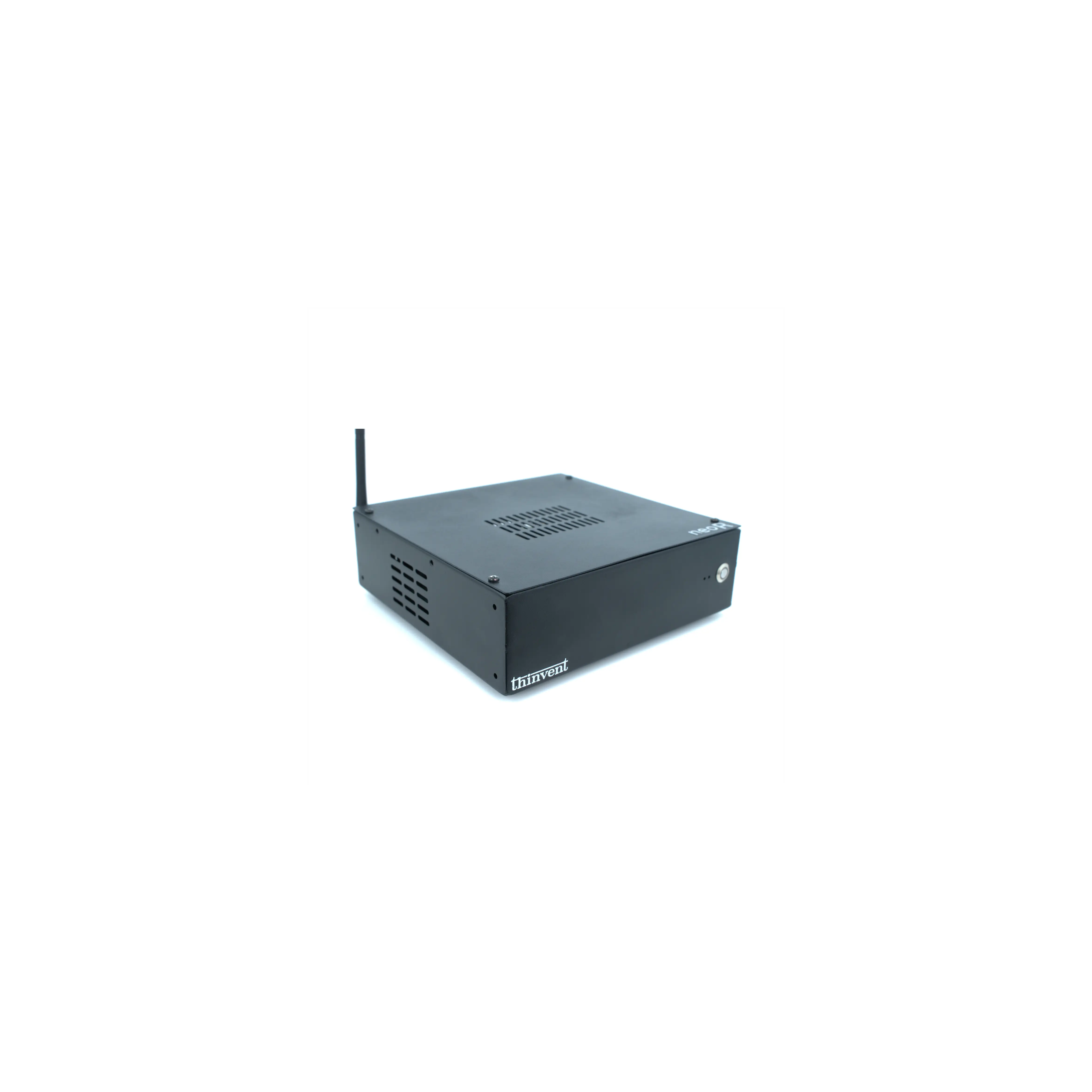
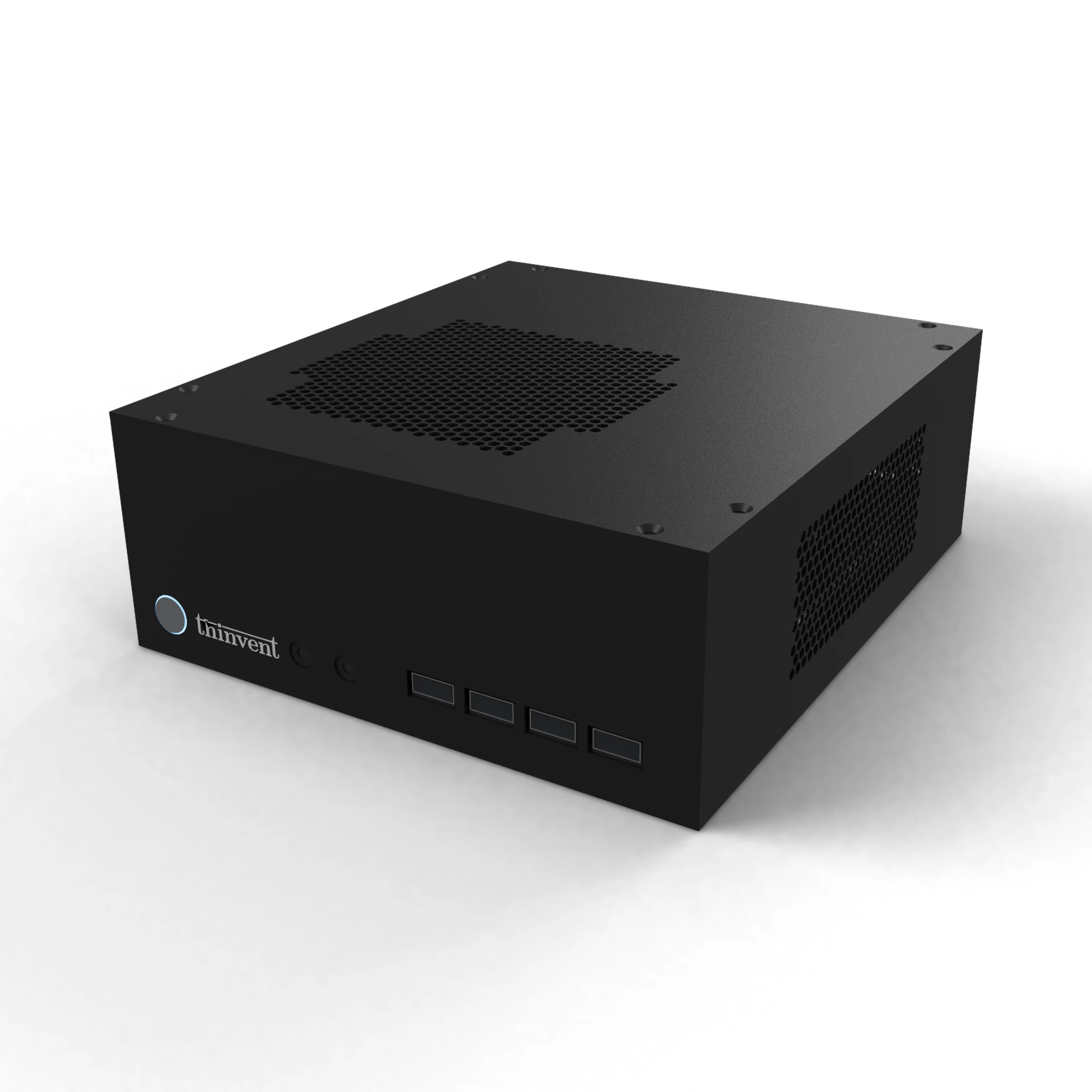
Thinvent's industrial computers and mini PCs are well suited to compact, reliable network storage deployments. Configurations built around Intel® Core™ i3-1215U processors with 16 GB DDR4 RAM and 1 TB SSD deliver the performance and headroom needed to run NAS software alongside other edge workloads. Fanless chassis options, dual Gigabit Ethernet, and support for Windows 11 Pro, Windows 11 IoT, Ubuntu Linux, and Thinux™ Embedded Linux give integrators the freedom to build the storage node that fits their environment. Whether you need a quiet office file server or a dust-tolerant edge storage appliance, Thinvent's range provides a dependable hardware foundation.