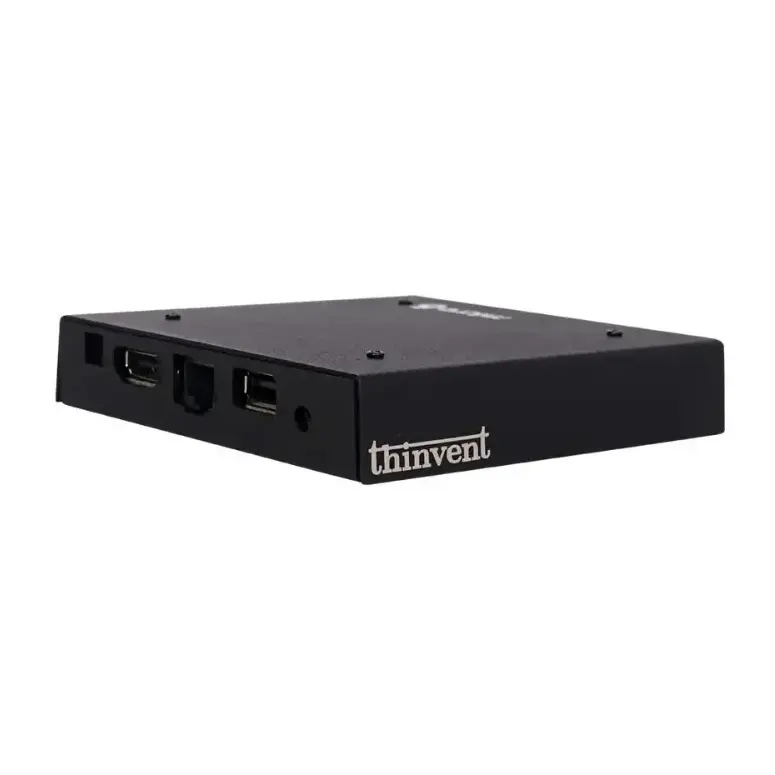
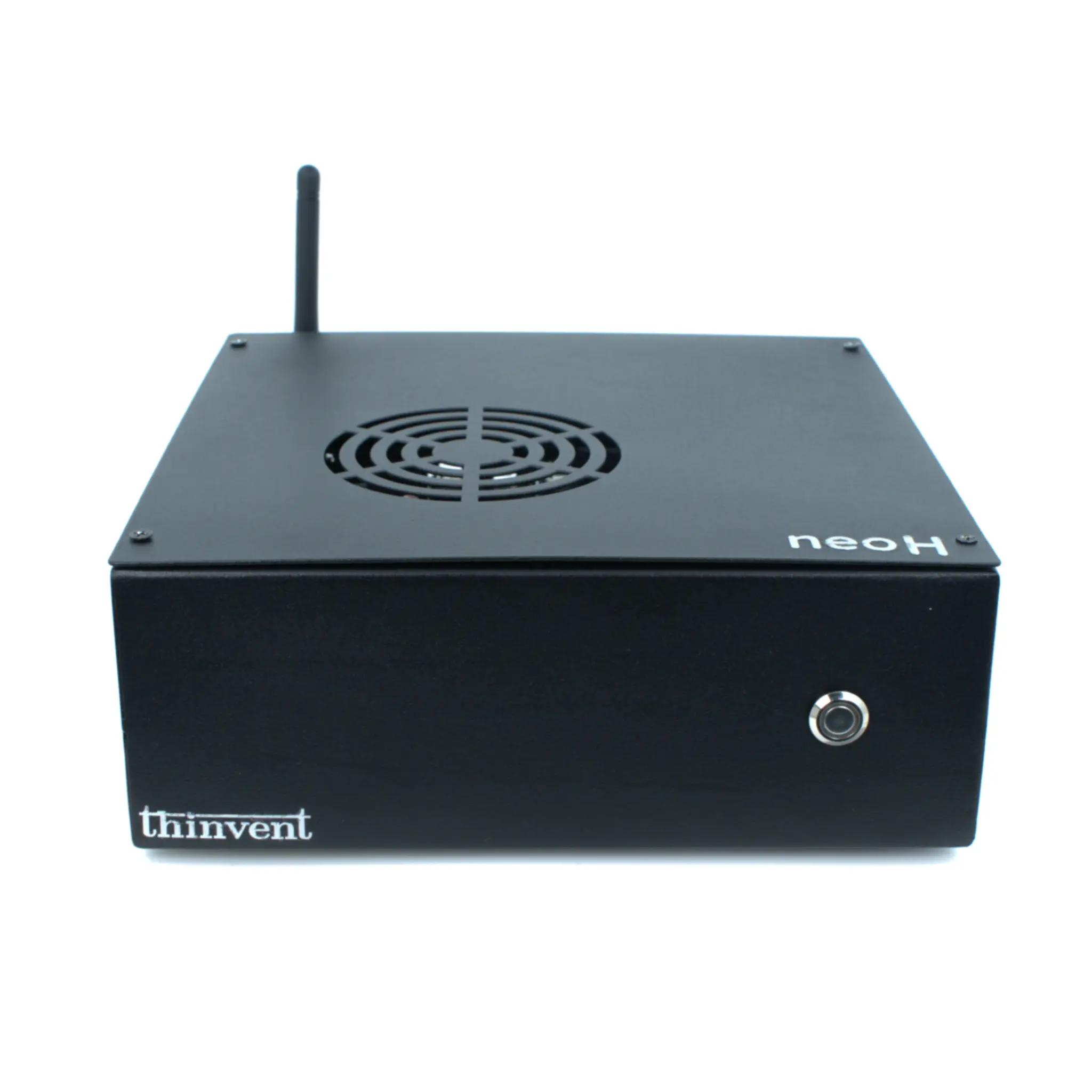
A Network Attached Storage (NAS) box is a dedicated file storage device connected to a network, allowing multiple users and client devices to retrieve data from centralized storage. Unlike a general-purpose server, a NAS is optimized for file serving, data backup, and media streaming, often running a lightweight, specialized operating system. For industrial and commercial applications, a NAS built on a robust computing platform provides superior reliability, data integrity, and remote management capabilities compared to consumer-grade units.
Key specifications for an effective NAS solution center on connectivity, storage, and processing power. Essential features include multiple Gigabit Ethernet ports for link aggregation and failover, support for multiple SATA or NVMe drives (often via internal bays or expansion), and sufficient RAM for caching and running services. A fanless, low-power processor is ideal for 24/7 operation, ensuring silent performance and high reliability in demanding environments. Operating system support for Linux or specialized NAS OSes like TrueNAS or OpenMediaVault is also critical.
Primary Use Cases and Applications:
-
Business File Server: Centralized storage for documents, projects, and shared resources within a small office or department.
-
Surveillance Video Recording (NVR): Reliable, high-capacity storage for IP camera footage with continuous write operations.
-
Media Streaming Hub: Hosting personal media libraries for streaming to TVs, phones, and tablets via Plex, Jellyfin, or Emby.
-
Automated Backup Repository: Serving as a primary target for automated backups from workstations and servers.
-
Lightweight Application Hosting: Running containerized applications like Nextcloud, Pi-hole, or home automation servers.
Choosing a Platform: ARM vs. Intel | Feature | ARM-Based NAS | Intel-Based NAS | | :--- | :--- | :--- | | Power Efficiency | Excellent, very low TDP | Good to Very Good (especially N-series) | | Processing Profile | Sufficient for basic file serving & media streaming | Superior for encryption, transcoding, & multi-tasking | | Software Compatibility | May be limited; depends on OS/distro support | Broad support for most NAS software and virtualization | | I/O & Expansion | Often limited onboard SATA/USB | Typically more SATA ports, PCIe for expansion cards | | Ideal For | Lightweight, always-on file sharing at low cost | Power users, Plex transcoding, business applications |
Thinvent NAS-Optimized Computing Platforms
Thinvent's industrial and mini PCs provide an excellent foundation for building a reliable, high-performance NAS. Our fanless designs ensure silent, 24/7 operation perfect for office or home environments. Models featuring Intel processors like the N100 or Core i3/i5 series offer the horsepower needed for real-time media transcoding, fast encryption, and running multiple services. With multiple Gigabit Ethernet ports, ample USB 3.2 Gen 2 ports for external storage expansion, and support for Linux operating systems, our systems can be easily configured with popular NAS software. For cost-sensitive deployments requiring basic file serving, our ARM-based platforms offer exceptional power efficiency. Whether you need a compact mini PC for a small office or a more robust industrial PC for a surveillance NVR, Thinvent has a scalable hardware solution to meet your network storage needs.