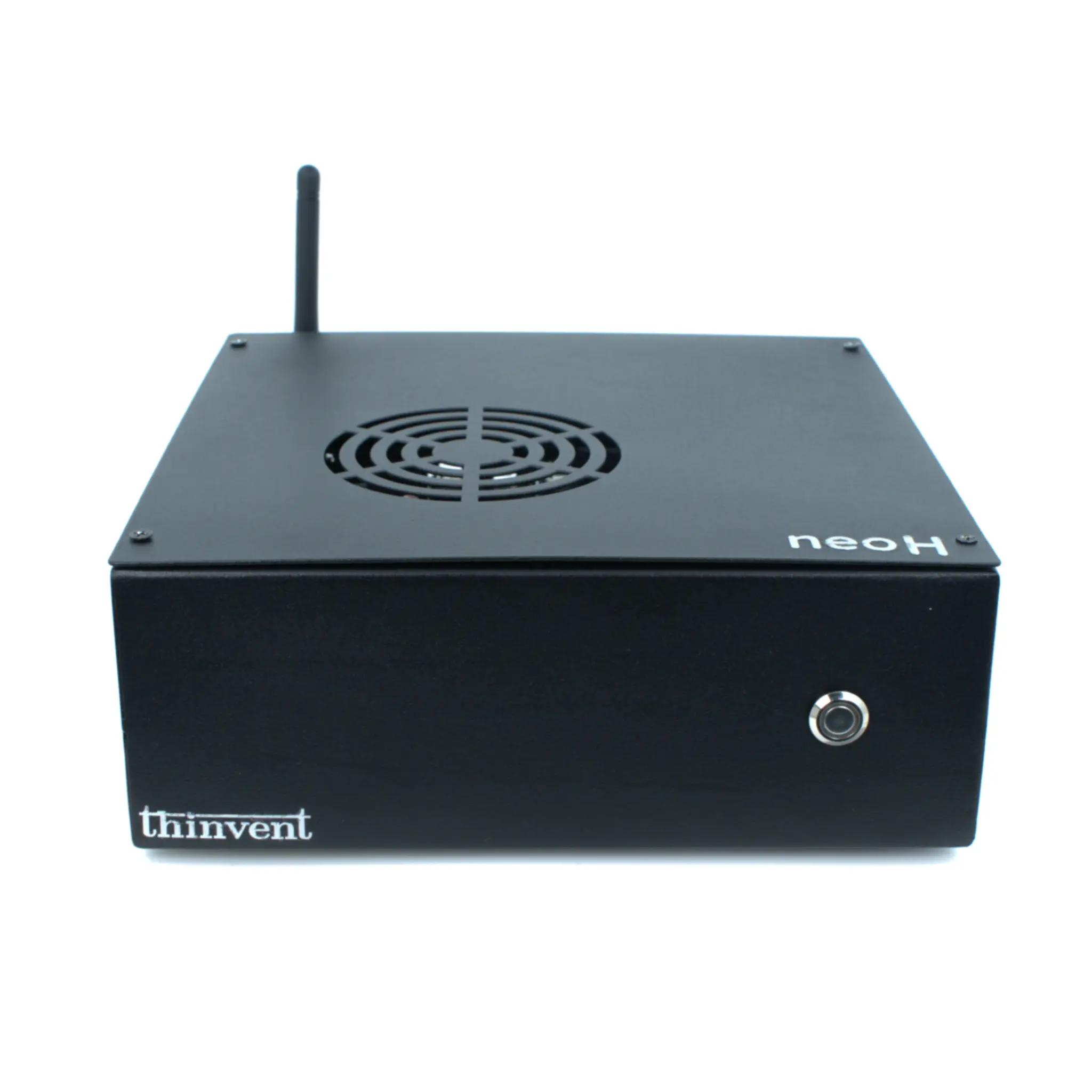
Understanding High-Performance NAS
A Network Attached Storage (NAS) box is a dedicated file-level storage device connected to a network, enabling multiple users and client devices to access and share data from a centralized location. High-performance NAS solutions go beyond basic file sharing, offering robust processing power, ample memory, and fast connectivity to handle demanding workloads such as 4K video editing, virtualization, database hosting, and large-scale backups. Key differentiators include multi-core processors (Intel Core i5/i7 or Xeon), generous RAM (16GB or more), and multiple Gigabit Ethernet or 10GbE ports for high-speed data transfers.
Key Specifications for High-Performance NAS
When selecting a high-performance NAS, consider the following specifications:
-
Processor: A powerful CPU is essential for handling concurrent user requests, running applications (like Plex media server or Docker containers), and managing RAID calculations. Look for Intel Core i5 or i7 processors with 6+ cores.
-
Memory (RAM): 16GB or more is recommended for multitasking and running virtual machines. ECC (Error-Correcting Code) RAM is preferred for data integrity in enterprise environments.
-
Storage: Support for multiple drive bays (4-bay or more) with hot-swappable SATA or NVMe SSDs. RAID configurations (RAID 5, 6, or 10) provide redundancy and performance.
-
Connectivity: Dual or quad Gigabit Ethernet ports for link aggregation, or 10GbE for ultra-fast transfer speeds. USB 3.2 Gen 2 and USB-C ports for external backups.
-
Operating System: A dedicated NAS OS (like TrueNAS, Unraid, or Synology DSM) or a robust Linux distribution optimized for storage.
Use Cases and Applications
High-performance NAS solutions serve a variety of professional and home environments:
-
Media Production: 4K/8K video editing teams require fast, shared storage with low latency. A NAS with 10GbE and NVMe caching can stream multiple high-bitrate streams simultaneously.
-
Virtualization: Hosting multiple VMs (e.g., using VMware or Proxmox) demands a powerful CPU and ample RAM. The NAS acts as a hyperconverged storage and compute node.
-
Data Backup & Archiving: Centralized backup for multiple workstations and servers, with features like snapshots, replication, and cloud sync.
-
Home Media Server: Running Plex, Jellyfin, or Emby to stream media to TVs, phones, and tablets, with real-time transcoding requiring a capable processor.
-
Surveillance: Recording and storing IP camera footage 24/7, with motion detection and remote access.
Comparison: Entry-Level vs. High-Performance NAS
| Feature | Entry-Level NAS | High-Performance NAS |
|---|---|---|
| Processor | Intel N100 / ARM Cortex | Intel Core i5/i7 / Xeon |
| RAM | 4-8 GB | 16-64 GB |
| Drive Bays | 1-2 | 4-12+ |
| Network | 1x Gigabit | 2-4x Gigabit or 10GbE |
| Use Cases | Home file sharing, light media streaming | Video production, virtualization, enterprise backup |
Thinvent's High-Performance NAS Solutions
Thinvent offers a range of industrial-grade mini PCs and thin clients that are ideal for building custom high-performance NAS solutions. Our Intel Core i5 and i3-based models, such as the Thinvent® Aero Mini PC with Core i5-120U (10 cores, up to 5.0 GHz) and Thinvent® Industrial PC IPC5 with Core i5-1240P (12 cores, up to 4.4 GHz), provide the processing power needed for demanding NAS workloads. These systems feature 16GB or more of DDR4 RAM, fast SSD storage, and multiple USB and Ethernet ports for connectivity. When paired with a dedicated NAS operating system and external drive enclosures, they become powerful, compact, and reliable storage servers suitable for both professional and home environments.