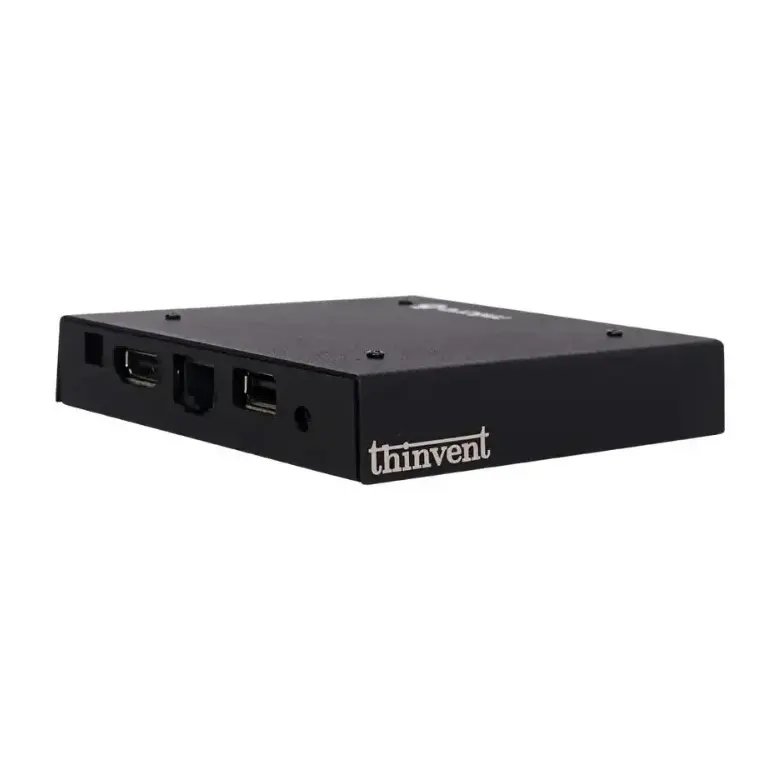
A network storage drive, often called a NAS (Network Attached Storage), is a dedicated device or computer connected to a network to provide centralized data storage and file sharing. For a robust and reliable NAS solution, a specialized industrial computer is often preferred over consumer-grade hardware. These systems act as the core server, running NAS software like TrueNAS, OpenMediaVault, or Unraid to manage storage arrays, user permissions, and data redundancy.
Key Specifications for a NAS Computer
The ideal computer for a network storage drive prioritizes reliability, efficient data throughput, and low power consumption in a 24/7 operating environment. Key technical considerations include:
-
Processor: A modern, low-power CPU like an Intel N-series (e.g., N100) or Celeron is sufficient for file serving and running basic services. For more intensive tasks like media transcoding or running multiple virtual machines, an Intel Core i3 or i5 is recommended.
-
Memory (RAM): 8GB is a good starting point for basic file sharing. 16GB or more is advisable for running additional applications, Docker containers, or enabling advanced file system caching (ZFS).
-
Storage Connectivity: Multiple SATA ports or M.2 slots are crucial for connecting several hard drives or SSDs. Support for RAID configurations (via hardware or software) is essential for data protection.
-
Networking: At least one Gigabit Ethernet (1000) port is standard. For faster network speeds, look for systems with 2.5GbE or dual NICs for link aggregation.
-
Form Factor & Cooling: A compact, fanless industrial PC is ideal. Fanless designs eliminate dust intake and moving parts that can fail, ensuring silent, maintenance-free operation in environments like offices or media cabinets.
Applications and Use Cases
Industrial mini PCs configured as network storage drives are deployed across various sectors:
-
Small Business/Office: Centralized file server for documents, backups, and collaborative projects.
-
Home Media Server: Storing and streaming video, music, and photo libraries to smart TVs, phones, and computers (e.g., using Plex or Jellyfin).
-
Surveillance System Hub: Recording and storing footage from multiple IP security cameras.
-
Development & Lab Environments: Hosting code repositories, test databases, and containerized applications.
Comparison: Entry-Level vs. Performance NAS
| Feature | Entry-Level NAS (File Sharing) | Performance NAS (Media/Apps) |
|---|---|---|
| Typical CPU | Intel N100, Celeron | Intel Core i3, i5 |
| Recommended RAM | 8GB - 16GB | 16GB - 32GB+ |
| Storage Focus | Capacity, RAID 1/5 | Speed & Capacity, RAID 10, NVMe caching |
| Use Case | Basic file storage, backups | Media transcoding, virtualization, databases |
| Networking | 1x Gigabit Ethernet | 2.5GbE or Dual Gigabit with aggregation |
Thinvent Products for Network Storage
Thinvent's range of industrial mini PCs are engineered to be the perfect foundation for a reliable network storage drive. Our fanless systems, like the Aero series, offer the durability, compact size, and connectivity required for 24/7 NAS duty. They feature efficient Intel processors, support for ample RAM and storage drives, and robust Gigabit Ethernet, all within a silent, zero-maintenance chassis. Whether you need a simple backup target or a powerful server for multimedia and applications, Thinvent has a scalable solution to build your custom network-attached storage system.