What Are Open Hardware Single Board Computers?
An Open Hardware Single Board Computer (SBC) is a complete computer built on a single circuit board, where the design files—including schematics, PCB layouts, and bill of materials—are publicly available under a license that permits anyone to study, modify, distribute, make, and sell the design or hardware based on that design. This stands in contrast to proprietary hardware, where the designs are kept secret. The "open" philosophy fosters innovation, customization, and community-driven development, similar to open-source software.
Key Specifications and Technical Details
Open Hardware SBCs typically feature a System-on-a-Chip (SoC) that integrates the CPU, GPU, and memory controller. Common specifications include ARM or RISC-V based processors, onboard RAM (from 512MB to 8GB+), and eMMC or microSD storage. They offer a range of connectivity options such as GPIO (General Purpose Input/Output) pins, USB ports, HDMI, Ethernet, and often Wi-Fi/Bluetooth. The defining technical detail is the availability of complete hardware documentation, allowing for deep-level troubleshooting, custom carrier board design, and long-term sustainability of projects.
Primary Use Cases and Applications
These boards are foundational in education, prototyping, and embedded systems development. They are ideal for:
-
IoT and Edge Computing: Deploying low-power, connected sensors and gateways.
-
DIY Electronics and Maker Projects: Building custom robots, media centers, or home automation systems.
-
Industrial Automation: Serving as a customizable controller in machinery where specific I/O is needed.
-
Education: Teaching computer architecture, electronics, and programming on accessible, transparent hardware.
Open Hardware SBCs vs. Commercial Mini PCs
While both are compact computing solutions, they serve different primary purposes.
| Feature | Open Hardware SBC (e.g., Raspberry Pi, BeagleBone) | Commercial Mini PC / Thin Client |
|---|---|---|
| Core Philosophy | Open design, hackable, community-focused. | Closed, proprietary design optimized for reliability and specific workloads. |
| Primary Use | Prototyping, education, custom embedded applications. | Commercial deployment as a desktop, digital signage player, or thin client. |
| I/O Flexibility | Extensive GPIO, often headers for add-on "HATs" or "Capes." | Standard PC ports (USB, HDMI, Ethernet); no low-level hardware GPIO. |
| Support & Warranty | Community forums, documentation. Commercial support varies. | Professional technical support and standard product warranties. |
| Operating System | Often Linux-based (Raspberry Pi OS, Ubuntu). | Can include commercial Windows licenses or enterprise-ready Linux. |
Thinvent's Approach to Open and Reliable Computing
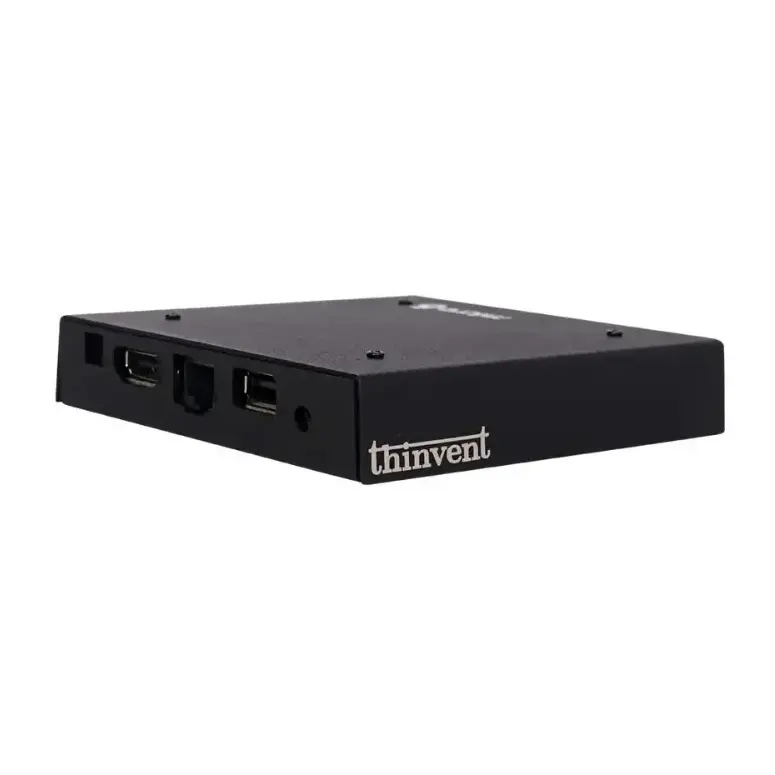
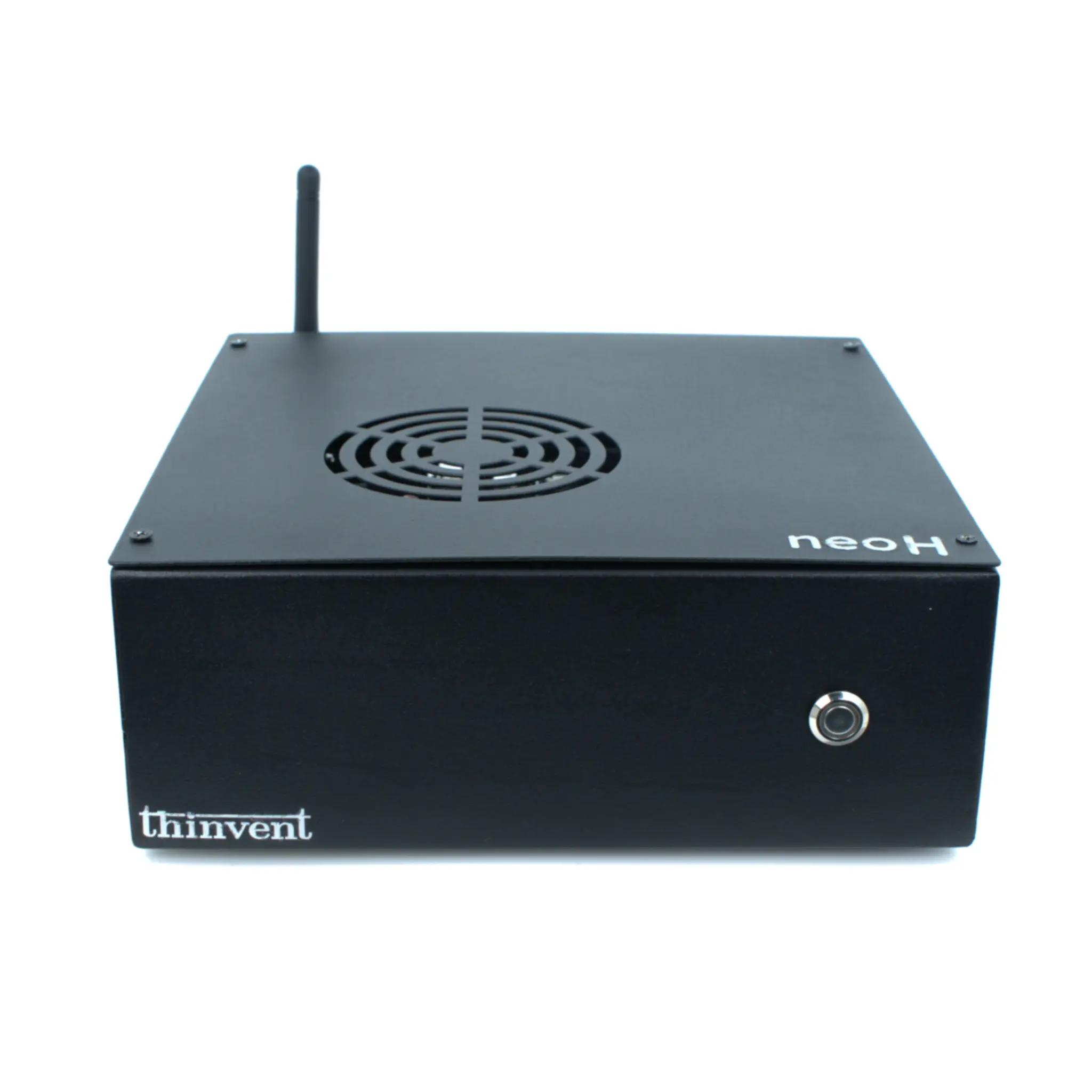
While Thinvent specializes in commercial-grade, fanless industrial computers, mini PCs, and thin clients designed for 24/7 reliability, we share the ethos of flexibility and choice central to the open hardware community. Our products, such as the Thinvent Micro series thin clients, utilize open-source Thinux™ Embedded Linux as an operating system option, providing a stable and customizable software foundation. For users who require the robustness, warranty, and professional support of a commercial product but appreciate the principles of open software, Thinvent devices offer a compelling solution. They are built for deployment in digital signage, kiosks, and office environments where the transparency of an open hardware design is less critical than guaranteed performance and long-term durability.