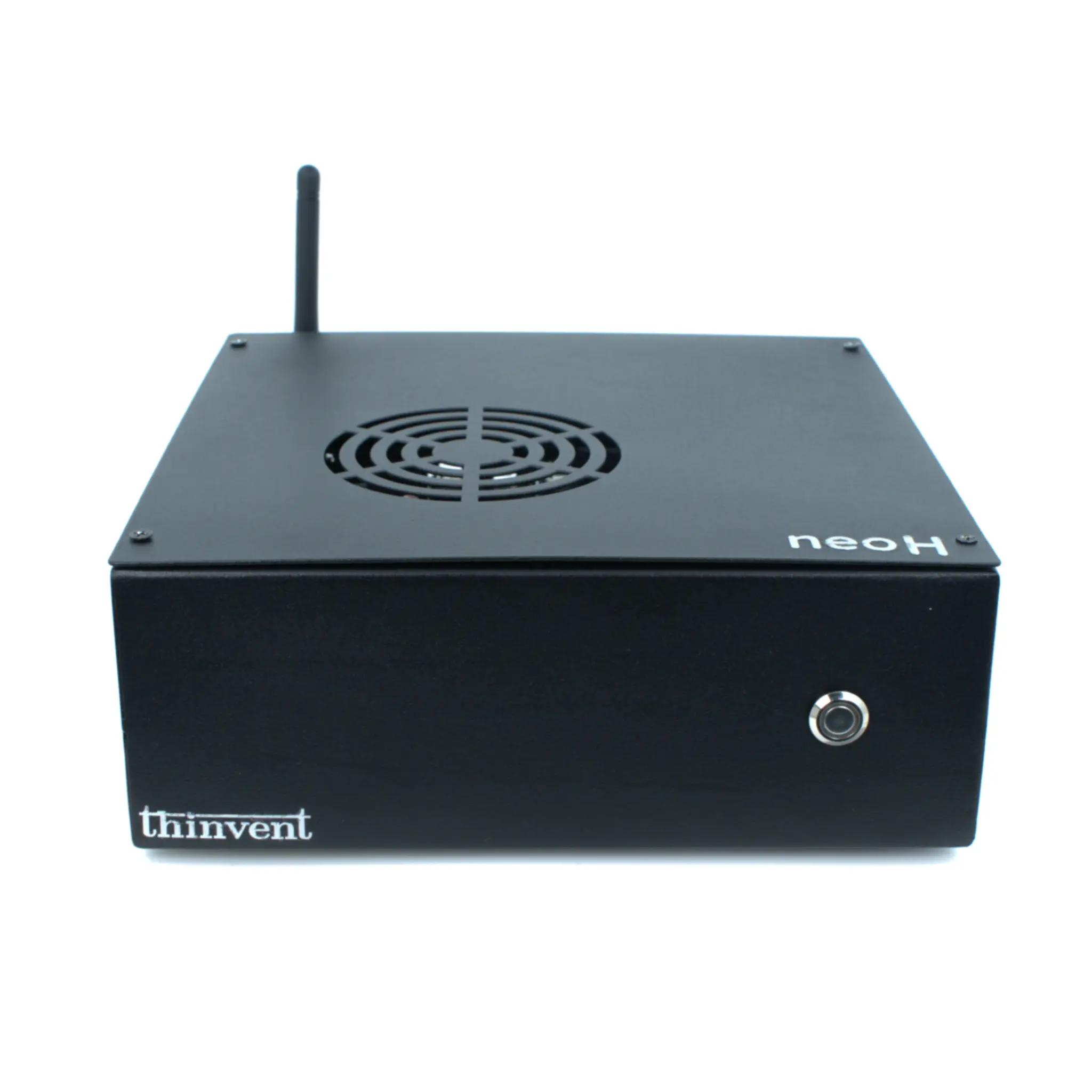
What is an OPS Computer?
An OPS (Open Pluggable Specification) computer is a standardized, modular computing platform designed for seamless integration into digital signage displays, interactive kiosks, and professional AV equipment. It is a compact, slot-in computer that connects directly to a compatible display via a dedicated internal JAE connector, eliminating external cables and creating a clean, integrated appearance. This plug-and-play form factor is ideal for environments requiring reliable, always-on operation with minimal maintenance.
Key Specifications and Technical Details
OPS computers adhere to a strict mechanical and electrical interface standard, ensuring compatibility across different display manufacturers. Key technical specifications include a standardized 180-pin JAE TX25 connector for power, video, audio, USB, and control signals. They typically feature low-power, fanless Intel or ARM processors to ensure silent and reliable operation in enclosed spaces. Common configurations include Intel Celeron, Core i3/i5, or N-series processors, with RAM options from 4GB to 16GB and SSD storage from 128GB to 1TB. Their compact, all-in-one design makes them perfect for space-constrained installations.
Primary Use Cases and Applications
The primary application for OPS computers is in digital signage networks, where they power content playback on screens in retail stores, corporate lobbies, transportation hubs, and restaurants. They are also extensively used in interactive kiosks for wayfinding, self-service ordering, and information points. In education and corporate settings, OPS modules are the backbone of interactive whiteboards and video conferencing systems. Their reliability, ease of management, and cable-free installation make them the preferred choice for large-scale, professional deployments where uptime and aesthetics are critical.
Comparison of Common OPS Form Factors
While the OPS standard defines a common interface, performance varies based on the internal components. Here is a comparison of typical tiers:
| Processor Tier | Typical Use Case | Key Strengths |
|---|---|---|
| Intel N-Series (e.g., N100) | Basic Digital Signage, Simple Kiosks | Ultra-low power, fanless, cost-effective |
| Intel Celeron / i3 | Interactive Kiosks, Multi-zone Signage | Balanced performance for moderate workloads |
| Intel Core i5/i7 | 4K Video Walls, Advanced Interactive Systems | High performance for demanding graphics and processing |
Thinvent OPS and Industrial Computing Solutions
Thinvent offers a range of robust computing solutions perfect for OPS-style applications, including our fanless Mini PCs and Industrial PCs. While not OPS modules in the strictest sense, our compact systems provide the same benefits of reliability, silent operation, and easy integration. For instance, the Thinvent Aero Mini PC with an Intel N100 processor delivers efficient performance for digital signage and kiosk applications in a durable, fanless chassis. Our industrial computers are built to withstand 24/7 operation in diverse environments, offering flexible I/O, wide operating temperature ranges, and multiple mounting options to meet the demands of modern operational technology.