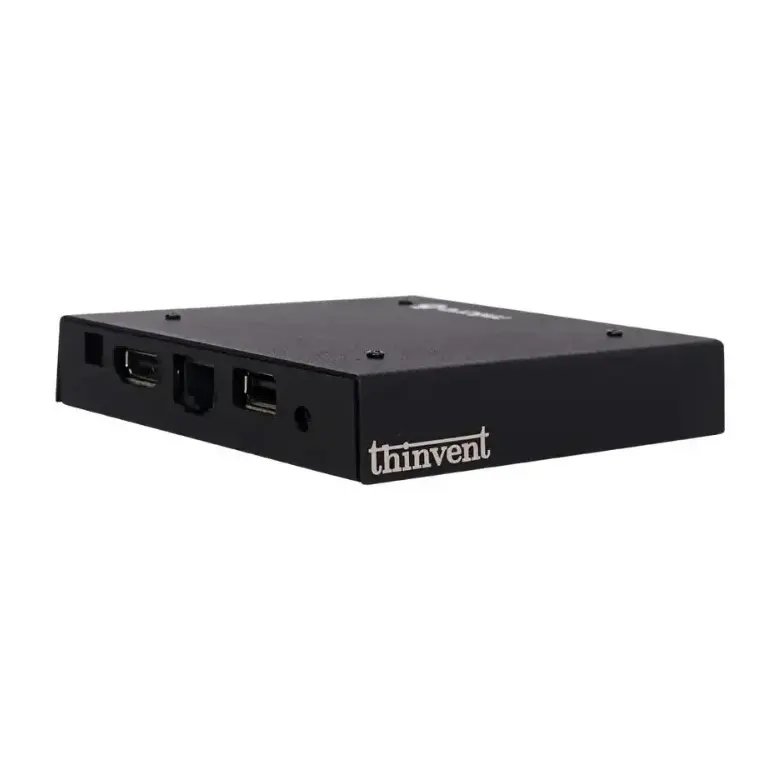
What is an Embedded Computer?
An embedded computer is a specialized, compact computing system designed to perform dedicated functions within a larger mechanical or electronic system. Unlike general-purpose desktop PCs, these devices are engineered for reliability, long-term operation, and integration into specific applications. They are characterized by their small form factor, fanless cooling for silent and dust-resistant operation, wide operating temperature ranges, and robust connectivity options for industrial peripherals.
Key Specifications and Technical Details
Modern embedded PCs prioritize efficiency, durability, and connectivity. Core technical features include:
-
Processors: Low-power, high-efficiency CPUs from Intel's N-series (e.g., N100, N95) or Celeron series, offering a balance of performance and minimal heat generation.
-
Form Factors: Mini PCs, panel PCs, and industrial motherboards that fit into space-constrained environments.
-
Reliability: Fanless, solid-state designs with no moving parts ensure silent operation and high resistance to dust, vibration, and shock.
-
Operating Systems: Support for embedded or lightweight OS versions like Windows 11 IoT, Ubuntu Linux LTS, or custom Linux builds for stability and security.
-
Connectivity: Multiple Ethernet ports (often Gigabit), USB 3.2, serial ports (COM), and digital I/O for connecting sensors, controllers, and displays.
Common Use Cases and Applications
Embedded computers are the backbone of automation and digitalization across industries. Typical applications include:
-
Industrial Automation: Acting as a controller for PLCs, HMIs (Human-Machine Interfaces), and machine vision systems on the factory floor.
-
Digital Signage & Kiosks: Powering interactive displays, information boards, and self-service terminals in retail, transportation, and public spaces.
-
IoT Gateways: Collecting, processing, and transmitting data from sensors and edge devices in smart city, agriculture, and energy management systems.
-
Transportation & Logistics: Used in fleet management, in-vehicle infotainment, and automated guided vehicles (AGVs).
-
Medical Devices: Integrated into diagnostic equipment, patient monitoring systems, and medical imaging devices where reliability is critical.
Comparison of Common Embedded Computer Types
| Feature | Fanless Mini PC | Industrial Panel PC | Rugged Embedded System |
|---|---|---|---|
| Primary Use | General embedded computing, IoT gateway | Human-Machine Interface (HMI), control panel | Extreme environments (outdoor, mobile, high-vibration) |
| Form Factor | Compact, box-style | All-in-one with integrated touchscreen | Reinforced chassis, often with extended I/O |
| Typical Environment | Controlled indoor (racks, kiosks) | Factory floor, retail, clean rooms | Vehicles, outdoor installations, harsh industrial settings |
| Key Advantage | Space-saving, versatile, cost-effective | Integrated display and computing, user-friendly | Maximum durability, wide temperature tolerance |
Thinvent Embedded Computing Solutions
Thinvent offers a comprehensive range of reliable embedded computers designed for demanding industrial and commercial environments. Our product lines, such as the Aero Mini PC series, exemplify the core principles of embedded design. They feature efficient Intel N-series processors in a completely fanless chassis, ensuring silent and maintenance-free operation. Available with a choice of operating systems including Windows 11 IoT, Ubuntu Linux, and FreeDOS, our systems provide the flexibility needed for diverse applications from digital signage and thin clients to edge computing and automation controllers. Built for 24/7 reliability, Thinvent embedded PCs are engineered to deliver consistent performance where it matters most.