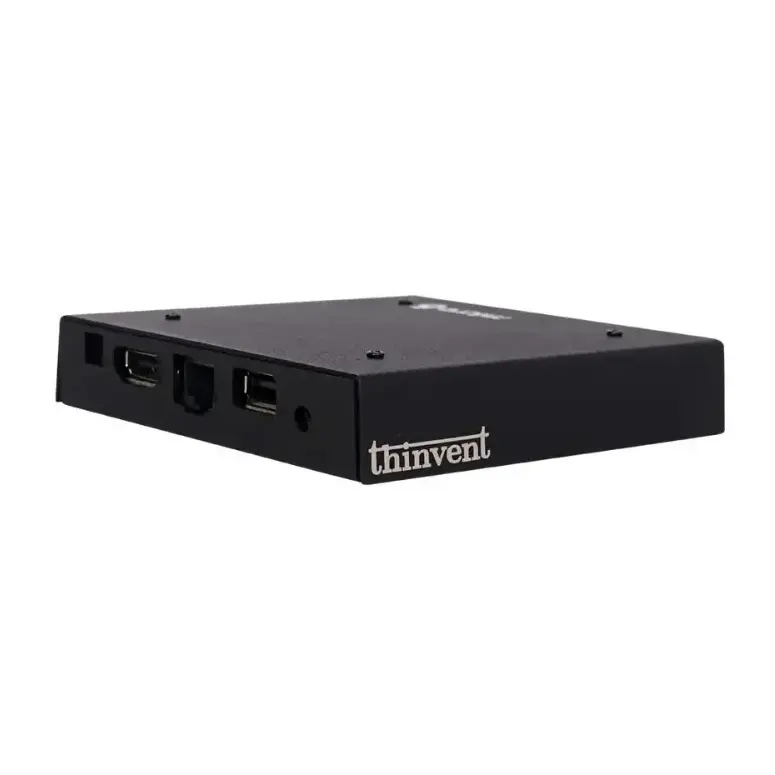
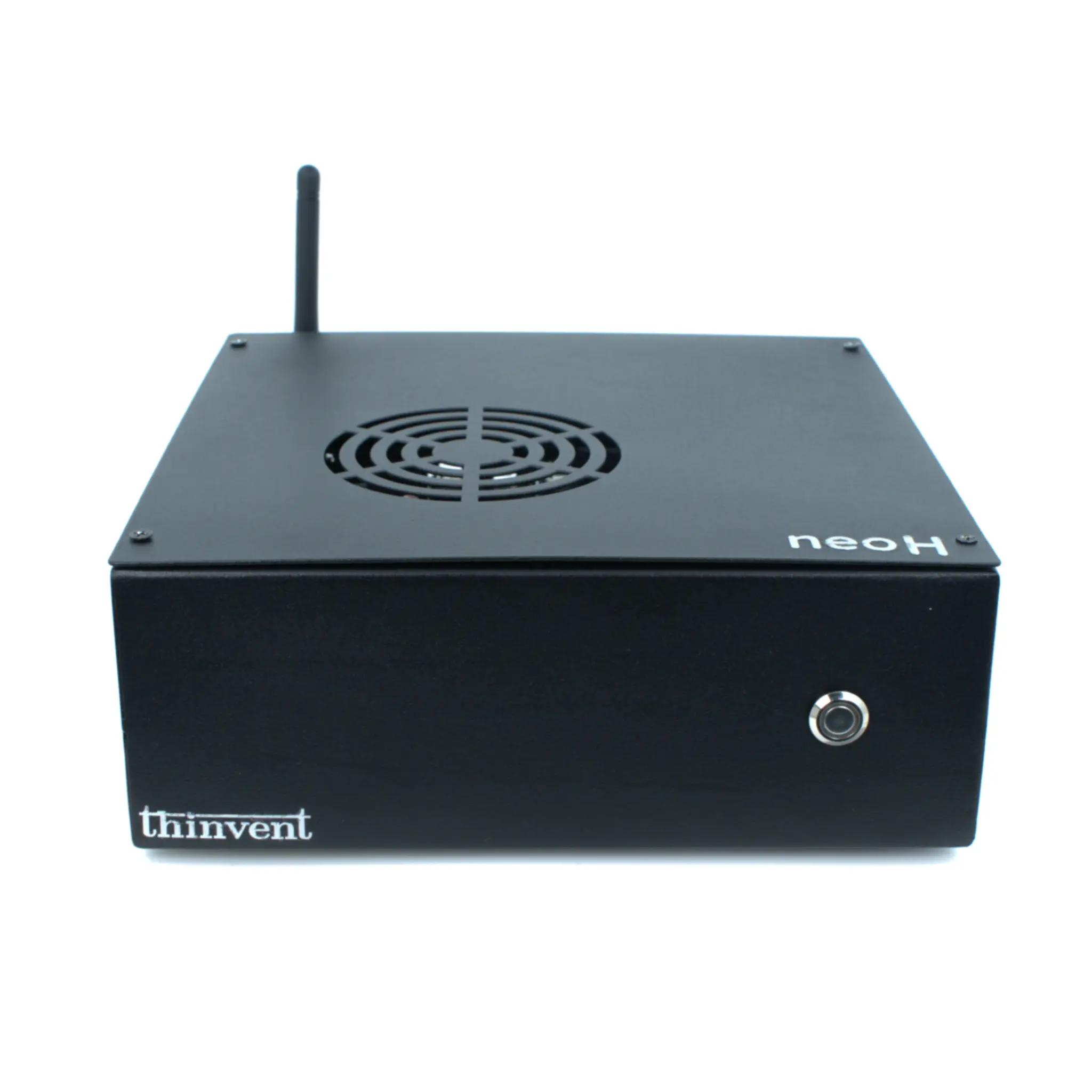
Compact Mini PCs, also known as small form factor (SFF) PCs, are engineered to deliver full computing functionality in a fraction of the space of a traditional desktop tower. These systems prioritize space efficiency, low power consumption, and quiet, often fanless, operation without significant compromises on performance for their intended tasks. They are the ideal solution for environments where desk real estate is limited, aesthetics are important, or where multiple units need to be deployed in dense configurations.
Key Specifications and Design
The defining characteristic of a compact mini PC is its physical footprint, often no larger than a paperback book. Internally, they utilize highly integrated components, including mobile or low-power desktop processors from Intel (like the N-series, Core i3/i5) or ARM architectures. Memory and storage are typically provided via SODIMM RAM and M.2 SSDs or eMMC storage. Connectivity is robust, featuring multiple USB ports (including USB-C), HDMI/DisplayPort outputs for multi-monitor setups, and Gigabit Ethernet. Many models offer fanless cooling, which eliminates moving parts for silent and reliable operation in dusty environments.
Common Use Cases and Applications
The versatility of compact mini PCs makes them suitable for a wide array of applications. In office settings, they serve as efficient workstations for general productivity, web browsing, and video conferencing. In digital signage and kiosks, their small size allows for discreet mounting behind displays. They are also perfect for home theater PCs (HTPCs) due to their silent operation and media playback capabilities. For light industrial and edge computing tasks, such as process monitoring or IoT gateways, their ruggedized variants provide reliable performance in controlled environments.
Choosing the Right Compact Mini PC
Selecting the appropriate model depends on your performance needs and software requirements. For basic digital signage, thin client duties, or lightweight Linux-based applications, an ARM-based or Intel N-series processor with 4-8GB RAM is sufficient. For more demanding office productivity, general Windows applications, or light content creation, an Intel Core i3 or i5 processor from the 12th generation or newer, paired with 8-16GB of RAM, is recommended. Always consider the required operating system, storage capacity, and specific I/O ports (like dual Ethernet for networking tasks) for your project.
Thinvent Compact Mini PC Solutions
Thinvent offers a comprehensive range of compact mini PCs designed for space-efficient computing across all performance tiers. Our Treo and Micro series provide cost-effective, fanless solutions powered by Intel N-series and ARM processors, ideal for embedded applications and lightweight computing. For more powerful office and commercial workloads, the Aero series features Intel Core i3 and i5 processors with higher clock speeds and greater core counts. For the most demanding industrial and edge computing scenarios requiring maximum performance and reliability, our Industrial PC (IPC) line incorporates robust Intel Core processors in a durable, compact chassis. All Thinvent mini PCs are built for global deployment, offering flexible OS options and reliable support.