What Are PC Chips For Industrial Computing?
A PC chip, or processor, is the central processing unit (CPU) of an industrial computer, responsible for executing instructions and managing system operations. In industrial environments, these chips are engineered for reliability, longevity, and stable performance under demanding conditions like wide temperature ranges, constant operation, and vibration. Unlike consumer-grade processors, industrial PC chips often feature extended lifecycles, fanless designs for silent and maintenance-free operation, and enhanced I/O for connectivity with machinery and sensors.
Key Specifications and Technical Details
Industrial PC processors are defined by several critical specifications:
-
Architecture and Brand: Primarily x86 from Intel (e.g., Celeron, Core i3/i5) or ARM-based systems for specific low-power applications.
-
Cores and Threads: Determines multitasking capability. Quad-core chips are common for basic control, while 6-core or higher processors handle complex data processing.
-
Thermal Design Power (TDP): Lower TDP (e.g., 6W-15W) enables fanless, sealed designs crucial for dusty or cleanroom environments.
-
Operating Temperature Range: Industrial chips often support from -40°C to 85°C, ensuring functionality in harsh settings.
-
Longevity: Industrial processors are available for 7-15 year lifecycles, guaranteeing supply and system stability.
Applications and Use Cases
The right PC chip enables diverse industrial applications:
-
Factory Automation & Control: Running PLCs, HMIs, and machine vision systems on production lines.
-
Digital Signage & Kiosks: Powering 24/7 displays in retail, transportation, and public venues.
-
Thin Clients & VDI: Providing secure, centralized access to enterprise applications and desktops.
-
Edge Computing & IoT Gateways: Processing data locally from sensors before sending to the cloud.
-
Transportation & In-Vehicle Computing: Withstanding shock and vibration in fleet management or passenger infotainment systems.
Processor Comparison for Industrial Applications
| Feature | Intel N-Series (e.g., N100) | Intel Core i-Series (e.g., i5-1335U) | ARM-Based Processors |
|---|---|---|---|
| Best For | Basic HMI, Digital Signage, Thin Clients | Data-Intensive Edge Computing, Machine Vision | Ultra-Low Power, Fixed-Function IoT |
| Performance | Efficient quad-core, good for everyday tasks | High-performance hybrid architecture with P & E-cores | Application-specific, highly efficient |
| Power/Thermals | Very low TDP (6W), ideal for fanless designs | Moderate TDP (15W), may require active cooling | Extremely low power, passive cooling only |
| I/O & Expandability | Standard modern I/O (USB 3.2, HDMI 2.0) | High-speed I/O (Thunderbolt, PCIe Gen4), greater expansion | Limited, often integrated for specific tasks |
| OS Support | Windows, Linux | Windows, Linux | Typically Linux, Android, RTOS |
Thinvent Industrial Computers with Advanced PC Chips
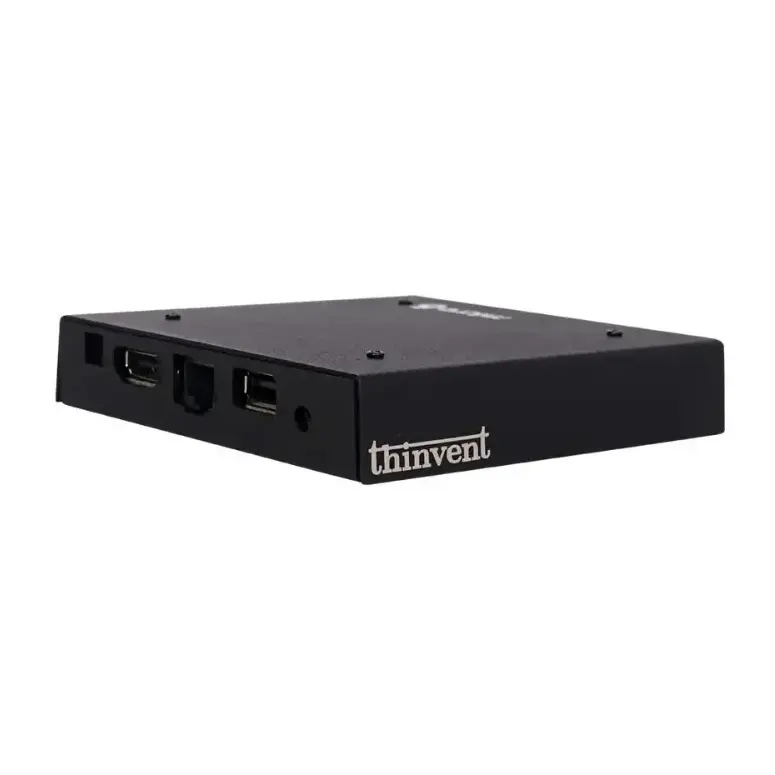
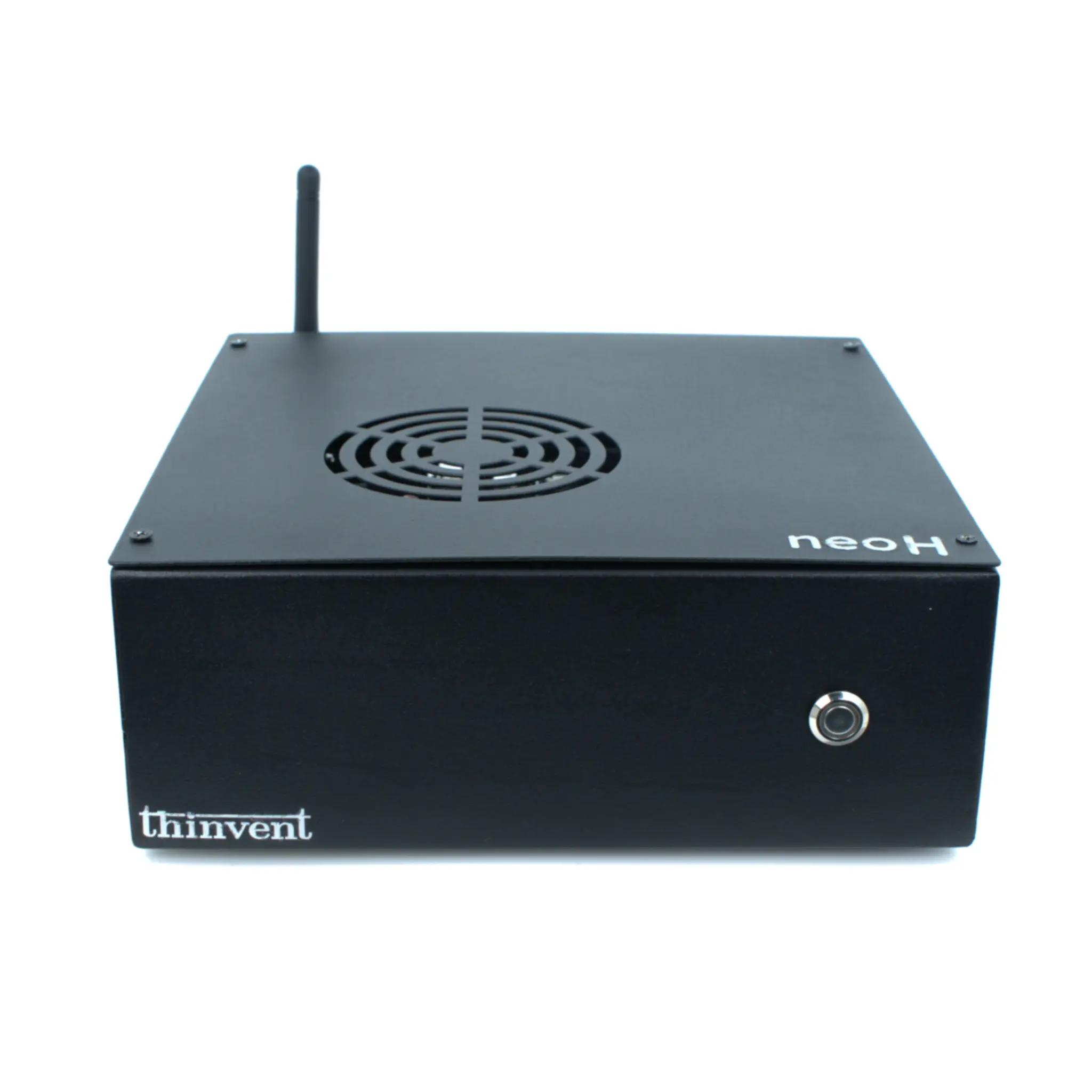
Thinvent integrates a wide range of industrial-grade processors into robust computing solutions. Our product lines, including fanless Mini PCs, Thin Clients, and All-in-One panels, are built around reliable Intel and ARM chipsets. For example, our Aero Mini PC series utilizes the efficient Intel N100 processor, offering a balance of performance and ultra-low power consumption in a compact, fanless chassis. For more demanding workloads, our industrial PCs feature higher-core-count Intel Core i3, i5, and i7 processors from the latest generations. Each system is designed to leverage the specific strengths of its chip—be it thermal efficiency, processing power, or I/O capability—to deliver reliable performance in commercial and industrial deployments worldwide.