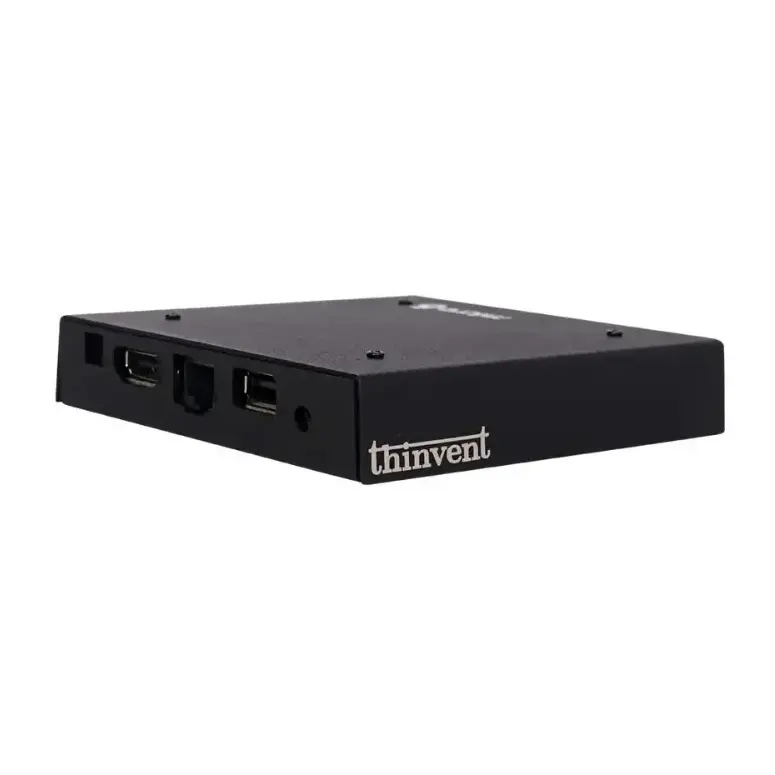
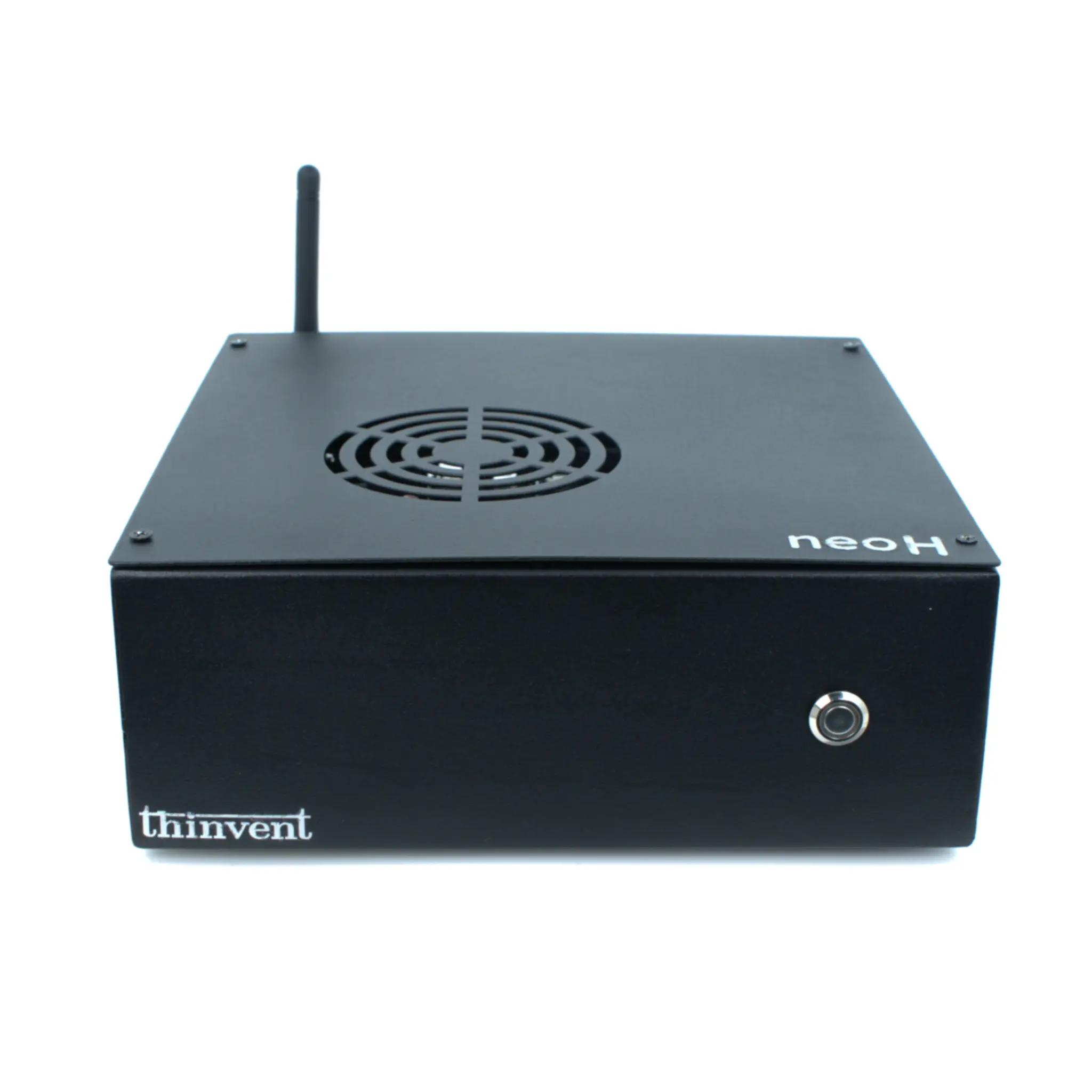
A PC for dual monitors is a computer system specifically configured to support two independent displays simultaneously. This setup is a standard feature in modern business and industrial computing, requiring specific hardware capabilities. The primary technical requirement is a graphics processing unit (GPU) with sufficient video outputs. Most modern processors, including Intel's integrated UHD or Iris Xe Graphics, support multi-monitor configurations natively. The system must have the physical ports (like HDMI, DisplayPort, or USB-C with DisplayPort Alt Mode) to connect two screens, and the operating system must be capable of managing extended or mirrored desktop modes.
Key Specifications for Dual Monitor PCs For reliable dual-monitor operation, focus on these core specifications:
-
Graphics & Video Outputs: The system must have at least two independent video output ports. Common configurations include dual HDMI, one HDMI and one DisplayPort, or a combination including USB-C. The GPU should support the combined resolution of both monitors (e.g., two 1080p displays).
-
Processor (CPU): A modern multi-core processor is recommended to handle the increased workload of driving two displays, especially for office multitasking, digital signage, or light graphical work. Intel Core i3, i5, or efficient series like the Intel Processor N-series are commonly used.
-
Memory (RAM): 8GB of RAM is a practical minimum for smooth operation with multiple applications across two screens, while 16GB or more is ideal for demanding workflows.
-
Storage & Connectivity: An SSD ensures fast system responsiveness. Stable network connectivity via Gigabit Ethernet is crucial for networked multi-display applications.
Applications and Use Cases Dual monitor PCs are ubiquitous in environments that benefit from expanded screen real estate:
-
Office & Financial Workstations: For comparing documents, extended spreadsheets, video conferencing while referencing notes, or coding with an IDE on one screen and documentation on another.
-
Digital Signage & Control Rooms: Driving two informational displays in retail, hospitality, or transportation hubs from a single, compact computer.
-
Industrial Monitoring: Viewing control software on one monitor and live sensor data or camera feeds on a second.
-
Point of Sale (POS) & Kiosks: Managing transaction software on the main screen while a secondary display faces the customer.
Choosing the Right Configuration Your choice depends on the intended use. For basic office tasks and digital signage, an efficient, fanless mini PC with dual HDMI ports is often perfect. For more intensive graphical work or financial trading with multiple data streams, a system with a more powerful Core i5/i7 processor and higher RAM is advisable.
| Use Case | Recommended CPU Series | Recommended RAM | Key Port Requirement |
|---|---|---|---|
| Basic Office / Digital Signage | Intel N-series, Celeron | 8GB - 16GB | Dual HDMI |
| Advanced Office / Trading | Intel Core i3, i5 | 16GB - 32GB | HDMI + DisplayPort / Dual HDMI 2.0 |
| Light Design / Development | Intel Core i5, i7 | 16GB - 64GB | HDMI + DisplayPort / USB-C DP |
Dual Monitor PCs from Thinvent Thinvent offers a robust range of industrial-grade computers engineered for reliable dual-monitor operation. Our product lines, including the compact Aero Mini PC series and more powerful Industrial PC solutions, are built with the necessary dual video outputs—such as dual HDMI—to support extended desktop setups out of the box. Designed for 24/7 operation in diverse environments, Thinvent PCs combine fanless cooling for silent operation, wide voltage input for power stability, and industrial-grade components to ensure your multi-display workstation remains productive and reliable. Explore our catalog to find the perfect dual-monitor PC for your professional or industrial application.