What is a Pentium 3 Computer?
The Intel Pentium 3 was a popular microprocessor family introduced in 1999, representing a significant era in computing. These processors, built on a 0.25 to 0.13-micron process, featured clock speeds ranging from 450 MHz to 1.4 GHz and were known for their introduction of the SSE (Streaming SIMD Extensions) instruction set. While historically important, Pentium 3-based systems are now considered legacy hardware, lacking the performance, security features, and software support required for modern industrial and commercial applications. They are typically found in very old embedded systems or as retro computing collectibles.
Modern Replacements and Key Specifications
For businesses and industries still relying on or referencing "Pentium 3" systems, the need is for reliable, low-power, and cost-effective computing solutions that can handle contemporary tasks. Modern equivalents focus on efficiency and connectivity rather than raw clock speed comparisons. Key specifications to look for in a replacement include:
-
Processor: Modern Intel processors like the Celeron or Intel N-series (e.g., N100) offer multiple cores and threads, far exceeding the single-core performance of a Pentium 3 while consuming less power.
-
Memory (RAM): 4GB to 16GB of DDR4 RAM, a massive upgrade from the SDRAM (typically 128MB-512MB) used in Pentium 3 systems.
-
Storage: Solid State Drives (SSDs) from 128GB to 512GB provide instant boot times and data access, replacing slow PATA hard drives.
-
Connectivity: Gigabit Ethernet, multiple USB ports (including USB 3.2), and HDMI outputs are standard, enabling connectivity with modern peripherals and networks.
-
Form Factor: Fanless, compact Mini PCs or Industrial PCs are ideal for space-constrained and harsh environments where old desktop towers would be impractical.
Use Cases and Applications
Modern industrial computers designed as successors to legacy systems like the Pentium 3 are deployed in diverse scenarios:
-
Digital Signage & Kiosks: Reliable, always-on operation for displaying information or interactive customer interfaces.
-
Thin Clients & Terminal Workstations: Centralized computing environments for offices, call centers, or manufacturing floors.
-
Light Industrial Automation: Machine control, data acquisition, and process monitoring in environments where reliability is critical.
-
Edge Computing Nodes: Processing data locally in IoT networks for retail, logistics, or smart building management.
Comparison: Legacy vs. Modern Industrial Computing
| Feature | Pentium 3 Era (Legacy) | Modern Equivalent (e.g., Intel N100) |
|---|---|---|
| Process Technology | 0.13-micron | Intel 7 (10nm) |
| Typical Cores/Threads | 1 Core / 1 Thread | 4 Cores / 4 Threads |
| Clock Speed | ~1.0 GHz | Up to 3.4 GHz (Burst) |
| Cache | 256 KB L2 | 6 MB Intel Smart Cache |
| Memory Support | SDRAM, up to 512MB | DDR4/DDR5, up to 16GB+ |
| Storage Interface | PATA (IDE) | SATA III, NVMe M.2 |
| Typical TDP | ~30W | ~6W (Ultra-efficient) |
| Modern OS Support | No (Windows XP era) | Yes (Windows 11, Linux) |
Thinvent's Modern Industrial Computing Solutions
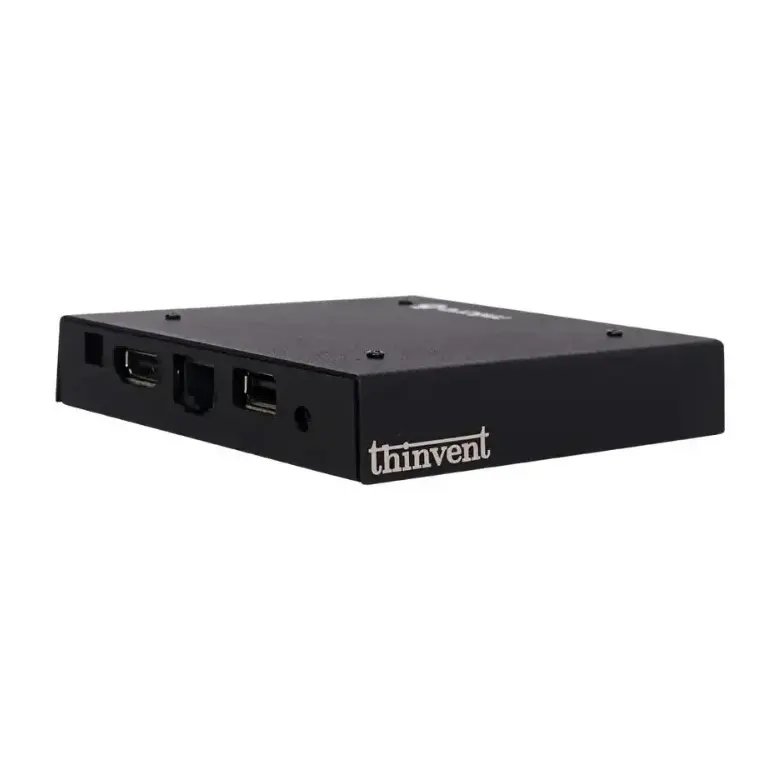
Thinvent specializes in robust, fanless industrial computers that serve as the perfect upgrade path from outdated Pentium 3 systems. Our product lines, such as the Aero Mini PC series, are engineered for reliability in demanding conditions. Featuring efficient Intel processors like the N100, these systems offer silent operation, wide operating temperature ranges, and rich I/O connectivity. They are pre-configured with various operating system options, including Windows 11 IoT/Pro and Linux distributions, ensuring software compatibility for both legacy and new applications. For organizations modernizing their infrastructure, Thinvent provides the performance, durability, and support needed for critical industrial and commercial deployments worldwide.