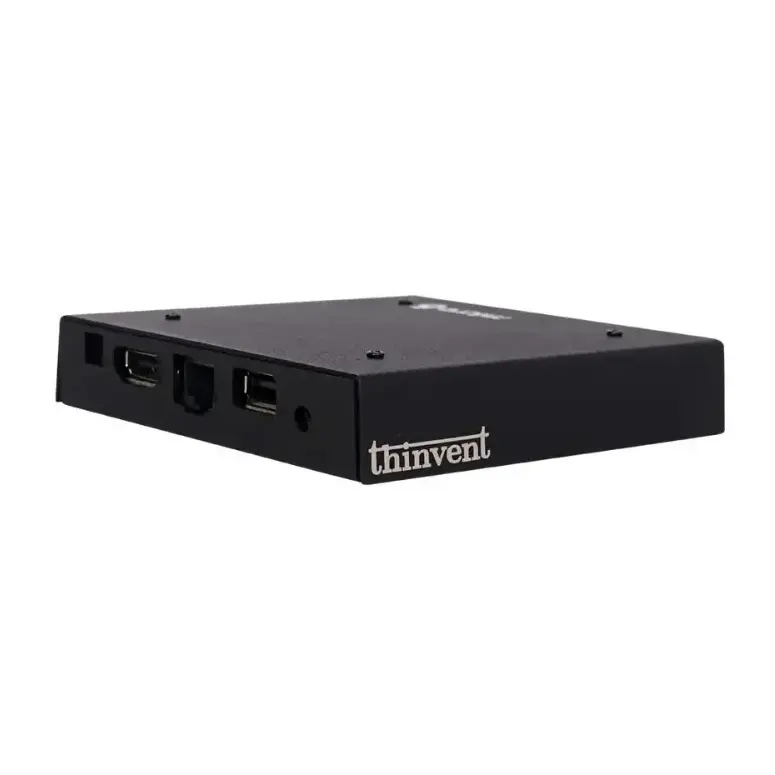
What are NVMe Mini PCs?
A query for "Pi 5 NVMe" typically refers to users seeking a compact computing solution with the high-speed storage capabilities of an NVMe (Non-Volatile Memory Express) solid-state drive. Unlike traditional SATA SSDs, NVMe drives connect directly via the PCIe bus, offering significantly faster read/write speeds, lower latency, and superior performance for data-intensive tasks. Modern industrial and compact mini PCs increasingly feature NVMe M.2 slots to leverage this technology, providing a powerful alternative to single-board computers for professional and embedded applications.
Key Specifications and Technical Advantages
Mini PCs equipped with NVMe storage offer distinct technical benefits. The primary advantage is storage speed, with NVMe drives capable of sequential read/write speeds several times faster than SATA III SSDs. This is complemented by modern, efficient processors like the Intel N-series (e.g., N100), which feature multiple cores, integrated graphics, and low thermal design power (TDP) for fanless, silent operation. Key specifications to look for include PCIe Gen 3 or Gen 4 NVMe support, DDR4 or DDR5 RAM, multiple USB ports (including USB 3.2 and Type-C), and dual HDMI outputs for multi-monitor setups. These systems are designed for 24/7 reliability in diverse environments.
Ideal Use Cases and Applications
The combination of a compact form factor, efficient processor, and NVMe speed makes these mini PCs ideal for a wide range of applications. They are perfect for digital signage, kiosks, and thin clients where fast boot and application loading are crucial. In office settings, they serve as energy-efficient desktops for general productivity, video conferencing, and light content creation. For industrial automation, IoT gateways, and edge computing, the reliability, low power consumption, and fast data processing of an NVMe-equipped mini PC ensure seamless operation. They are also excellent for home theater PCs (HTPCs) and compact gaming setups when paired with capable integrated graphics.
Comparison: NVMe vs. SATA in Compact Systems
| Feature | NVMe SSD (M.2) | SATA III SSD (2.5") |
|---|---|---|
| Interface | PCIe (Gen3/Gen4) | SATA III |
| Max Sequential Read | Up to ~3,500 MB/s (Gen3) / ~7,000 MB/s (Gen4) | ~550 MB/s |
| Max Sequential Write | Up to ~3,000 MB/s (Gen3) / ~5,000 MB/s (Gen4) | ~520 MB/s |
| Latency | Very Low | Higher |
| Form Factor | M.2 2280 | 2.5-inch |
| Typical Use | OS, applications, high-speed data | Bulk storage, budget builds |
| Power Efficiency | Generally Higher | Standard |
Thinvent Mini PCs with NVMe Technology
Thinvent offers a robust lineup of industrial-grade mini PCs that support high-speed NVMe storage, delivering the performance and reliability sought in professional environments. Our Aero Mini PC series, for example, features efficient Intel processors and is engineered for fanless, silent operation, making it suitable for demanding 24/7 applications. These systems provide the compact footprint and connectivity options required for modern digital solutions while ensuring data access is never a bottleneck. Explore Thinvent's range to find a durable, high-performance mini PC tailored to your specific storage and processing needs.