Understanding Processors for Industrial and Mini PCs
The processor, or CPU, is the brain of any computer, and its performance is critical for the efficient operation of industrial PCs, mini PCs, thin clients, and All-in-One systems. When selecting a system, the CPU dictates its speed, multitasking capabilities, and ability to handle demanding applications. Factors like core count, clock speed, cache size, and architecture all contribute to the overall processing power.
For industrial environments and specialized computing needs, processors are often chosen for their balance of performance, power efficiency, and thermal management. Many industrial and mini PCs utilize Intel processors, ranging from energy-efficient Celeron and Pentium lines to more powerful Core i3, i5, and i7 series. The "N" series processors, for example, are designed for compact and fanless devices, offering sufficient power for everyday tasks and specialized applications without excessive heat generation.
Key specifications to consider include the number of cores (more cores generally mean better multitasking), clock speed (measured in GHz, indicating how many cycles per second the CPU can perform), and cache memory (a small, fast memory that stores frequently used data for quicker access). For industrial applications, reliability and consistent performance under load are paramount, making processor selection a crucial step in ensuring a robust computing solution.
Key Processor Specifications to Consider
| Specification | Description | Impact on Performance |
|---|---|---|
| Cores | The number of independent processing units within the CPU. | More cores enable better multitasking and faster execution of multi-threaded applications. |
| Clock Speed (GHz) | The speed at which the CPU performs operations, measured in Gigahertz. | Higher clock speeds generally lead to faster processing of individual tasks. |
| Cache Memory | A small, high-speed memory integrated into the CPU to store frequently accessed data. | Larger cache sizes can reduce the time spent fetching data from main memory, improving overall responsiveness. |
| Architecture | The design and instruction set of the CPU (e.g., x86, ARM). | Affects efficiency, power consumption, and compatibility with software. |
| TDP (Thermal Design Power) | The maximum amount of heat a CPU is expected to generate, influencing cooling requirements and power consumption. | Lower TDP is crucial for fanless designs and energy-efficient systems. |
Thinvent Processors for Demanding Applications
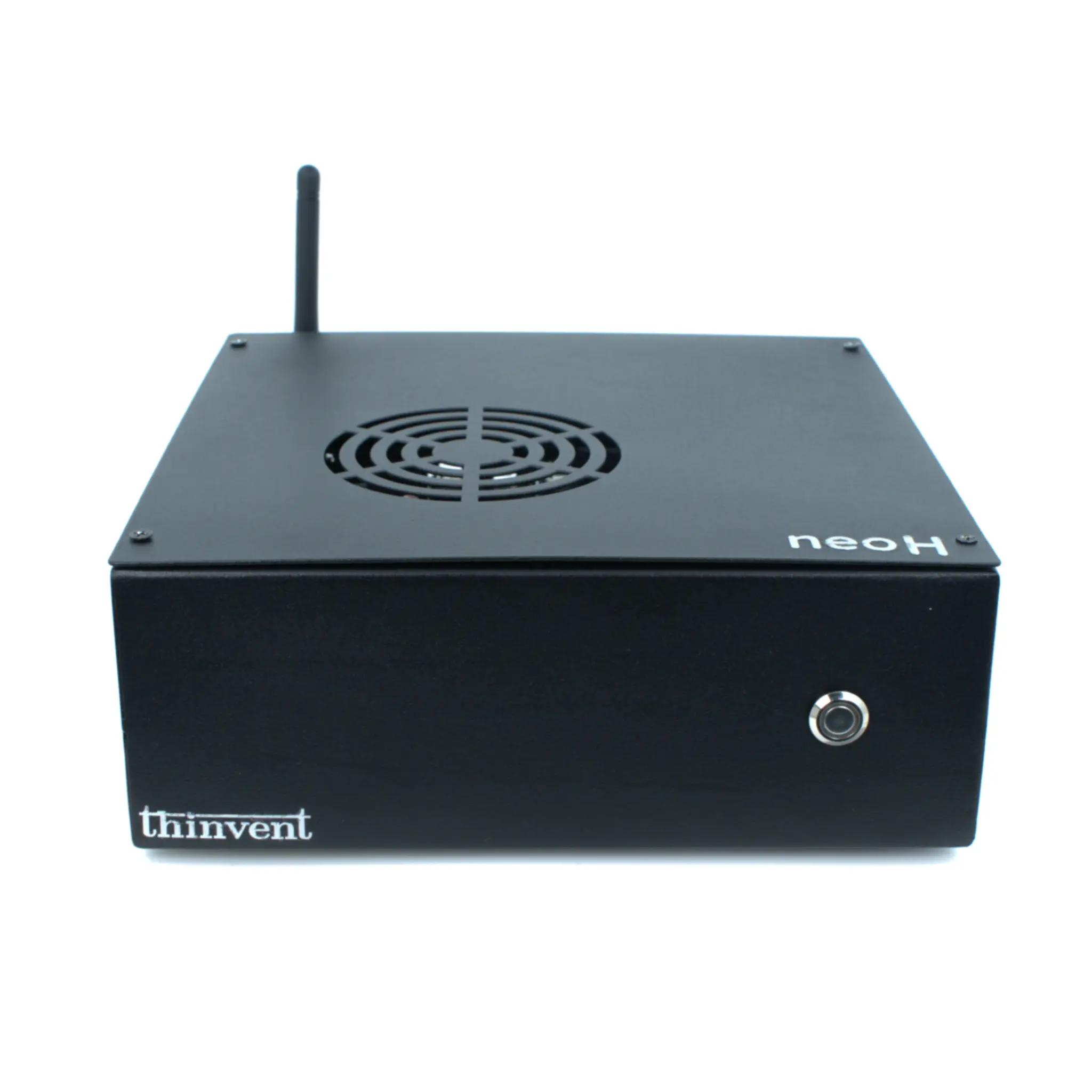
Thinvent offers a range of industrial computers, mini PCs, thin clients, and All-in-One PCs equipped with powerful and efficient processors to meet diverse computing needs. Our systems leverage Intel's advanced processor technologies, including the N-series for compact, fanless solutions, and the Core series for higher performance demands. Whether you require robust processing for industrial automation, seamless operation for digital signage, or efficient multitasking for office environments, Thinvent provides the computing power you need. Explore our selection to find the ideal processor-driven solution for your specific application.