A programming monitor is a critical tool for developers, providing the screen real estate, clarity, and connectivity needed for efficient coding, debugging, and multitasking. Unlike standard displays, an ideal monitor for programming prioritizes a high-resolution panel, ergonomic adjustability, and reliable connectivity to support multiple devices and workflows. The right monitor can significantly reduce eye strain during long coding sessions and improve productivity by allowing multiple windows, terminals, and documentation to be viewed simultaneously.
Key specifications for a programming monitor include screen size, resolution, panel technology, and ergonomic features. A larger screen, typically 24 inches or more, is beneficial, but resolution is paramount. A 4K UHD (3840 x 2160) or QHD (2560 x 1440) display provides crisp text and ample space for code editors and browsers. An IPS panel offers superior color accuracy and wide viewing angles, which is useful for design-related development work. Ergonomic stands with height, tilt, swivel, and pivot (portrait mode) adjustments are highly recommended for comfort. Connectivity options like HDMI, DisplayPort, and USB-C (with power delivery) are essential for connecting to laptops, mini PCs, or docking stations.
Primary use cases for programming monitors extend across all development disciplines. Software engineers benefit from high-resolution displays for viewing extensive lines of code and multiple application windows. Web developers and UI/UX designers require accurate color reproduction for front-end work. Data scientists and analysts utilize the screen space for code, data visualizations, and dashboards. The portrait orientation is particularly useful for reading long documents, JSON files, or lengthy scripts. These monitors are also ideal for IT administrators managing server consoles and network monitoring tools.
When selecting a monitor, consider the following comparison of common resolutions and their benefits for development work:
| Resolution | Pixel Count | Ideal For | Key Benefit |
|---|---|---|---|
| Full HD (FHD) | 1920 x 1080 | Basic coding, budget setups | Widespread compatibility, cost-effective |
| Quad HD (QHD) | 2560 x 1440 | General software development | Excellent clarity, good screen real estate |
| Ultra HD 4K | 3840 x 2160 | Professional development, design work | Maximum detail, exceptional multitasking |
| UltraWide QHD | 3440 x 1440 | Multi-window workflows, immersive coding | Expansive horizontal space without bezels |
Thinvent Solutions for Development Workstations
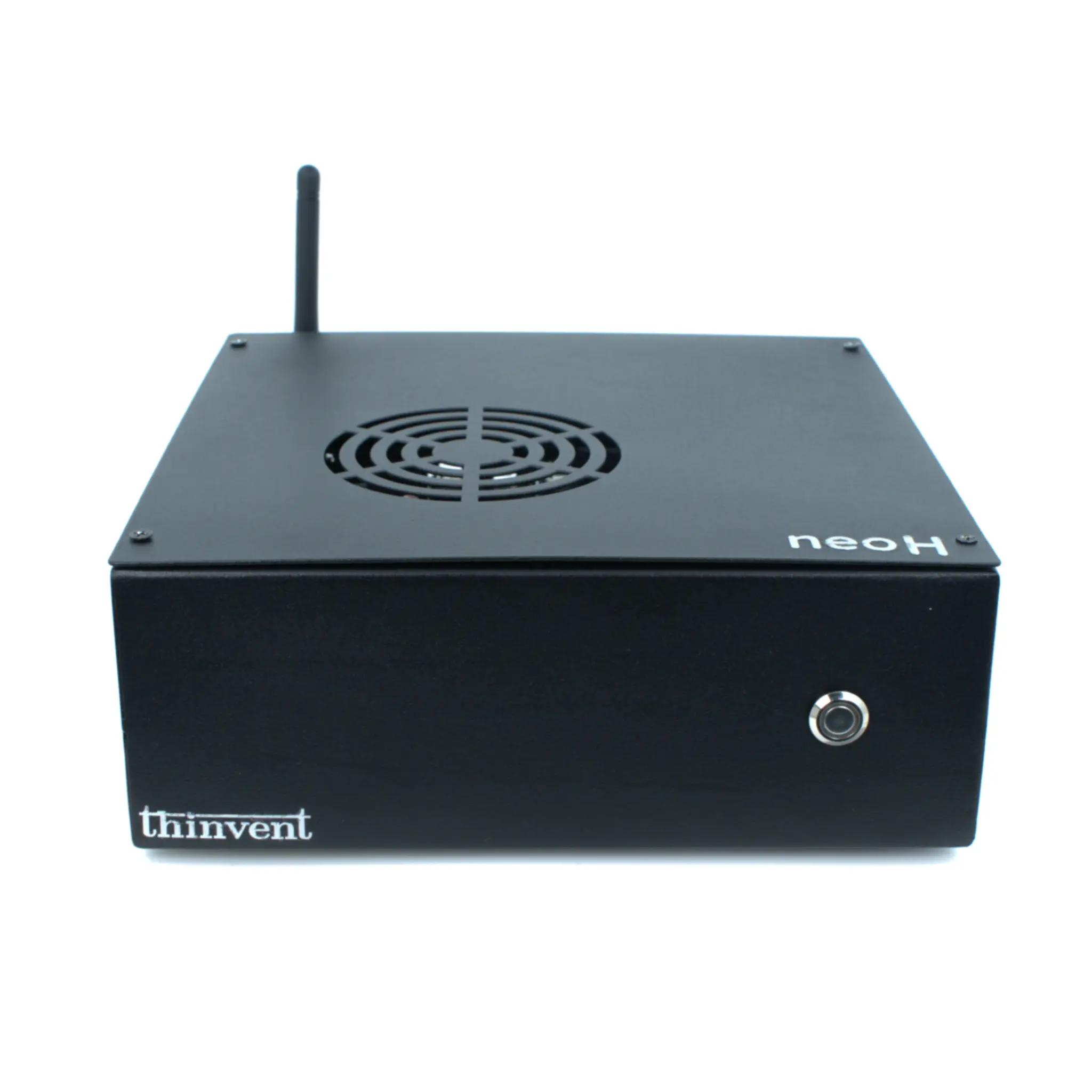
While Thinvent specializes in compact and reliable computing hardware like industrial PCs and mini PCs, these devices form the perfect silent, powerful heart for any programming setup. Pairing a Thinvent mini PC, such as a model with an Intel Core i5 or i7 processor, with a high-performance programming monitor creates an efficient and space-saving development station. Thinvent's fanless designs ensure silent operation, crucial for focused work environments, while their robust connectivity options, including multiple HDMI and USB ports, provide seamless integration with high-resolution monitors, peripherals, and networks. For developers seeking a streamlined, powerful, and dependable computing core to drive their ideal monitor setup, Thinvent's range of mini PCs and industrial computers offers versatile and durable solutions.