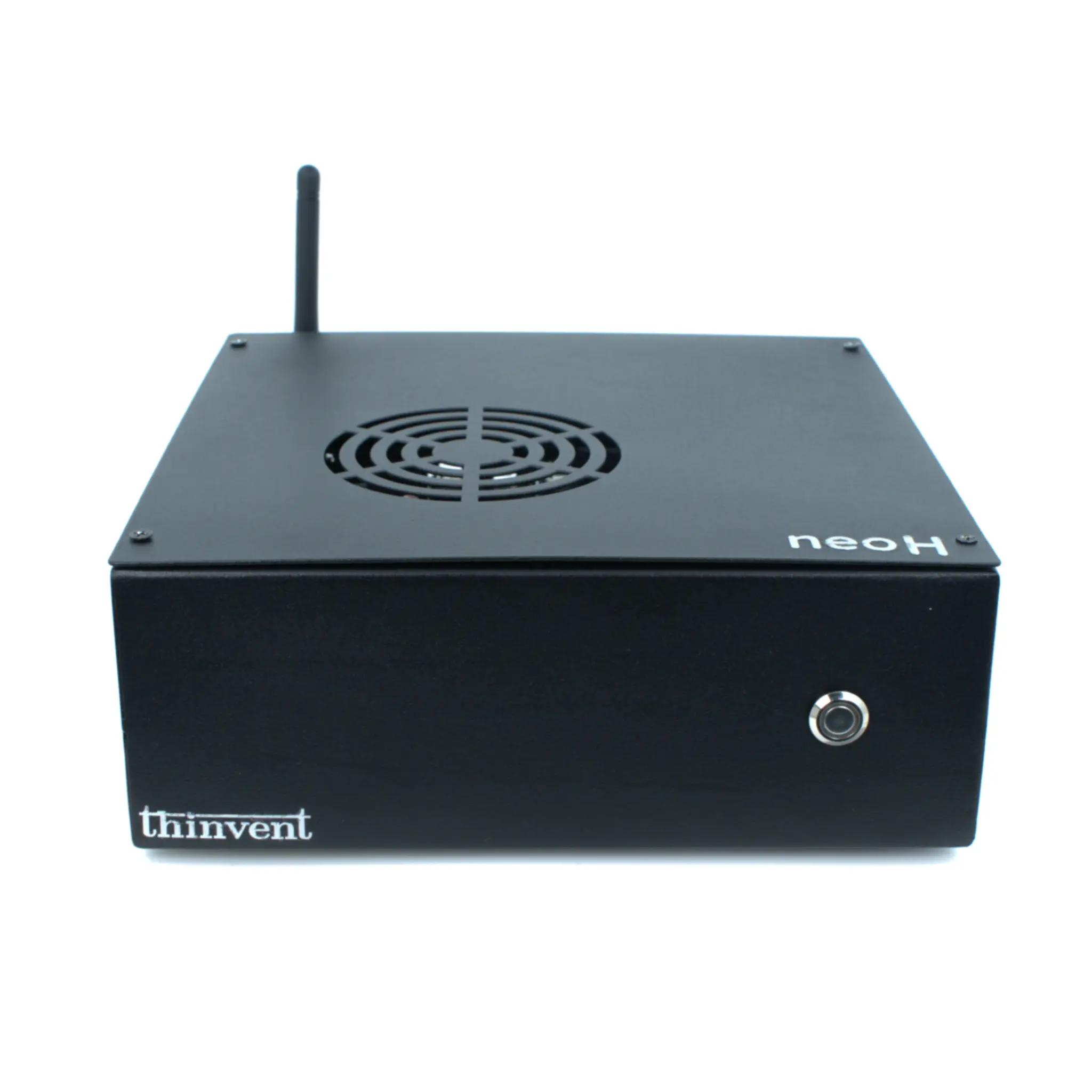
What is a Raspberry Pi 5 with SSD?
A Raspberry Pi 5 with SSD refers to a configuration where the popular single-board computer is paired with a Solid State Drive (SSD) for primary storage, typically via a USB 3.0 or PCIe interface using an adapter. This setup significantly improves system performance over using a microSD card, offering faster boot times, quicker application loading, and more reliable data storage. It's a popular upgrade for enthusiasts and developers seeking enhanced speed and durability for their projects.
Key Specifications and Technical Details
The core appeal of this setup is the combination of the Raspberry Pi 5's quad-core ARM processor with the high-speed data transfer of an SSD. Key technical aspects include:
-
Interface: SSDs are connected via the Pi 5's USB 3.0 ports (up to 5 Gbps) or, for maximum performance, through the PCIe 2.0 x1 lane on the board's RP1 chip, enabling speeds up to 500 MB/s.
-
Boot Support: The Raspberry Pi 5 supports network and mass storage boot, allowing the operating system to run directly from the SSD without a boot microSD card.
-
Power: SSDs require adequate power, often necessitating a high-quality USB-C power supply (5V/5A) or a powered USB hub.
-
Form Factor: Common SSD choices include M.2 NVMe or SATA drives in compact enclosures, maintaining a small overall footprint.
Use Cases and Applications
This powerful combination is ideal for projects that demand consistent, high-speed data access:
-
Media Centers & Home Servers: Running Plex, Jellyfin, or NAS software for smooth 4K media streaming and file sharing.
-
Development Workstations: Compiling code, running containers with Docker, or hosting web servers with much faster I/O.
-
Retro Gaming Consoles: Emulation platforms benefit from faster game loading and asset streaming.
-
Edge Computing & IoT Hubs: Reliable, fast storage for data logging, analytics, and managing multiple sensor inputs in industrial or commercial settings.
Comparison: Raspberry Pi 5 with SSD vs. Industrial Mini PCs
While a DIY Raspberry Pi 5 with SSD is excellent for prototyping, industrial-grade mini PCs offer a more robust, integrated solution for commercial deployment.
| Feature | Raspberry Pi 5 with SSD | Industrial Mini PC (e.g., Intel N-Series) |
|---|---|---|
| Form Factor | DIY setup with separate board, case, and SSD adapter. | Pre-assembled, compact, and fanless chassis. |
| Processor | Broadcom BCM2712 (ARM Cortex-A76). | Integrated x86 processors (e.g., Intel N100). |
| Storage Integration | Requires external adapter; potential for cable clutter. | Internal, soldered, or slot-based M.2 SSD. |
| Power Supply | Requires specific 5V/5A USB-C PSU. | Standard 12V/19V DC industrial power input. |
| I/O & Expansion | Limited native ports; expansion via HATs. | Rich native I/O (multiple USB, COM, LAN) and often expansion slots. |
| Operating System | Primarily Linux-based (Raspberry Pi OS). | Wide support for Windows, Linux, and embedded OS. |
| Reliability & Support | Community-supported; variable component quality. | Designed for 24/7 operation with extended temperature ranges and warranty. |
Thinvent's Industrial-Grade Mini PCs with SSD
For businesses requiring the compact size and SSD performance of a Raspberry Pi-like system but with industrial reliability, Thinvent offers a superior alternative. Our Aero series fanless mini PCs, such as those featuring the Intel processor N100, come with integrated SSDs (e.g., 128GB) and DDR4 RAM in a rugged, pre-configured package. These systems eliminate DIY hassles, provide broader software compatibility with x86 architecture, and are built for demanding environments like digital signage, kiosks, and factory automation. They offer a plug-and-play, professional solution that ensures long-term stability and performance.