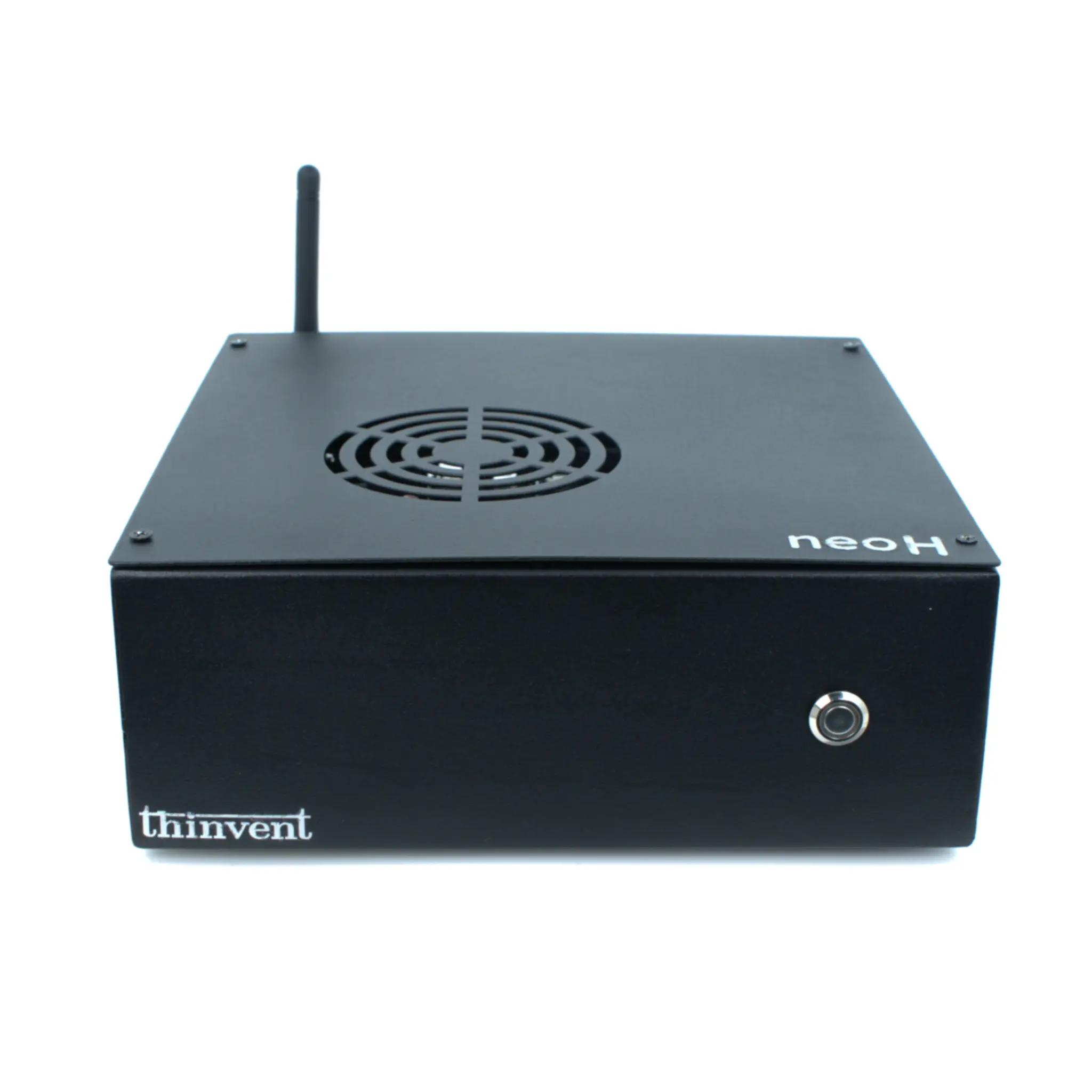
What Makes a School PC Durable and Efficient?
When selecting computers for education, durability and efficiency are paramount. School PCs must withstand daily use in busy classrooms, labs, and libraries while delivering reliable performance for educational software, web browsing, and productivity tasks. Key factors include fanless cooling designs that eliminate moving parts prone to failure, solid-state storage (SSD or eMMC) for faster boot times and shock resistance, and low-power processors that reduce heat and energy costs.
Key Specifications for Education Computers
For K-12 and higher education environments, the ideal school PC balances performance with cost-effectiveness. Processors like the Intel N100 (4 cores, 6W TDP) or ARM Cortex A55/A53 provide sufficient power for web-based learning platforms, Office applications, and streaming video while consuming minimal electricity. A minimum of 4GB RAM and 64GB storage is recommended for basic tasks, while 8GB RAM and 128GB SSD enable smoother multitasking for advanced applications.
Recommended Configurations for Different Education Levels
| Use Case | Processor | RAM | Storage | Form Factor |
|---|---|---|---|---|
| Elementary School | Intel N100 / ARM Cortex A53 | 4GB | 64GB eMMC | Mini PC / Thin Client |
| Middle School | Intel N100 / Intel i3 | 4-8GB | 128GB SSD | Mini PC |
| High School / Lab | Intel i3 / i5 | 8-16GB | 256-512GB SSD | Mini PC / All-in-One |
| Teacher Workstations | Intel i5 | 16GB | 512GB SSD | Mini PC / All-in-One |
Use Cases in Educational Settings
School PCs serve diverse roles across campus:
-
Classroom thin clients for web-based learning management systems (LMS) like Google Classroom or Moodle
-
Computer labs running educational software, coding platforms, and multimedia tools
-
Library kiosks for research and digital catalog access
-
Administrative workstations for attendance tracking, grading, and communications
-
STEM/robotics labs requiring reliable computing for programming and simulation
The compact form factor of mini PCs makes them ideal for space-constrained environments, while fanless designs ensure silent operation and reduced maintenance from dust accumulation.
Thinvent’s Education-Grade Computers
Thinvent offers a comprehensive range of school PCs designed for educational durability and efficiency. Our lineup includes:
-
Thinvent Treo Mini PC with Intel N100 processor – perfect for budget-conscious deployments requiring 4-8GB RAM and 128GB SSD
-
Thinvent Aero Mini PC with Intel i3-1215U – ideal for computer labs needing 8GB RAM and 256GB SSD
-
Thinvent Micro Series with ARM processors – ultra-low power thin clients for virtual desktop environments
-
Thinvent IPC Series – industrial-grade PCs for specialized STEM and robotics labs
All models feature solid-state storage, energy-efficient processors, and compact designs that save desk space and reduce total cost of ownership over the system’s lifetime.