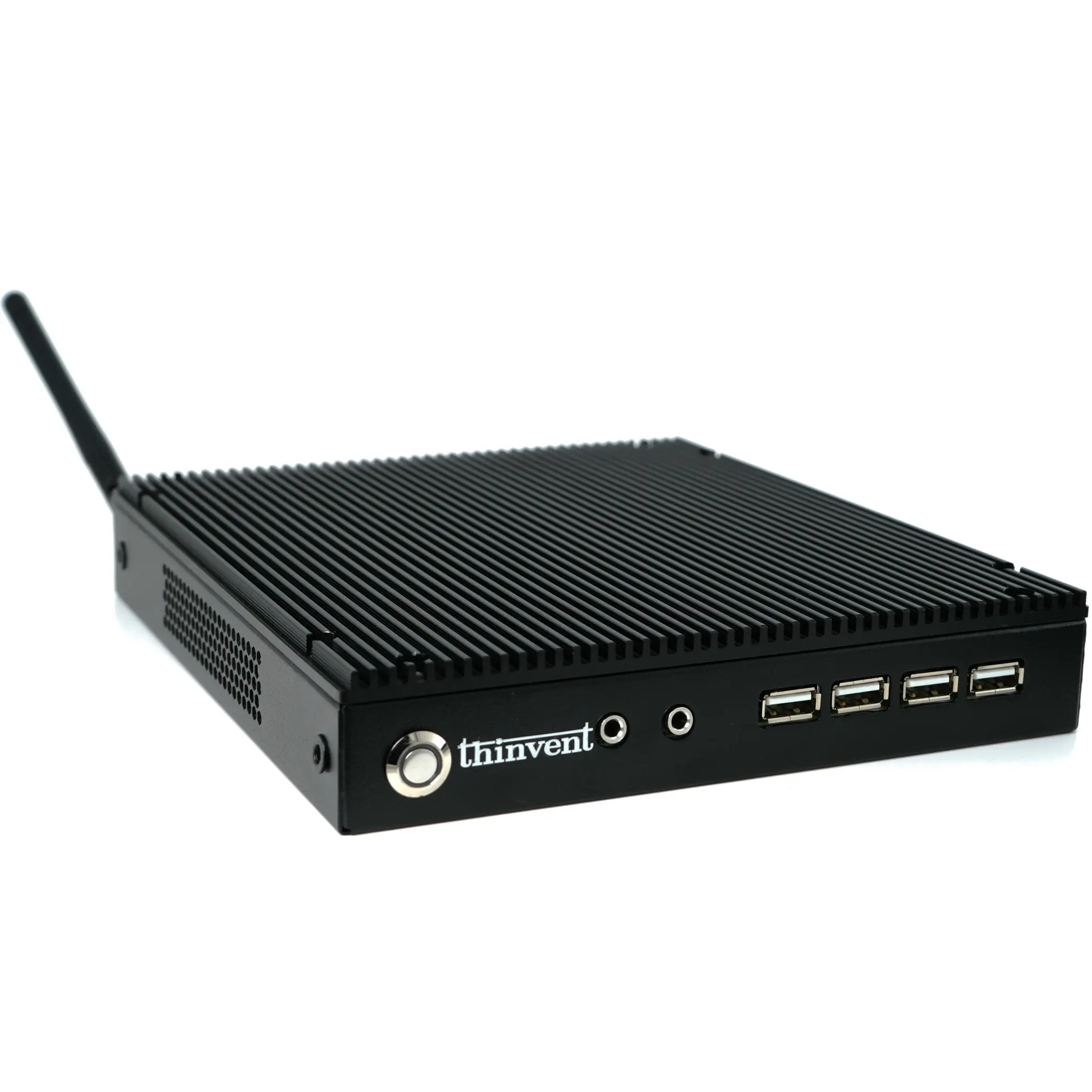
A fanless server is a specialized computing system designed to operate without any moving mechanical parts for cooling, such as fans. Instead, it uses passive cooling techniques—typically a large, integrated heatsink and a carefully engineered chassis—to dissipate heat. This design is fundamental for creating a completely silent, reliable, and maintenance-free computing node ideal for environments where noise, dust, or vibration are critical concerns.
Key Specifications and Design
True fanless servers prioritize low-power, high-efficiency processors that generate minimal heat. Common specifications include Intel's N-series (e.g., N100, N95) or Celeron processors, which offer a balance of performance and thermal efficiency. They are built into rugged, sealed enclosures that protect against dust and particulate ingress, a significant advantage over traditional servers with fan vents. Key technical features often include:
-
Processor: Low-TDP Intel CPUs (6W to 15W)
-
Cooling: Passive heatsink design, often with the entire metal chassis acting as a radiator.
-
Reliability: MTBF (Mean Time Between Failures) often exceeds 50,000 hours due to the absence of fan failure points.
-
Storage: Utilizes reliable, low-heat SSDs instead of mechanical hard drives.
-
Connectivity: Multiple Gigabit Ethernet ports for network duties and standard display/output ports.
Applications and Use Cases
The silent and robust nature of fanless servers makes them perfect for deployment in sensitive or harsh environments. Primary applications include:
-
Edge Computing & IoT Gateways: Processing data locally in industrial settings, retail kiosks, or smart agriculture without the noise or maintenance of fans.
-
Digital Signage & Media Players: Running 24/7 in quiet public spaces like museums, libraries, or corporate lobbies.
-
Network Appliances: Serving as silent firewalls, VPN servers, or network-attached storage (NAS) in office or home office settings.
-
Industrial Control Systems: Operating reliably on factory floors or in control rooms where dust resistance and zero vibration are crucial.
Fanless Server vs. Traditional Server
| Feature | Fanless Server | Traditional Rack Server |
|---|---|---|
| Noise Level | 0 dB (Silent) | 40-60 dB (Loud) |
| Dust Resistance | Excellent (Sealed) | Poor (Vented) |
| Mechanical Failure Points | None | Fans, HDDs |
| Power Consumption | Very Low (10-25W) | High (100W+) |
| Performance Profile | Efficient, Low-TDP | High-Performance, High-TDP |
| Ideal Deployment | Edge, Office, Quiet Zones | Data Centers, Server Rooms |
Thinvent Fanless Server Solutions
Thinvent specializes in robust, fanless computing solutions engineered for continuous operation. Our product range includes compact Mini PCs and Industrial PCs that embody the core principles of silent server technology. For instance, our Aero series utilizes efficient Intel N-series processors within a completely fanless aluminum chassis, making it an ideal platform for lightweight server applications, edge computing nodes, and silent network appliances. We offer configurations with various memory, storage, and operating system options—including Windows, Linux, and headless-ready builds—to create a tailored, reliable, and silent server solution for your specific needs.