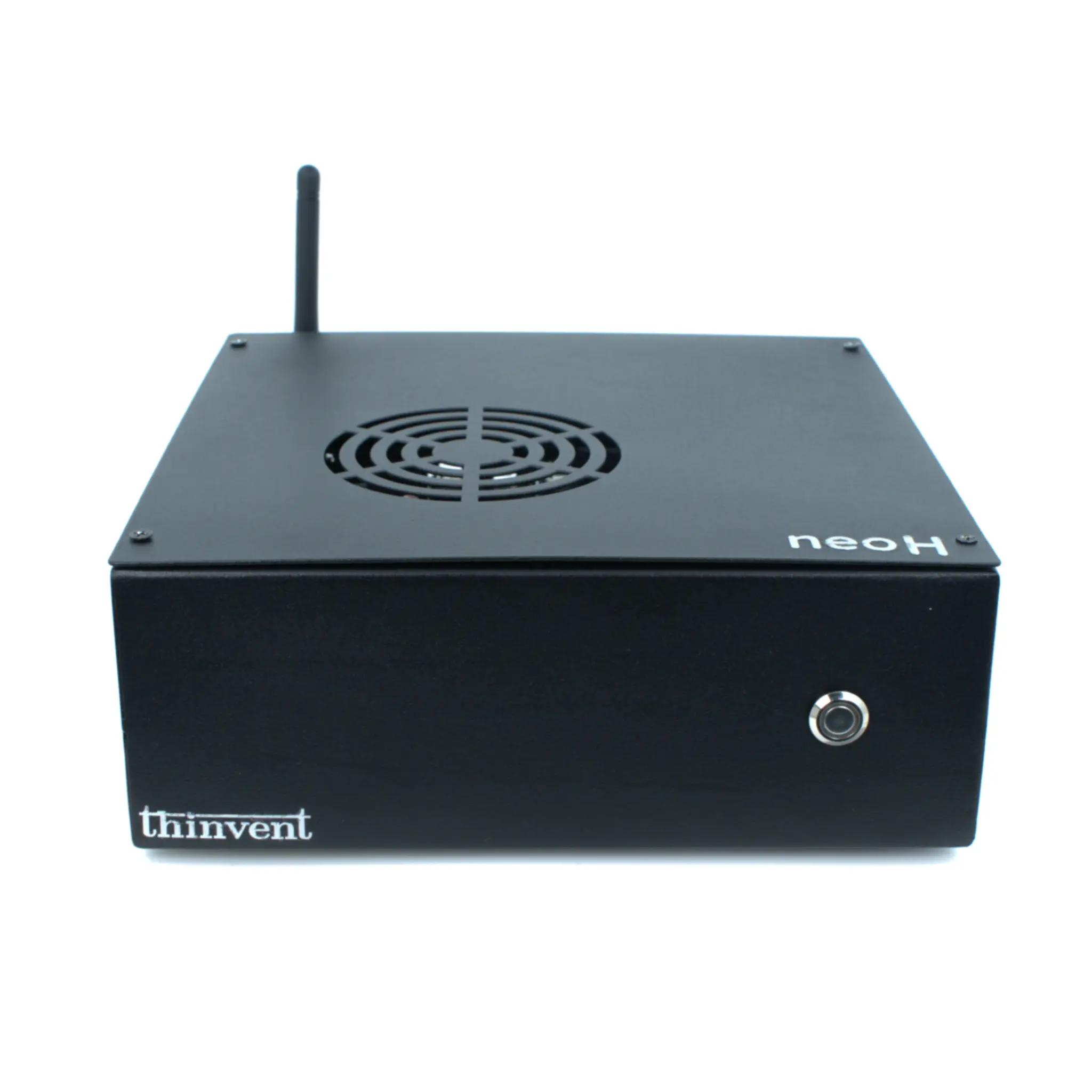
A small size desktop cabinet, often called a compact or mini PC, is a complete computer system housed in a significantly reduced form factor compared to a traditional desktop tower. These systems are designed to deliver essential computing power while occupying minimal desk or mounting space, making them ideal for environments where space is at a premium. They typically feature fanless or low-noise cooling, low power consumption, and a robust industrial design suitable for 24/7 operation.
Key Specifications and Design
Modern compact desktops leverage efficient processors from Intel's N-series or low-power Core series. Key specifications include:
-
Form Factor: Mini PC or small-footprint Industrial PC.
-
Processor: Energy-efficient Intel processors (e.g., N100, N95, Celeron) with 4 or more cores.
-
Memory: Typically 8GB to 16GB of DDR4 RAM, with options for 32GB in higher-end models.
-
Storage: Solid-state drives (SSD) ranging from 128GB to 1TB for fast boot times and reliable operation.
-
Connectivity: Multiple USB ports (including USB 3.2 and Type-C), dual HDMI or DisplayPort outputs for multi-monitor setups, and Gigabit Ethernet for reliable network connectivity.
-
Power: Operates on low-voltage DC power (e.g., 12V), reducing heat and energy use.
Applications and Use Cases
The primary advantage of a small desktop cabinet is its versatility in space-constrained applications. Common use cases include:
-
Digital Signage & Kiosks: Mounted behind displays in retail, hospitality, or public information points.
-
Office Workstations: As a clutter-free desktop PC for general office productivity, web browsing, and communication.
-
Industrial Automation: Embedded within machinery, control panels, or on factory floors for process control and HMI.
-
Thin Client & VDI: Acting as an endpoint for virtual desktop infrastructure in enterprise and educational settings.
-
Edge Computing: Deploying computing power locally in IoT networks, retail environments, or smart buildings.
Comparison: Compact Desktop vs. Traditional Tower
| Feature | Compact Desktop Cabinet | Traditional Desktop Tower |
|---|---|---|
| Size | Extremely small (often < 1L volume) | Large, requires significant space |
| Power Consumption | Low (10W-65W TDP typical) | High (65W+ TDP common) |
| Noise & Cooling | Often fanless or near-silent | Typically uses active cooling fans |
| Expandability | Limited; often uses soldered or SO-DIMM components | High; multiple PCIe slots and drive bays |
| Deployment | Wall-mountable, VESA compatible, discreet | Desk or floor placement only |
| Ideal For | Space-saving, embedded, 24/7, multi-unit deployments | High-performance gaming, intensive workloads, customization |
Thinvent Compact Desktop Solutions
Thinvent specializes in robust, small-form-factor industrial computers perfect for the applications listed above. Our range of Mini PCs, such as the Aero series, exemplify the compact desktop cabinet design. They are built with industrial-grade components for reliability, feature fanless cooling for silent operation in sensitive environments, and support a wide range of operating systems from Windows 11 to various Linux distributions. These systems are engineered for easy integration, with versatile mounting options and a focus on long-term stability, making them a superior choice for commercial and industrial deployments worldwide.