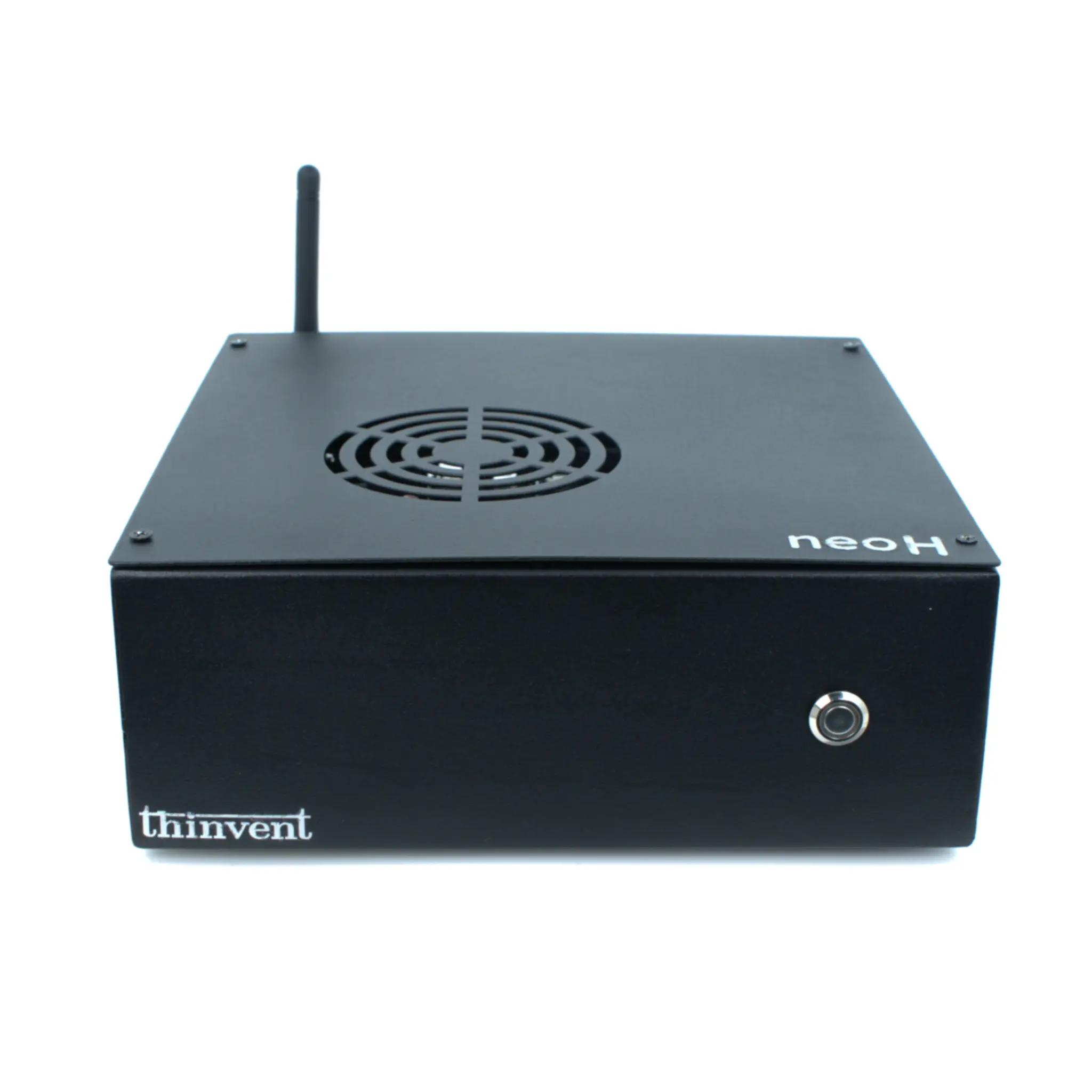
A Special Purpose Computer (SPC) is a computing system designed and optimized for a specific, well-defined task or set of tasks, rather than for general-purpose computing. Unlike standard PCs, these systems prioritize reliability, operational efficiency, and seamless integration into a larger ecosystem over raw, multi-purpose performance. They are engineered with specific hardware and software configurations to excel in their designated roles, often featuring fanless designs for silent operation, wide operating temperature ranges, and industrial-grade components for longevity in demanding environments.
Key specifications for SPCs vary dramatically based on their intended application. For lightweight tasks like digital signage or thin client virtualization, low-power ARM processors with modest RAM and eMMC storage are sufficient. For more demanding roles such as industrial automation, machine vision, or edge AI inference, systems require robust Intel Core processors (i3, i5), higher core counts (6, 10, 12 cores), substantial DDR4 RAM (8GB, 16GB, 32GB), and fast SSD storage (256GB, 512GB). Critical features often include multiple Ethernet ports for network reliability, specific I/O for sensor connectivity, and support for operating systems like embedded Linux or Windows IoT for stability and security.
Common Use Cases and Applications:
-
Digital Signage & Kiosks: Reliable, always-on operation for displaying media in retail, hospitality, and public spaces.
-
Industrial Automation & Control: Rugged, fanless PCs that control machinery, monitor sensors, and run SCADA/HMI software on factory floors.
-
Thin Client & VDI: Secure, energy-efficient endpoints that connect to centralized virtual desktops, ideal for call centers and offices.
-
Edge Computing & IoT Gateways: Processing data locally from IoT sensors before sending it to the cloud, reducing latency and bandwidth.
-
Medical & Laboratory Equipment: Embedded computers that meet strict standards for reliability and cleanliness in diagnostic or monitoring devices.
-
Transportation & In-Vehicle Systems: Vibration-resistant systems for fleet management, passenger infotainment, or logistics tracking.
Selecting a Special Purpose Computer: Key Considerations
| Consideration | Light-Duty Task (e.g., Digital Signage, Basic Kiosk) | Medium-Duty Task (e.g., Industrial HMI, IoT Gateway) | Heavy-Duty Task (e.g., Machine Vision, Edge AI) |
|---|---|---|---|
| Processor | ARM Cortex or Intel N-series (N100) | Intel Core i3 / i5 (12th/14th Gen) | Intel Core i5/i7 (12th/14th Gen P-series) |
| Memory (RAM) | 2GB - 4GB | 8GB - 16GB | 16GB - 32GB+ |
| Storage | 16GB - 128GB eMMC/SSD | 128GB - 256GB SSD | 512GB+ NVMe SSD |
| Key Features | Fanless, low power, compact | Fanless, wide temp range, multiple I/O | High performance, dedicated AI acceleration, robust expansion |
Thinvent Special Purpose Computing Solutions
Thinvent offers a comprehensive portfolio of reliable, purpose-built computing hardware designed for specialized deployments. Our range includes compact Thin Clients and Mini PCs powered by efficient ARM or Intel N-series processors, perfect for cost-sensitive, high-volume deployments like VDI and digital signage. For more demanding industrial environments, our Industrial PCs feature robust Intel Core i3, i5, and i7 processors with higher core counts, ample DDR4 memory, and fast SSD storage, all housed in fanless, ruggedized chassis capable of withstanding harsh conditions. Whether your application requires the ultra-low power profile of an ARM-based system or the processing muscle of a 12th or 14th Generation Intel Core processor, Thinvent provides scalable, reliable solutions tailored to your specific operational needs, supported by a choice of operating systems including Thinux™ Embedded Linux, Ubuntu Linux, and Windows.