What Are Compact Mini PCs?
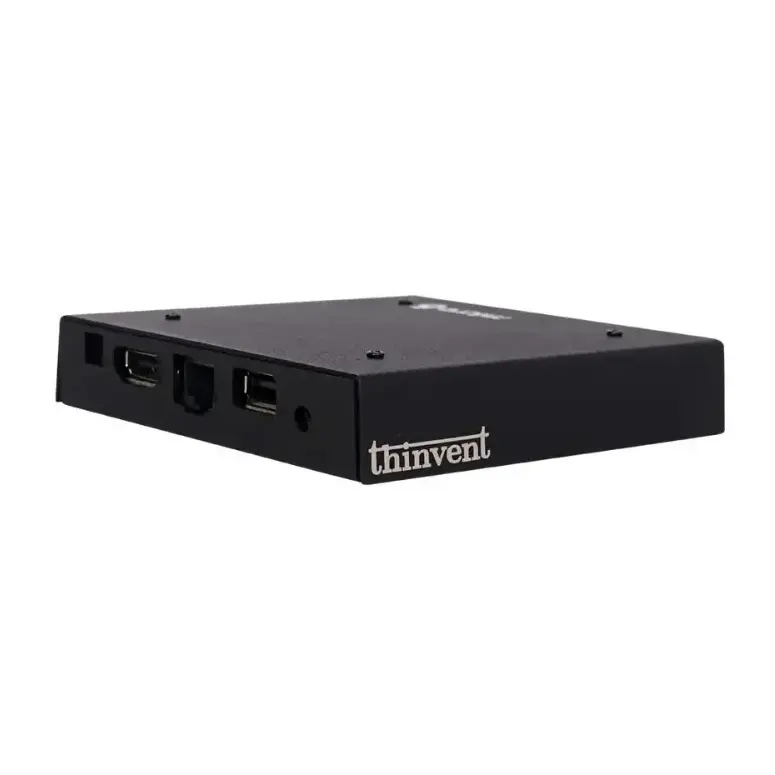
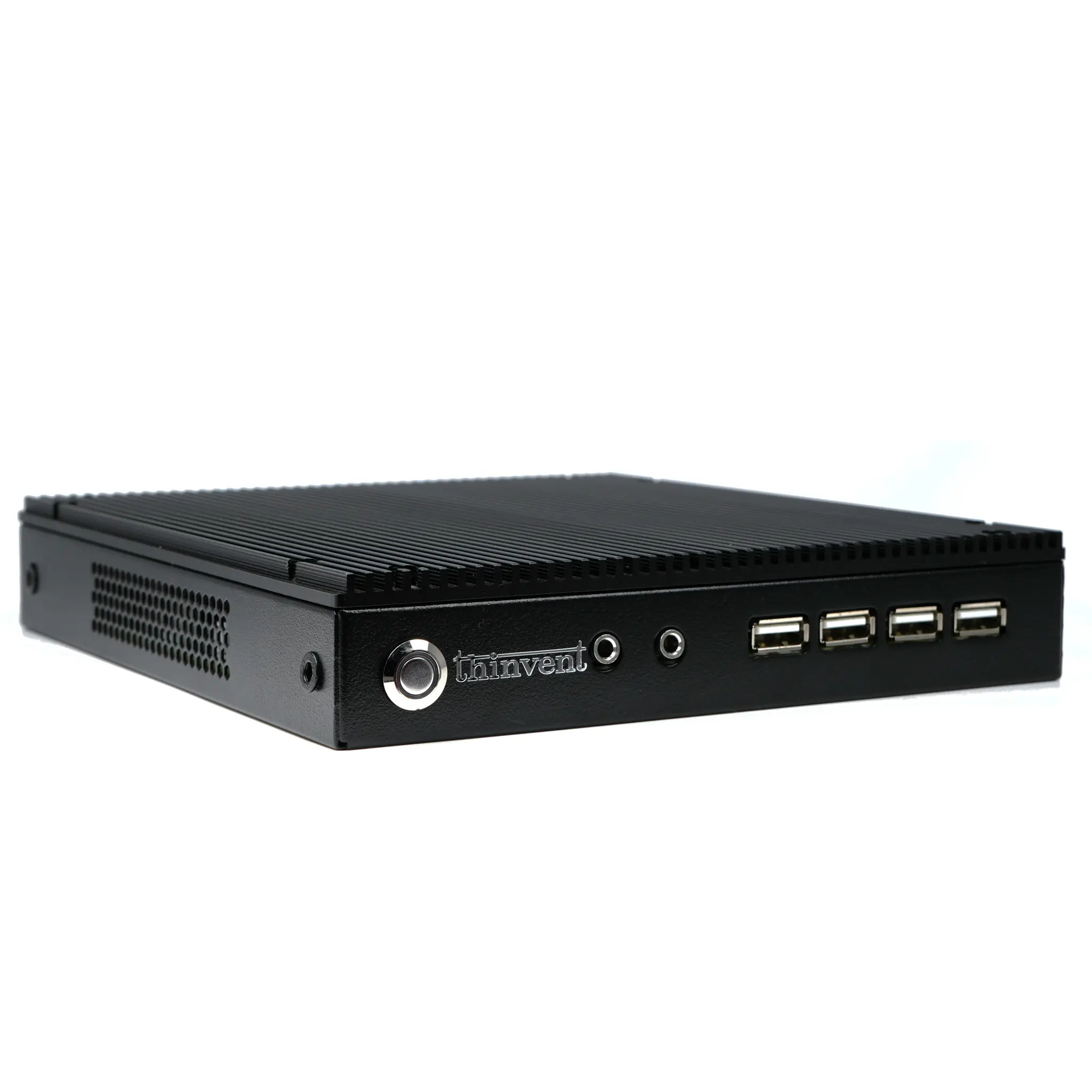
Compact Mini PCs are small-form-factor computers designed to deliver desktop-level performance in a space-saving footprint. They are ideal for tech enthusiasts, professionals, and businesses seeking powerful computing without the bulk of a traditional tower. These systems typically feature modern, energy-efficient processors, solid-state storage, and versatile connectivity, making them suitable for a wide range of applications from home offices to digital signage and light server duties.
Key Specifications and Technical Details
Modern compact Mini PCs, like those powered by Intel's N-series processors, offer a balanced blend of efficiency and capability. Key specifications often include:
-
Processors: Energy-efficient CPUs like the Intel N100 (4 cores, up to 3.4 GHz) provide ample power for everyday tasks and light multitasking.
-
Memory: Configurations typically range from 8GB to 16GB of DDR4 RAM, ensuring smooth operation of applications and operating systems.
-
Storage: Fast SSD storage (e.g., 128GB, 256GB) offers quick boot times and responsive application loading.
-
Form Factor: Their ultra-compact design saves significant desk space and allows for flexible mounting options (VESA mount compatible).
-
Connectivity: Standard features include multiple USB ports (USB 3.2, USB-C), HDMI outputs for dual displays, and Gigabit Ethernet for reliable wired networking. Many models are fanless, ensuring silent, dust-resistant operation.
Ideal Use Cases and Applications
The versatility of compact Mini PCs makes them perfect for various scenarios:
-
Home & Office Computing: An excellent choice for general productivity, web browsing, video conferencing, and document editing.
-
Digital Signage & Kiosks: Their small size and reliable performance make them ideal for driving displays in retail, hospitality, or corporate environments.
-
Media Centers: Connect to a TV or monitor for streaming content, light gaming, or as a home theater PC (HTPC).
-
Lightweight Servers: Can be used for network-attached storage (NAS), home automation hubs, or running lightweight server applications.
-
Educational & Lab Environments: Their durability and low power consumption are beneficial in classrooms and testing setups.
Comparison of Common Mini PC Configurations
| Feature | Entry-Level (e.g., Intel N95/N100) | Mid-Range (e.g., Intel i3) | Performance (e.g., Intel i5/i7) |
|---|---|---|---|
| Best For | Basic computing, digital signage, thin client | Office productivity, light creative work | Demanding applications, multitasking, light gaming |
| Typical Cores | 4 | 4-6 | 6-10+ |
| Power Draw | Very Low (6-10W) | Low to Moderate | Moderate to High |
| Noise Level | Fanless (Silent) | Typically quiet with fan | Active cooling (audible under load) |
| Ideal Use Case | Web browsing, 4K video playback, point-of-sale | Multiple office apps, photo editing, coding | Video editing, data analysis, virtualization |
Thinvent Compact Mini PCs
Thinvent offers a robust lineup of compact Mini PCs engineered for reliability and performance. Our Aero series, for example, leverages efficient Intel processors like the N100 in a fanless, rugged chassis perfect for 24/7 operation. We provide flexible configurations with choices in operating system (Windows 11 Pro, Ubuntu Linux, or without OS), memory, and storage to match your specific needs. Designed for global deployment, Thinvent Mini PCs are built to deliver dependable computing power for business, industrial, and enthusiast applications worldwide.