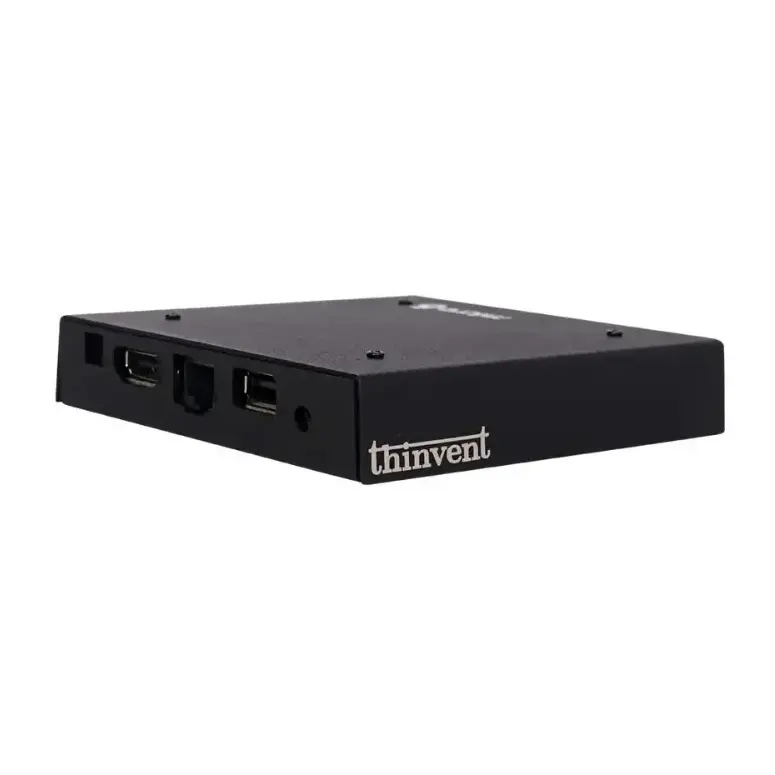
What is a Computer Case or Enclosure?
A computer case, often called an enclosure or chassis, is the physical housing that contains and protects the core components of a computer system. In an industrial context, this is far more than just a box; it is a critical component designed to ensure reliability, durability, and functionality in demanding environments. Industrial computer cases are engineered to provide superior protection against dust, moisture, vibration, extreme temperatures, and electromagnetic interference (EMI), which are common challenges in factories, warehouses, and outdoor installations.
Key Specifications and Design Features
Industrial enclosures are defined by several key technical specifications and design philosophies. They typically feature rugged, all-metal construction (often aluminum or steel) for strength and heat dissipation. A critical feature is fanless cooling, which uses passive heatsinks to eliminate moving parts, thereby preventing dust ingress and reducing points of failure. These cases support a wide range of form factors, from compact Mini PCs and Panel PCs to rack-mounted systems. Key specifications to consider include:
-
Ingress Protection (IP) Rating: Defines protection against solids and liquids (e.g., IP65 for dust-tight and water-jet resistant).
-
Operating Temperature Range: Industrial cases often support extended ranges, from -20°C to 70°C.
-
Mounting Options: VESA, wall, DIN-rail, and panel mounting for flexible installation.
-
I/O Accessibility: Sealed connectors and front-accessible ports for easy maintenance.
-
Expansion Slots: Support for additional cards via PCI or PCIe slots for customization.
Applications and Use Cases
The robust design of industrial computer cases makes them indispensable across various sectors. In factory automation, they house control systems for PLCs and HMIs on the shop floor. In digital signage, fanless enclosures ensure silent, reliable operation in retail stores and public transportation hubs. They are also crucial for edge computing and IoT gateways in harsh outdoor or remote locations, processing data locally. Other common applications include kiosks, medical equipment, transportation systems, and energy management, where consistent performance is non-negotiable.
Choosing the Right Industrial Case
Selecting the correct enclosure depends on your specific environmental and performance requirements. The table below compares common industrial computer form factors:
| Form Factor | Typical Use Case | Key Advantages | Considerations |
|---|---|---|---|
| Mini PC / Box PC | Edge computing, Digital Signage, Kiosks | Compact, fanless, low power, versatile mounting | Limited internal expansion |
| Panel PC / All-in-One | Human-Machine Interface (HMI), Control Panels | Integrated display and computing, space-saving | Fixed display size, typically higher cost |
| Rackmount Chassis | Data Centers, Server Rooms, Network Closets | High density, excellent scalability, robust cooling | Requires rack infrastructure, less portable |
| DIN-Rail Mountable | Industrial Control Panels, PLC Enclosures | Easy integration into electrical cabinets, modular | Compact size limits high-power components |
Thinvent Industrial Computing Solutions
Thinvent specializes in manufacturing robust industrial computers built with these protective principles in mind. Our product range includes compact, fanless Mini PCs like the Aero series, perfect for space-constrained and harsh environments. For interactive applications, we offer All-in-One Panel PCs with integrated touchscreens. All Thinvent systems are designed with durability as a core tenet, featuring wide-temperature operation, solid-state storage, and industrial-grade components to deliver reliable performance for automation, digital signage, and edge computing projects worldwide.