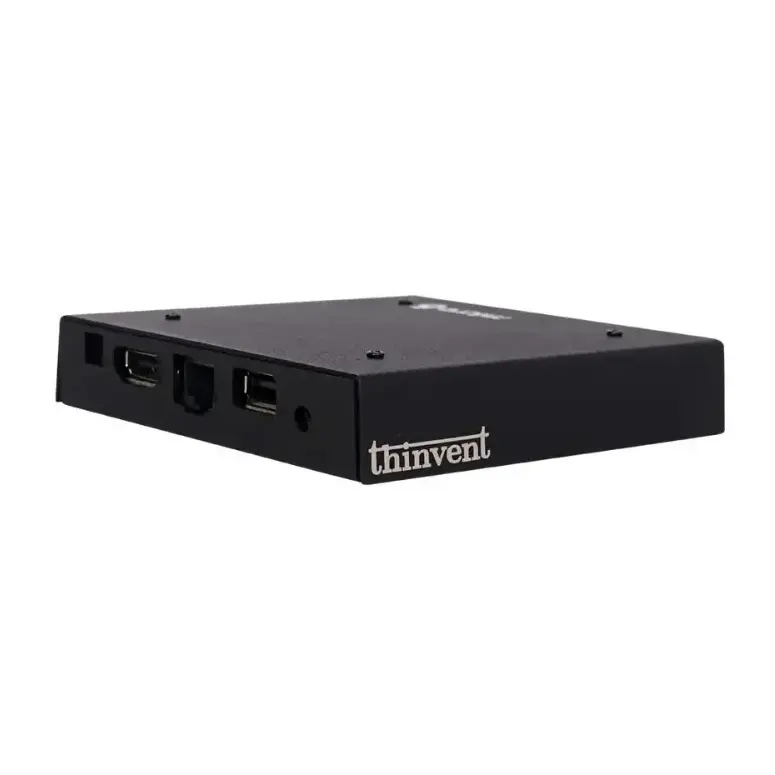
What Are Industrial Tower Computers?
Industrial tower computers are robust, high-performance computing systems housed in a traditional vertical tower chassis, designed for demanding environments. Unlike standard desktop PCs, these units are built with industrial-grade components, enhanced thermal management, and extended reliability for 24/7 operation. They are engineered to withstand harsh conditions such as extreme temperatures, dust, vibration, and continuous use in industrial automation, manufacturing, and data acquisition applications.
Key Specifications and Technical Details
These computers typically feature powerful processors from Intel's Core i-series or specialized industrial-grade CPUs, supporting high core counts and substantial cache memory. They offer extensive configurability with support for large amounts of RAM (often 32GB to 64GB or more), multiple high-capacity SSD or HDD storage bays, and a wide array of expansion slots (PCI, PCIe) for adding specialized cards. Key technical features include fanless or advanced active cooling for silent operation, wide-range power input (e.g., 9-36V DC), and rich I/O connectivity including multiple Gigabit Ethernet ports, USB 3.2/4.0, serial ports (COM), and multiple display outputs (HDMI, DisplayPort, VGA).
Use Cases and Applications
Industrial tower PCs are the backbone of critical systems where reliability is non-negotiable. Common applications include:
-
Factory Automation & Control: Serving as the main controller for PLCs, SCADA systems, and robotic cells on the factory floor.
-
Machine Vision & Inspection: Processing high-resolution images from cameras for quality control and defect detection.
-
Digital Signage & Kiosks: Powering large-scale, multi-screen advertising displays and interactive public information terminals.
-
Data Acquisition & Monitoring: Collecting and analyzing sensor data in laboratories, energy plants, and environmental monitoring stations.
-
Edge Computing & IoT Gateways: Aggregating and pre-processing data from networked devices at the network edge before sending it to the cloud.
Comparison: Industrial Tower vs. Standard Desktop PC
| Feature | Industrial Tower Computer | Standard Desktop PC |
|---|---|---|
| Operating Temperature | Wide range (e.g., -20°C to 60°C) | Narrow range (typically 5°C to 35°C) |
| Reliability & Lifespan | Designed for 24/7 operation, longer MTBF | For intermittent use, shorter lifespan |
| Component Quality | Industrial-grade, conformal-coated PCBs | Consumer-grade components |
| Expansion & I/O | Numerous PCIe slots, serial ports, isolated I/O | Limited expansion, consumer ports |
| Power Supply | Wide-range DC input, redundant options possible | Standard AC input only |
| Vibration/Shock Resistance | High, with secure mounting and SSDs | Low, not designed for physical stress |
Thinvent's Industrial Tower Computer Solutions
Thinvent offers a comprehensive range of industrial tower computers engineered for mission-critical deployments. Our towers are built around reliable Intel platforms, from efficient Celeron and Pentium processors to powerful Core i3, i5, and i7 CPUs, supporting the latest generations for optimal performance. They feature tool-less design for easy maintenance, lockable compartments for security, and customizable I/O to fit specific application needs. Whether you require a fanless system for a dusty warehouse or a high-performance workstation for complex data analysis, Thinvent provides scalable, durable, and serviceable tower solutions backed by global technical support.