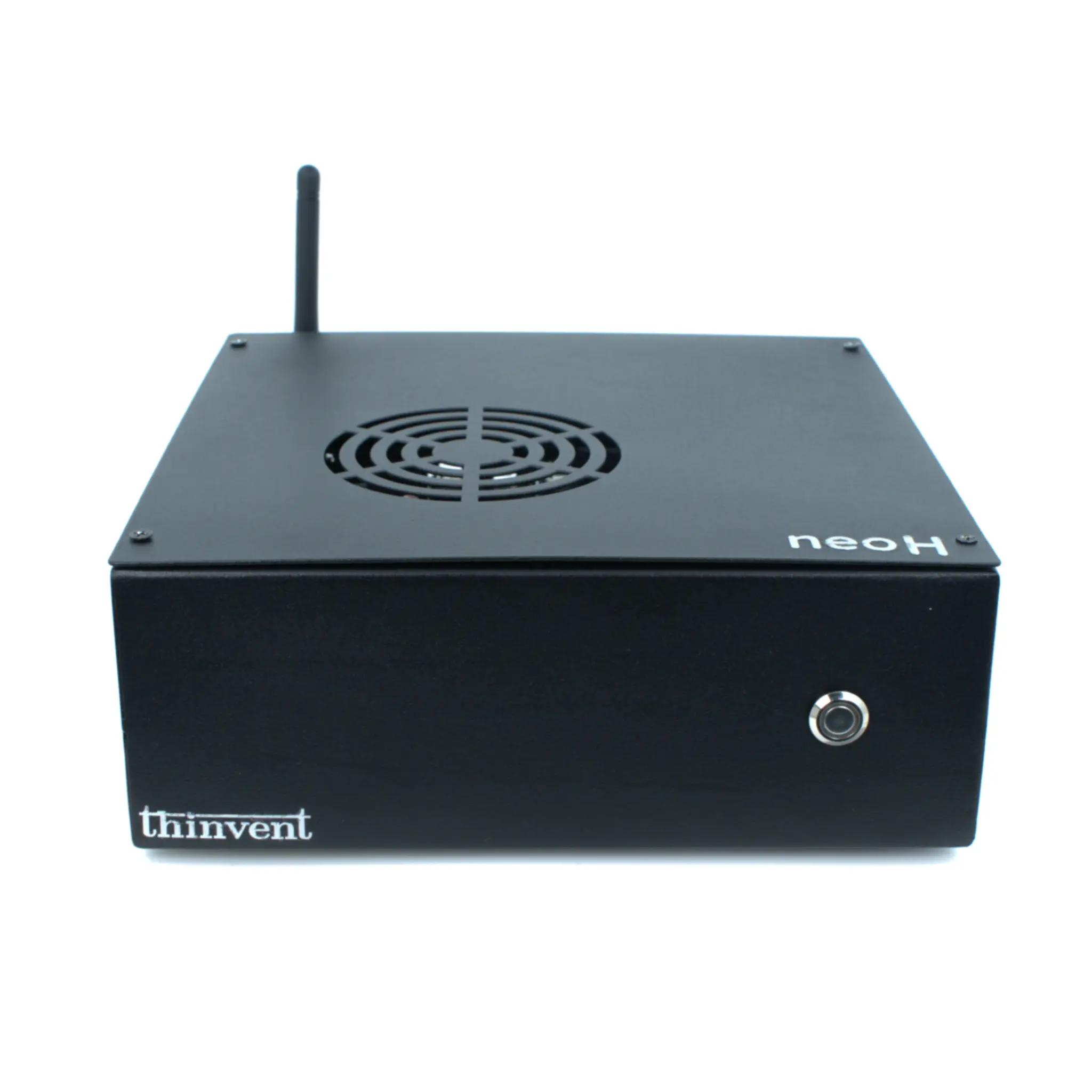
What is a Uit Box (Mini PC)?
A Uit Box, commonly referred to as a Mini PC or small form factor computer, is a compact, all-in-one computing system designed for space-constrained and embedded applications. These systems integrate the core components of a traditional desktop—including the processor, memory, storage, and I/O ports—into a single, small, and often fanless enclosure. They are engineered for reliability, low power consumption, and silent operation, making them ideal for 24/7 use in industrial, commercial, and digital signage environments.
Key Specifications and Technical Details
Modern industrial Mini PCs, like those powered by Intel's latest processors, offer a robust feature set despite their small size. Key specifications typically include:
-
Form Factor: Ultra-compact designs, often measuring just a few inches in each dimension.
-
Processor: Energy-efficient Intel processors such as the N-series (e.g., Intel N100), offering multiple cores and sufficient performance for dedicated tasks.
-
Cooling: Fanless, passive cooling systems that eliminate moving parts, reducing points of failure and enabling silent, dust-resistant operation.
-
Memory & Storage: Configurations with DDR4 RAM (e.g., 8GB, 16GB) and solid-state drives (SSD) for fast boot times and reliable data storage.
-
Connectivity: Comprehensive I/O including multiple USB ports (2.0, 3.2), HDMI/DisplayPort for dual displays, Gigabit Ethernet, and optional Wi-Fi.
-
Power: Low-voltage DC input (e.g., 12V), simplifying integration with industrial power systems.
Use Cases and Applications
The fanless, rugged design of these Mini PCs makes them suitable for a wide range of applications where standard desktops would be impractical:
-
Digital Signage & Kiosks: Reliable media playback in retail, hospitality, and public information displays.
-
Industrial Automation: As a controller or HMI (Human-Machine Interface) in manufacturing and process control.
-
Thin Client & VDI: Secure endpoint devices for accessing virtualized desktop environments in offices and call centers.
-
Edge Computing: Data processing and gateway functionality in IoT networks, transportation, and smart city infrastructure.
-
Embedded Systems: Integrated into medical devices, gaming machines, and other specialized equipment.
Comparison of Common Mini PC Processor Options
| Processor Model | Cores/Threads | Max Frequency | Typical Use Case |
|---|---|---|---|
| Intel N100 | 4 / 4 | Up to 3.4 GHz | Basic computing, digital signage, thin clients, light edge workloads. |
| Intel N95 | 4 / 4 | Up to 3.4 GHz | Entry-level embedded applications, cost-effective kiosks. |
| Intel Core i3 | Varies (e.g., 6/8) | Higher (>4.0 GHz) | More demanding office productivity, multi-tasking, advanced HMIs. |
| Intel Core i5/i7 | 10+ / 12+ | High (>4.5 GHz) | High-performance workstations, intensive data processing, AI inference at the edge. |
Thinvent's Range of Uit Box Solutions
Thinvent specializes in high-reliability, fanless Mini PCs built for challenging environments. Our Aero series, for example, features the efficient Intel N100 processor in an ultra-compact, ventless chassis. These systems come pre-configured with robust memory and storage options and support a variety of operating systems, including Windows 11 IoT/Pro, Ubuntu Linux, and our proprietary Thinux™ Embedded Linux. Designed for global deployment, Thinvent Mini PCs offer the durability and consistent performance required for industrial and commercial automation, digital signage, and edge computing projects worldwide.