Understanding What Makes the Best Desktop Computer
The "best desktop computer" is not a one-size-fits-all answer—it depends entirely on your specific needs, workload, and budget. For general office productivity, web browsing, and media consumption, a well-configured mini PC with an Intel processor and solid-state storage offers excellent value. For demanding tasks like video editing, 3D rendering, or data analysis, you need a desktop with a higher-core-count CPU, ample RAM (16GB or more), and fast storage. For industrial or 24/7 operation, a fanless industrial PC with extended temperature support and rugged construction is the best choice.
Key Specifications to Consider
When evaluating desktop computers, focus on these core components:
-
Processor (CPU): The brain of the system. Intel Core i3/i5/i7 or Celeron N-series processors are common. For multitasking, look for 6+ cores; for basic tasks, 4 cores suffice.
-
Memory (RAM): 8GB is the minimum for smooth Windows operation; 16GB is recommended for productivity and light creative work; 32GB+ for heavy multitasking or virtual machines.
-
Storage (SSD): A solid-state drive (SSD) dramatically improves boot times and application loading. 256GB is a good starting point; 512GB or 1TB for larger files.
-
Form Factor: Mini PCs save space and consume less power, while tower desktops offer expandability. Industrial PCs provide durability and fanless cooling for harsh environments.
-
Operating System: Windows 11 Pro offers enterprise features; Ubuntu Linux is ideal for developers and cost-sensitive deployments; embedded Linux suits dedicated appliances.
Use Cases and Applications
-
Office & Productivity: Best suited with Intel Core i3/i5, 8-16GB RAM, and 256-512GB SSD. These handle Microsoft Office, web apps, and video conferencing effortlessly.
-
Digital Signage & Kiosks: Fanless mini PCs or thin clients with low-power processors (e.g., Intel N100 or ARM Cortex) are ideal for 24/7 operation in retail or public spaces.
-
Industrial Automation: Rugged industrial PCs with wide temperature ranges, vibration resistance, and multiple I/O ports (e.g., IPC series) are built for factory floors, machine control, and data acquisition.
-
Home Office & Media Center: A compact mini PC with HDMI output and WiFi can serve as a silent, energy-efficient desktop for browsing, streaming, and light document work.
Comparison of Key Desktop Configurations
| Use Case | Recommended Processor | RAM | Storage | Form Factor |
|---|---|---|---|---|
| Basic Office | Intel N100 / Celeron | 4-8GB | 128-256GB SSD | Mini PC |
| Productivity | Intel Core i3-1215U | 8-16GB | 256-512GB SSD | Mini PC / SFF |
| Professional | Intel Core i5-1240P | 16-32GB | 512GB-1TB SSD | Mini PC / Tower |
| Industrial | Intel N100 / i3-1215U | 8-16GB | 128-256GB SSD | Fanless Industrial PC |
| Embedded/Arm | ARM Cortex A53/A55 | 2-4GB | 16-64GB eMMC | Thin Client |
Thinvent’s Desktop Computer Solutions
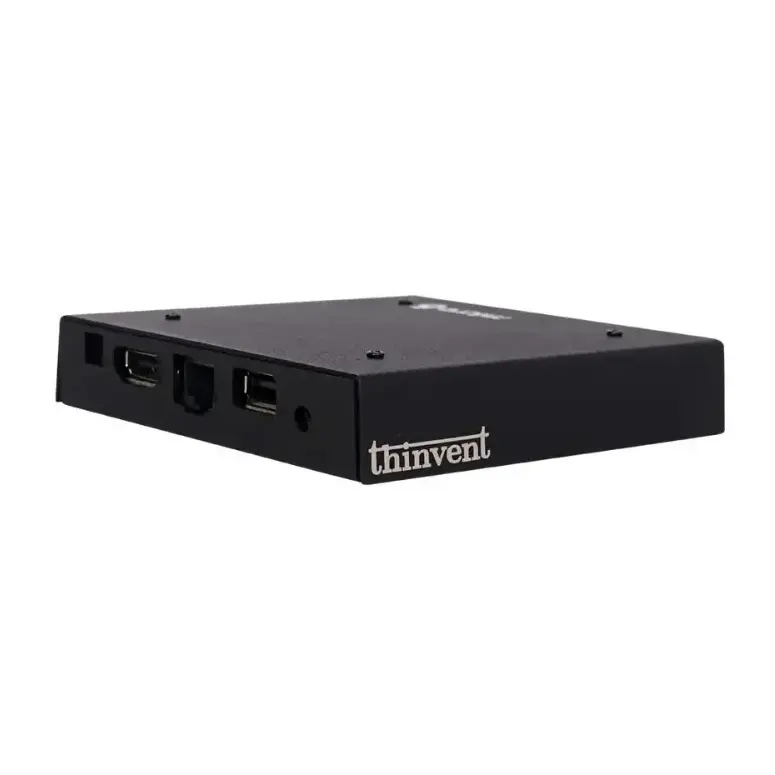
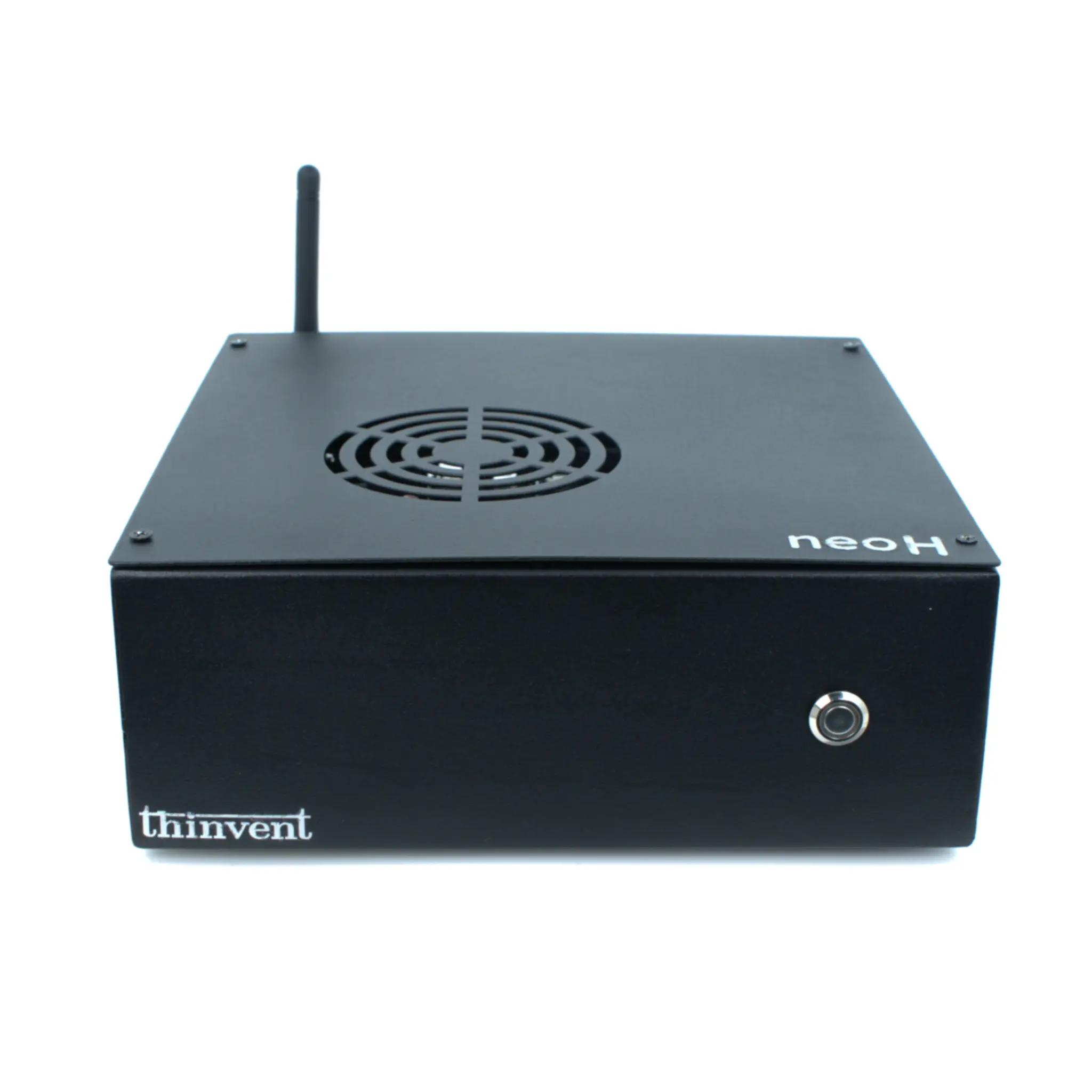
Thinvent offers a comprehensive range of desktop computers tailored to diverse needs. For everyday office and home use, the Treo Mini PC series (powered by Intel N100/N95/N150) delivers reliable performance in a compact, fanless design. For demanding professional workloads, the Aero Mini PC series features Intel Core i3 or i5 processors (12th/14th Gen) with up to 16GB RAM and 512GB SSD, supporting Windows 11 Pro or Ubuntu. For industrial environments, the Industrial PC (IPC) lineup provides rugged, fanless operation with 12th Gen Intel processors, multiple I/O ports, and wide temperature support. For embedded or thin client applications, the Micro series with ARM Cortex processors offers ultra-low power consumption and Thinux Embedded Linux. All Thinvent desktops are engineered for reliability, energy efficiency, and long-term availability, making them ideal for global deployment in offices, factories, retail, and digital signage.