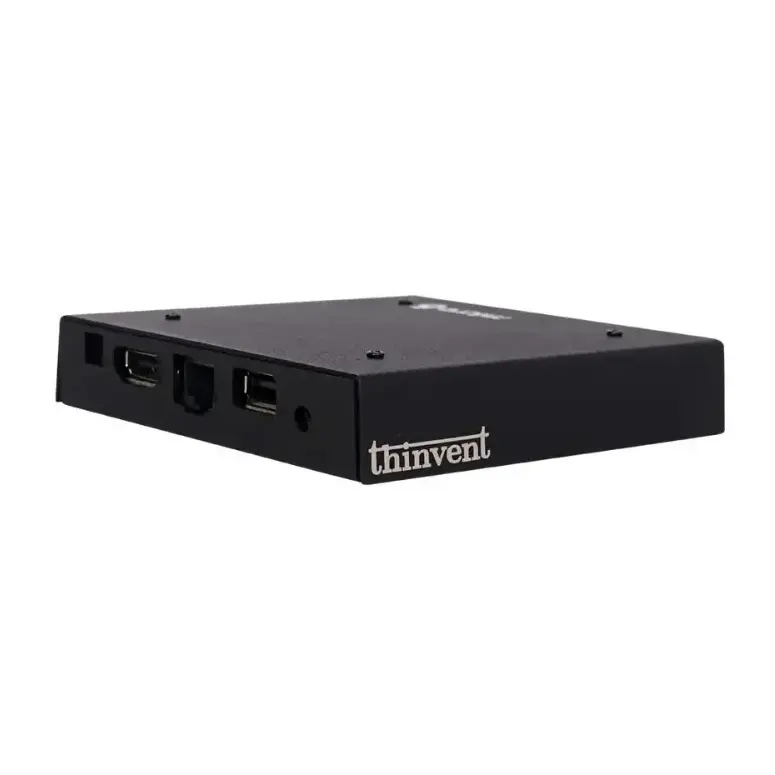
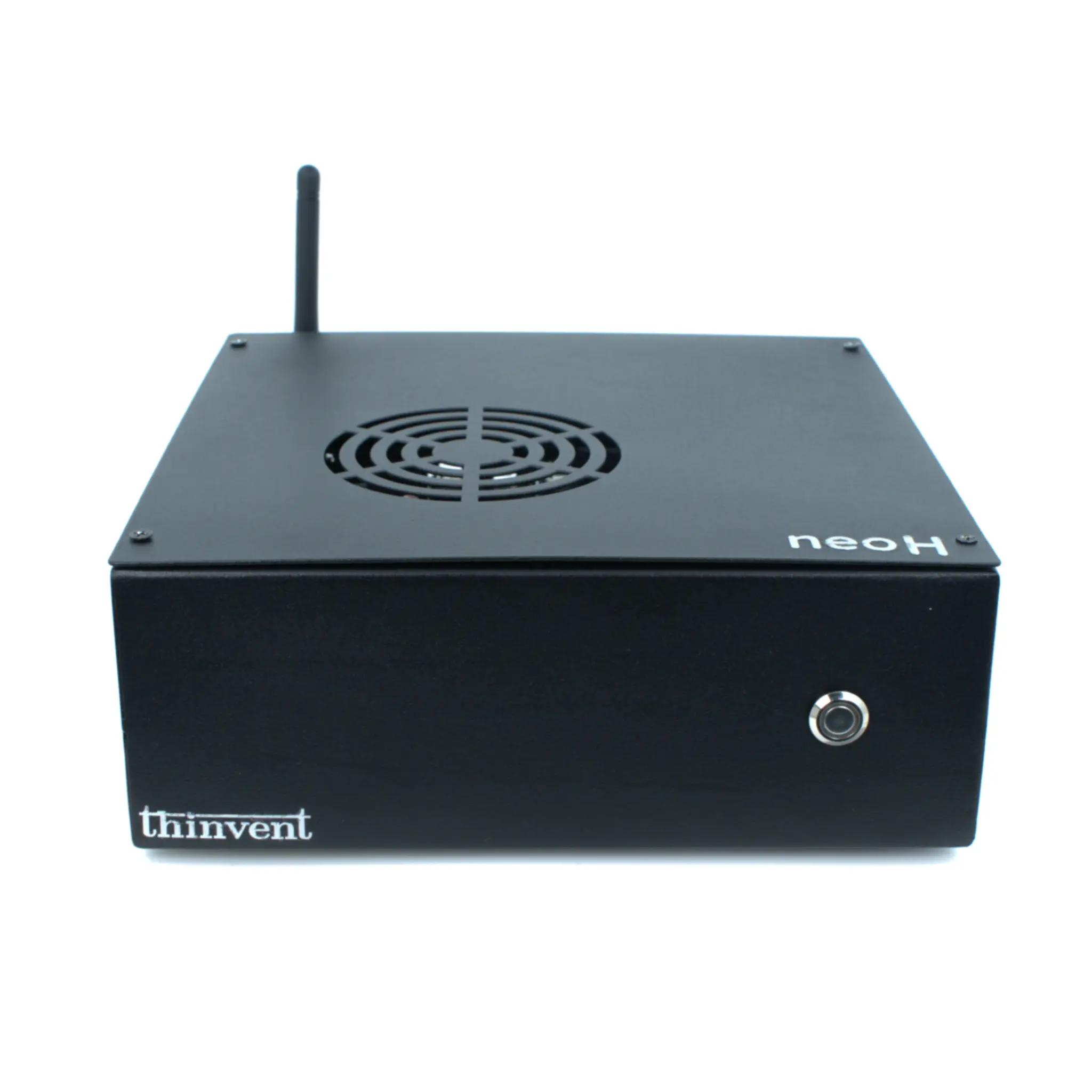
The term "Pocket PC" historically refers to a class of handheld mobile devices that run a mobile operating system and offer personal computing capabilities. In the modern context, users searching for such a device are typically looking for an ultra-compact, portable, and often fanless computer system. Today's equivalent is the Mini PC, a highly compact desktop computer that offers full PC functionality in a form factor small enough to be mounted behind a monitor or carried in a bag. These systems are designed for space-constrained environments, mobile deployments, and applications where traditional desktops are impractical.
Modern compact PCs are defined by several key specifications. They utilize efficient, low-power processors from Intel (like the N-series or Core U-series) or ARM architectures to enable fanless, silent operation. Typical configurations include 4GB to 16GB of RAM and solid-state storage (eMMC or SSD) ranging from 64GB to 512GB. Connectivity is robust, featuring multiple USB ports (including USB-C), HDMI outputs for dual displays, Gigabit Ethernet, and often built-in Wi-Fi. Their small size is complemented by versatile mounting options, including VESA mounts, allowing them to be securely attached to monitors, walls, or kiosks.
These ultra-small form factor PCs are ideal for a wide range of portable and embedded applications. Common use cases include digital signage, thin client terminals, point-of-sale (POS) systems, kiosks, lightweight office workstations, home theater PCs (HTPCs), and industrial control systems. Their low power consumption and lack of moving parts make them exceptionally reliable for 24/7 operation in environments where dust, vibration, or noise are concerns. They provide a perfect balance of performance, connectivity, and extreme portability.
Comparison of Compact PC Form Factors | Feature | Traditional Mini PC | Modern Ultra-Compact (Pocket-Sized) | Historical Pocket PC | | :--- | :--- | :--- | :--- | | Size | Slightly larger (e.g., 0.5-1L volume) | Extremely small (often < 0.2L) | Handheld/PDA-sized | | Processing | Full x86 CPUs (Intel Core, Celeron, N-series) | x86 or ARM SoCs | Mobile ARM processors | | OS | Full Windows 11, Linux | Windows IoT, Embedded Linux, Full Linux | Windows Mobile, Windows CE | | Primary Use | Desktop replacement, workstation | Embedded, digital signage, portable computing | Mobile personal information |
Thinvent's Range of Compact Computing Solutions
Thinvent specializes in manufacturing a comprehensive lineup of industrial-grade compact computers that fulfill the modern "Pocket PC" requirement for robust, portable computing. Our product families cater to different performance and application needs. The Thinvent Micro series represents our most compact, fanless designs powered by ARM processors, ideal for lightweight terminal and kiosk duties. For more general-purpose portable computing with x86 compatibility, the Thinvent Treo and Aero Mini PCs offer Intel processors like the efficient N100 or powerful Core i3/i5 series, providing excellent performance in a tiny chassis. For demanding industrial and commercial environments, the Thinvent IPC series delivers Intel Core processor performance in rugged, compact form factors suitable for control systems and edge computing. All Thinvent systems are built for reliability, feature versatile connectivity, and support a range of operating systems, offering a professional-grade portable computing solution for global businesses.