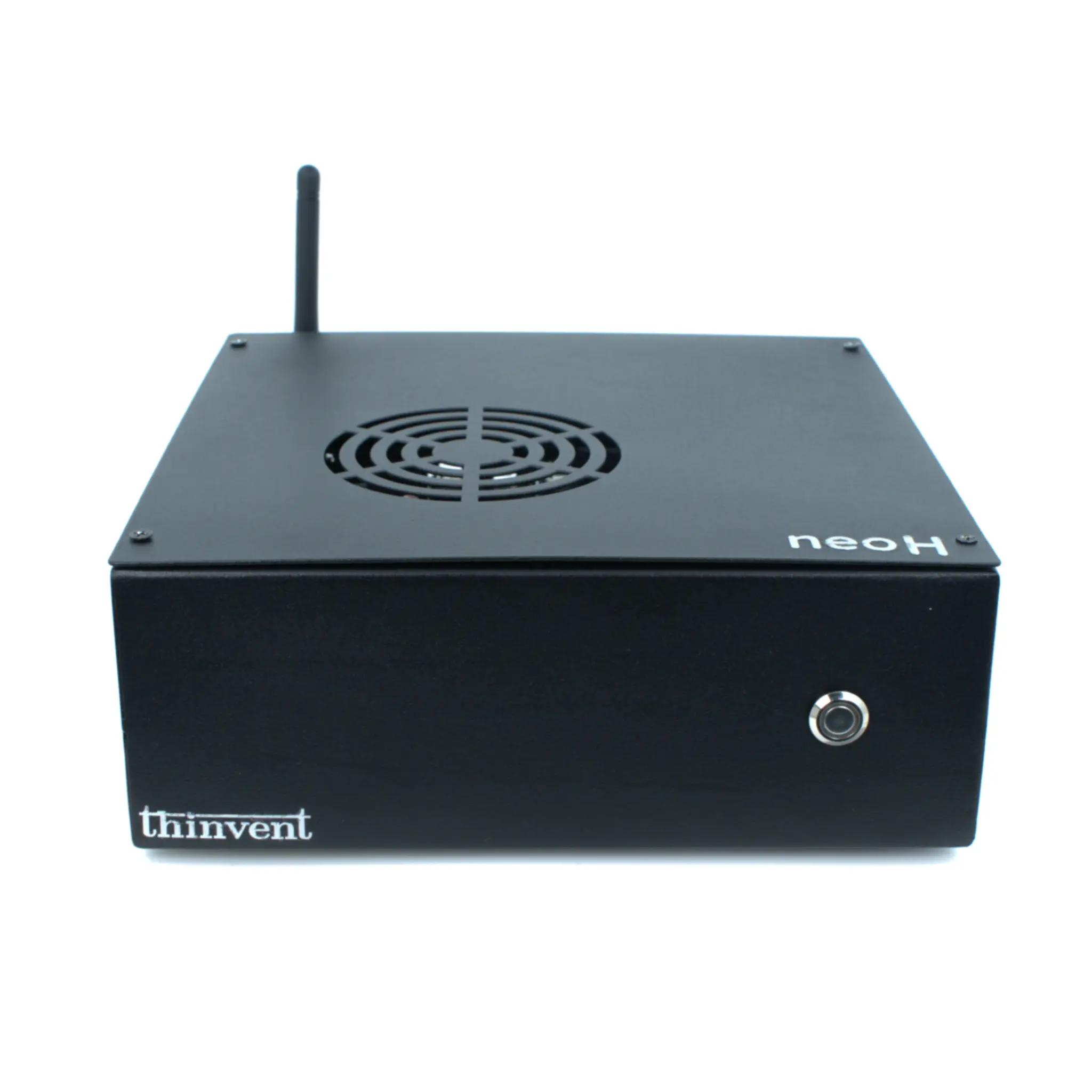
What Are Fanless Industrial Computers?
Fanless industrial computers are specialized computing systems designed to operate without internal cooling fans. Instead, they utilize passive cooling methods, such as advanced heatsinks and thermally conductive chassis, to dissipate heat. This design eliminates moving parts, which is a primary point of failure in traditional computers. These systems are engineered for reliability in demanding environments where dust, debris, vibration, or noise are significant concerns. Their silent operation and robust construction make them ideal for 24/7 applications.
Key Specifications and Technical Advantages
The core technical specification of a fanless computer is its Thermal Design Power (TDP). Processors used in these systems typically have a lower TDP, often ranging from 6W to 28W, allowing heat to be managed passively. Common processors include Intel's N-series (e.g., N100, N95), Celeron, and low-power Core i3/i5 models, as well as ARM-based chips. Key features include:
-
Rugged Construction: Often housed in all-metal, IP-rated enclosures for protection.
-
Wide Operating Temperature: Capable of functioning in extreme temperatures, from -20°C to 70°C.
-
Rich I/O: Multiple Ethernet ports (including 2.5GbE), USB, serial ports (COM), and display outputs for industrial connectivity.
-
Shock & Vibration Resistance: Built to withstand harsh physical environments.
-
Long-term Availability: Components and platforms are often available for extended product lifecycles, crucial for industrial deployments.
Primary Use Cases and Applications
The reliability of fanless systems makes them indispensable across numerous sectors:
-
Digital Signage & Kiosks: Silent operation is critical in retail, hospitality, and public spaces.
-
Factory Automation & IoT Gateways: Resistant to factory floor contaminants like dust and metal particles.
-
Transportation: Used in trains, buses, and maritime applications where vibration is constant.
-
Medical & Laboratory Equipment: Where noise and contamination must be minimized.
-
Thin Client & VDI Endpoints: For secure, centralized computing in offices and call centers.
-
Edge Computing: Deploying AI inference and data processing in remote, unmanaged locations.
Comparison: Fanless vs. Traditional Fan-Cooled Systems
| Feature | Fanless Industrial Computer | Traditional Fan-Cooled Computer |
|---|---|---|
| Cooling Method | Passive (Heatsink/Chassis) | Active (Fans) |
| Acoustic Noise | Silent (0 dB) | Audible (30-50 dB typical) |
| Dust & Debris Ingress | Highly Resistant (Sealed) | Vulnerable (Vents & Fans) |
| Mechanical Failure Points | None (No moving parts) | Fans (Primary failure point) |
| Typical Operating Temp Range | Wider (e.g., -20°C to 70°C) | Narrower (e.g., 5°C to 40°C) |
| Maintenance | Minimal to None | Requires periodic fan/vent cleaning |
| Ideal Environment | Harsh, Dirty, Silent-Sensitive | Controlled, Clean, Office Settings |
Thinvent Fanless Computing Solutions
Thinvent offers a comprehensive range of fanless industrial computers, mini PCs, and thin clients designed for mission-critical reliability. Our product lines, such as the Industrial PC (IPC) series and Treo/Aero Mini PCs, incorporate robust, fanless designs using Intel and ARM processors. These systems are pre-configured for performance and durability, supporting various operating systems including Windows 11 IoT, Ubuntu Linux, and our lightweight Thinux™ platform. Whether you need a powerful Intel Core i5-based system for edge analytics or an ultra-efficient ARM thin client for desktop virtualization, Thinvent provides scalable, silent, and dependable computing solutions for global industrial and commercial applications.