What is a Foldable or Compact Computer?
The term "складной компьютер" (foldable computer) typically refers to a highly compact, space-saving computing solution. In the industrial and commercial context, this does not mean a device with a folding screen, but rather a computer with an exceptionally small form factor designed for integration into tight spaces, kiosks, digital signage mounts, or mobile setups. These systems prioritize a minimal footprint, low power consumption, and often feature fanless, solid-state designs for silent and reliable operation in diverse environments.
Key Specifications and Technical Details
Modern compact computers, like industrial mini PCs, are engineered to deliver full computing capability in a tiny chassis. Core specifications often include efficient, low-TDP processors from Intel's N-series (like the N100), which provide ample performance for everyday tasks without generating significant heat. They are equipped with solid-state drives (SSD) for fast boot times and data access, and sufficient DDR4 RAM for smooth multitasking. A critical feature is their fanless cooling system, which uses passive heat dissipation to eliminate dust ingress and mechanical failure points, ensuring longevity in harsh conditions. Standard connectivity includes multiple USB ports, HDMI for display, and Gigabit Ethernet for network reliability.
Use Cases and Applications
The primary advantage of a compact, "foldable" form factor is its deployment flexibility. These systems are ideal for:
-
Digital Signage & Kiosks: Mounted behind displays in retail, hospitality, or transportation hubs.
-
Industrial Automation: Integrated into control panels, machinery, or production lines where space is limited.
-
Thin Client & VDI Solutions: Serving as efficient endpoints for virtual desktop infrastructure in offices and call centers.
-
Edge Computing: Processing data locally in IoT networks, from smart factories to retail analytics.
-
Mobile & Portable Setups: Used in vehicles, field operations, or temporary installations due to their small size and rugged design.
Comparison: Compact Mini PC vs. Traditional Desktop
| Feature | Compact Industrial Mini PC | Traditional Desktop Tower |
|---|---|---|
| Form Factor | Extremely small (often palm-sized), wall-mountable | Large, requires significant desk or floor space |
| Cooling | Fanless, silent, dust-resistant | Active fans, can be noisy, prone to dust accumulation |
| Power Consumption | Very low (often 10W-30W), energy-efficient | High (65W+), less efficient |
| Durability | Designed for 24/7 operation, wide temperature ranges | For general office use, standard environmental specs |
| Deployment | Flexible: VESA-mount, hidden, embedded | Fixed location, limited mounting options |
| Typical Use | Embedded systems, digital signage, industrial control | General office work, gaming, content creation |
Thinvent Compact Computing Solutions
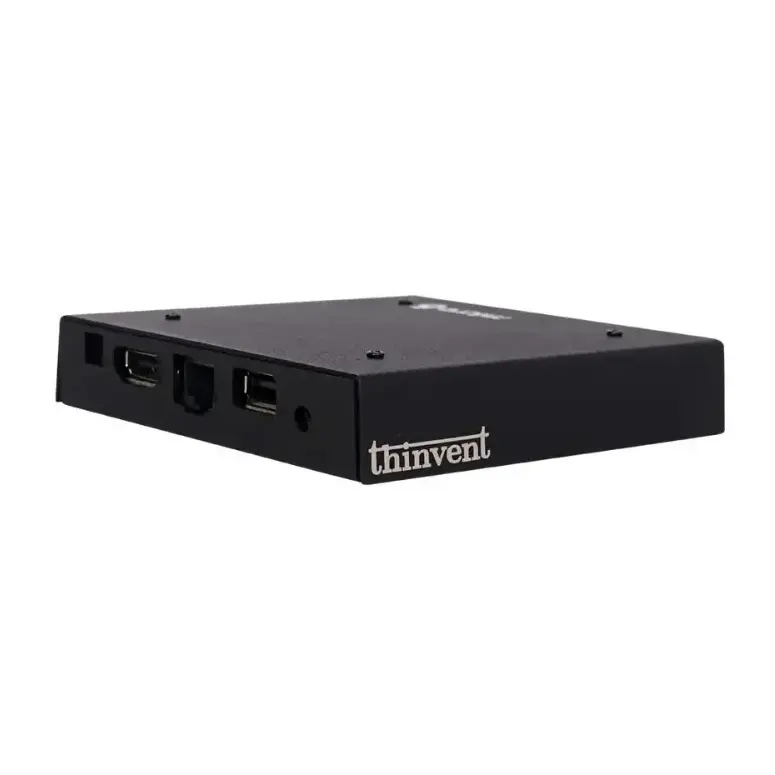
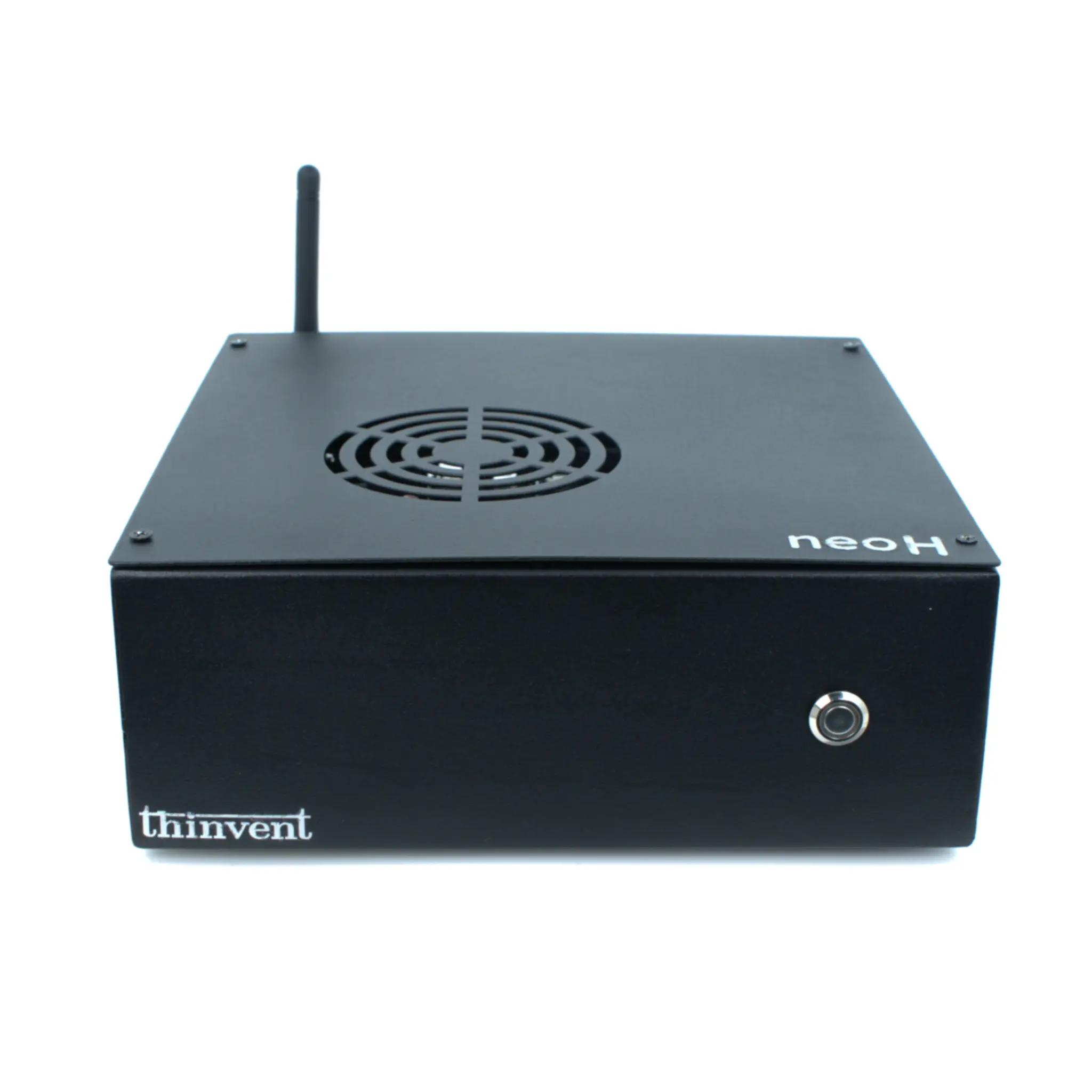
Thinvent specializes in robust, fanless mini PCs that embody the "compact computer" ideal. Our Aero Mini PC series, for example, features the Intel N100 processor in an ultra-small chassis, perfect for space-constrained applications. Built for reliability and silent operation, these systems support a range of operating systems and come with ample memory and storage options. Whether for powering a digital menu board, running a point-of-sale system, or acting as a thin client, Thinvent's compact computers provide a durable, high-performance foundation for your specialized computing needs.