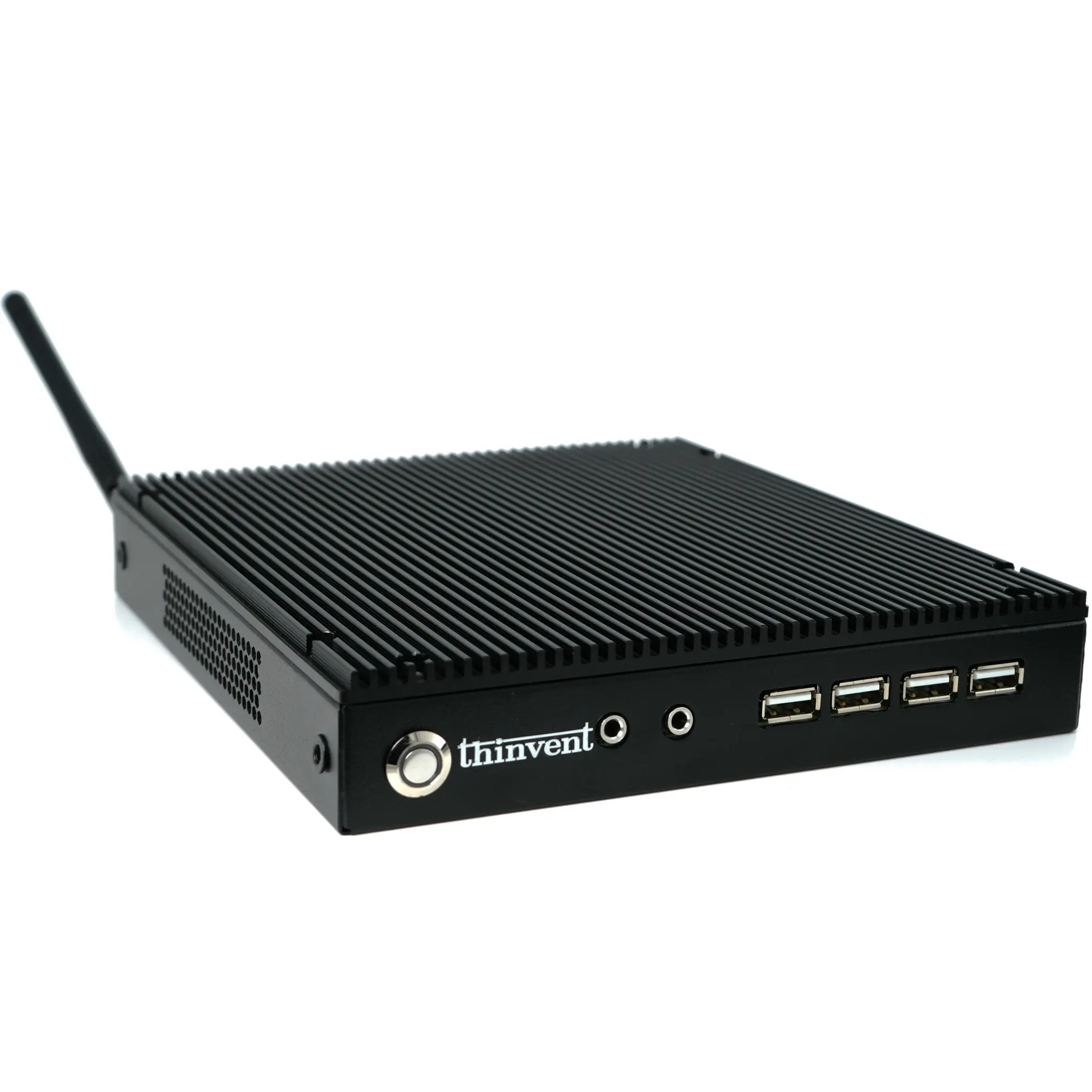
What Are Industrial Computers?
Industrial computers are specialized computing systems designed for operation in demanding environments where standard commercial PCs would fail. They are engineered for reliability, durability, and long-term performance in conditions involving extreme temperatures, dust, vibration, moisture, and continuous 24/7 operation. Unlike consumer-grade hardware, these systems prioritize stability, extended product lifecycles, and robust connectivity for industrial automation and control.
Key Specifications and Technical Details
The core of an industrial computer is its ruggedized design. Key specifications include:
-
Fanless Cooling: A critical feature that eliminates moving parts, preventing dust ingress and reducing points of failure. This allows for silent, maintenance-free operation.
-
Wide Operating Temperature Range: Certified to perform reliably in temperatures from -20°C to 60°C or beyond.
-
Shock and Vibration Resistance: Built with solid-state components and reinforced casings to withstand the rigors of factory floors or mobile installations.
-
Industrial-Grade Components: Use of long-lifecycle motherboards, industrial-grade storage (often M.2 or SATA DOM), and wide-voltage DC power inputs (e.g., 9-36V DC).
-
Rich I/O Connectivity: Multiple Ethernet ports (often with PoE capability), serial ports (RS-232/485), USB, HDMI/DisplayPort, and expansion slots for custom I/O cards.
Use Cases and Applications
Industrial computers are the backbone of modern automation and are deployed across numerous sectors:
-
Factory Automation: Machine vision, PLC/HMI systems, robotic control, and production line monitoring.
-
Digital Signage & Kiosks: Powering interactive displays in retail, transportation hubs, and public spaces, requiring 24/7 uptime.
-
Edge Computing & IoT Gateways: Collecting, processing, and transmitting data from sensors and equipment at the network edge.
-
Transportation & Logistics: In-vehicle computing for fleet management, train infotainment, and warehouse automation.
-
Medical & Healthcare: Operating diagnostic equipment and patient monitoring systems where reliability is non-negotiable.
Comparison: Industrial vs. Commercial Computers
| Feature | Industrial Computer | Commercial Desktop PC |
|---|---|---|
| Operating Temperature | -20°C to 60°C+ | 5°C to 35°C |
| Cooling Method | Fanless, passive heat dissipation | Active fans |
| Component Lifecycle | 5-10+ years (long-term availability) | 1-2 years (rapid refresh) |
| Build & Durability | Metal chassis, shock/vibration resistant | Plastic/metal case for office use |
| Power Input | Wide-range DC (9-36V), anti-surge | Standard AC 110V/220V |
| Typical Use Case | Harsh environments, 24/7 operation | Office, home, controlled environments |
Thinvent Industrial Computing Solutions
Thinvent specializes in manufacturing a comprehensive range of industrial-grade computing solutions designed for global deployment. Our product portfolio includes robust Mini PCs, space-saving Thin Clients, integrated All-in-One panels, and customizable Industrial PCs. These systems feature the latest Intel processors, fanless designs for silent operation, and support for multiple operating systems including Windows, Linux, and embedded platforms. Engineered for reliability, Thinvent computers are ideal partners for automation, digital signage, edge computing, and any application demanding unwavering performance in challenging conditions.